 ThreeMatchBan
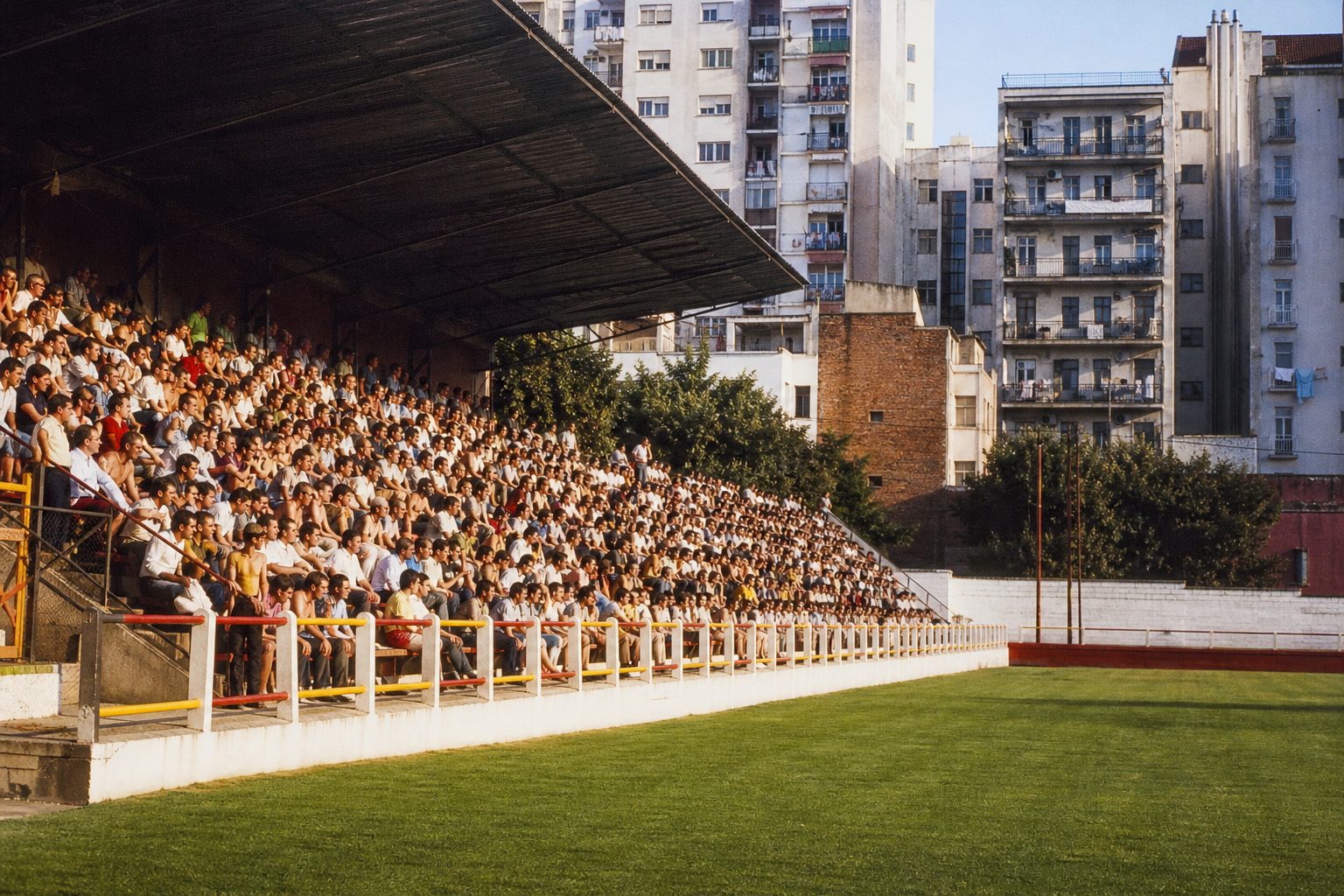
Spain's national league kicked off in February 1929 with ten clubs, and Barcelona were its first champions. Nearly a century later the Primera División, known everywhere as La Liga, is one of the most watched competitions in the world, built around the rivalry between Real Madrid and Barcelona but full of clubs with their own fierce identities: Basque, Catalan, Andalusian, Valencian, Galician.
It is also a league where three founding members have never been relegated. Real Madrid and Barcelona are the obvious two. The third is Athletic Club of Bilbao.
The two giants and El Clásico
Real Madrid have won the league more often than anyone, well over 30 times, and Barcelona sit second. Their meetings, El Clásico, carry a century of political and cultural baggage as well as football rivalry, from the Franco years to the bitter row over Alfredo Di Stéfano's signing in 1953, when both clubs claimed the Argentine and Madrid ended up with him. The modern era of the fixture reached a peak between 2009 and 2018, when Lionel Messi and Cristiano Ronaldo spent nine seasons trying to outscore each other twice a year.
Away from the duopoly, champions have been rare enough to be treasured. Real Sociedad won back-to-back titles in 1981 and 1982. Athletic Club followed in 1983 and 1984. Deportivo de La Coruña took their only league title in 2000, and Rafael Benítez's Valencia won in 2002 and 2004. Atlético Madrid did the double in 1996, then won again under Diego Simeone in 2014 and 2021, breaking the big two in the most physical, stubborn way imaginable.
Athletic Club and the Basque way
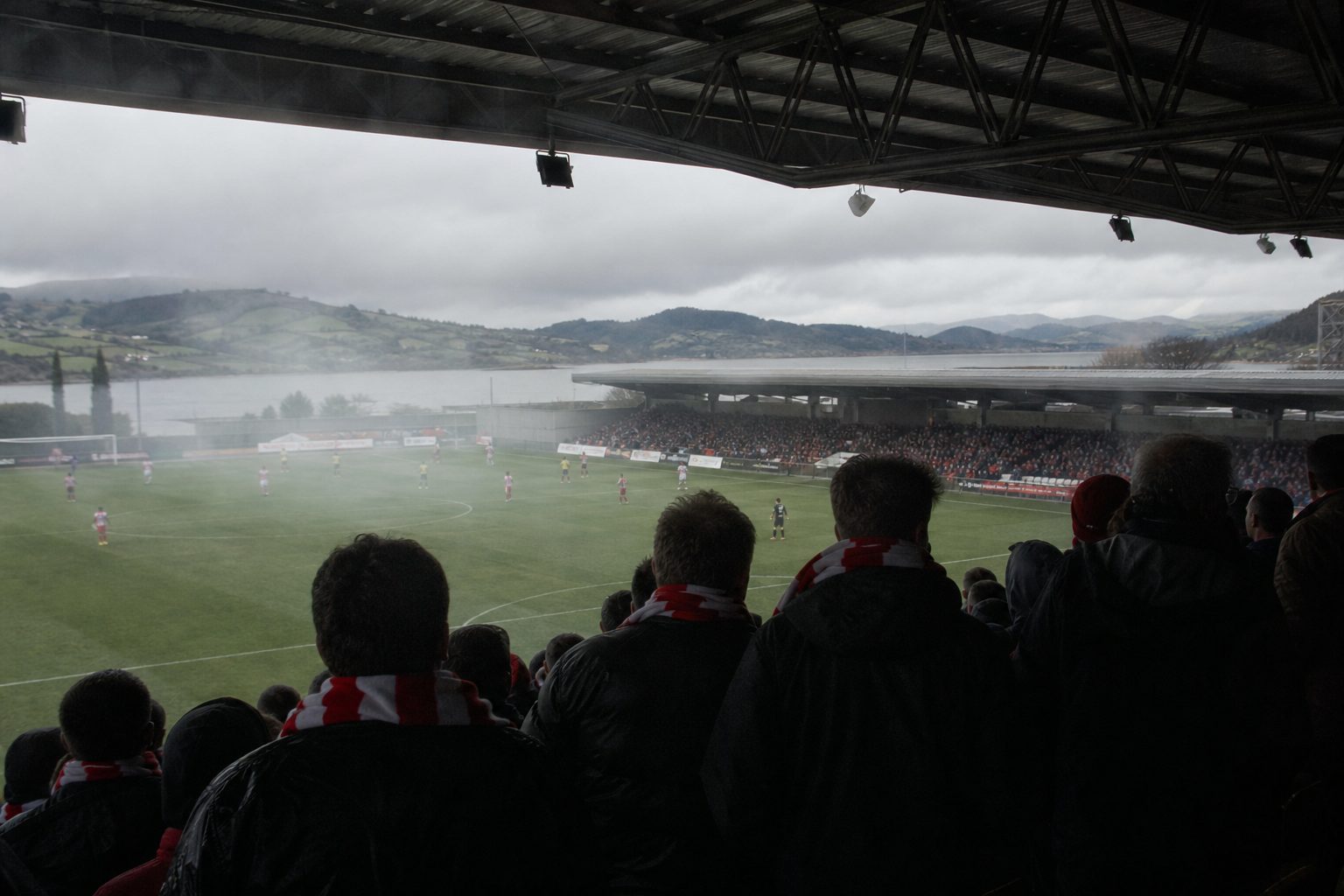
No club in Europe runs quite like Athletic. For more than a century it has fielded only players born or raised in the Basque Country, or trained at Basque clubs, and it has still never dropped out of the top division. Fernando Llorente was the striker of their most recent golden spell, leading the line under Marcelo Bielsa when Athletic reached both the Copa del Rey final and the Europa League final in 2012, losing the latter 3–0 to Atlético in Bucharest.
The San Mamés crowd is among the loudest in Spain. Rain, noise and red and white stripes: it can feel more like a British ground than anywhere else in the country.
Imports, playmakers and British coaches
La Liga has always attracted the great South American playmakers. Juan Román Riquelme took Villarreal to the Champions League semi-finals in 2006, where he missed a late penalty against Arsenal. Carlos Valderrama, with that unmistakable blond hair, had a season at Real Valladolid in the early 1990s. Michael Laudrup is one of the rare players to have starred for both Barcelona and Real Madrid, before coaching Getafe and Mallorca in Spain and later winning the League Cup with Swansea City.
British coaches have left a mark too. Terry Venables won the title with Barcelona in 1985, and John Toshack lifted the Copa del Rey with Real Sociedad and later the league with Real Madrid in 1990. David Beckham's four years in Madrid ended with a league winner's medal in 2007, on the last day of the season, after Fabio Capello had once frozen him out of the side.
More on La Liga
Riquelme, Valderrama and Laudrup all appear, drawn in ink, in the gallery of world football characters immortalised as cartoons, alongside Llorente in his Athletic days. The Catalan side of the story is covered in the Barcelona hub, from Gamper to Cruyff and the Brits at the Camp Nou. Llorente also features among the outsiders weighed up in the Euro 2012 top scorer preview, a tournament Spain went on to win by beating Italy 4–0 in Kyiv. And the Argentine tradition behind so many La Liga playmakers is explored in the piece on Argentina's embarrassment of playmaking riches, from Riquelme to Pablo Aimar.