 ThreeMatchBan
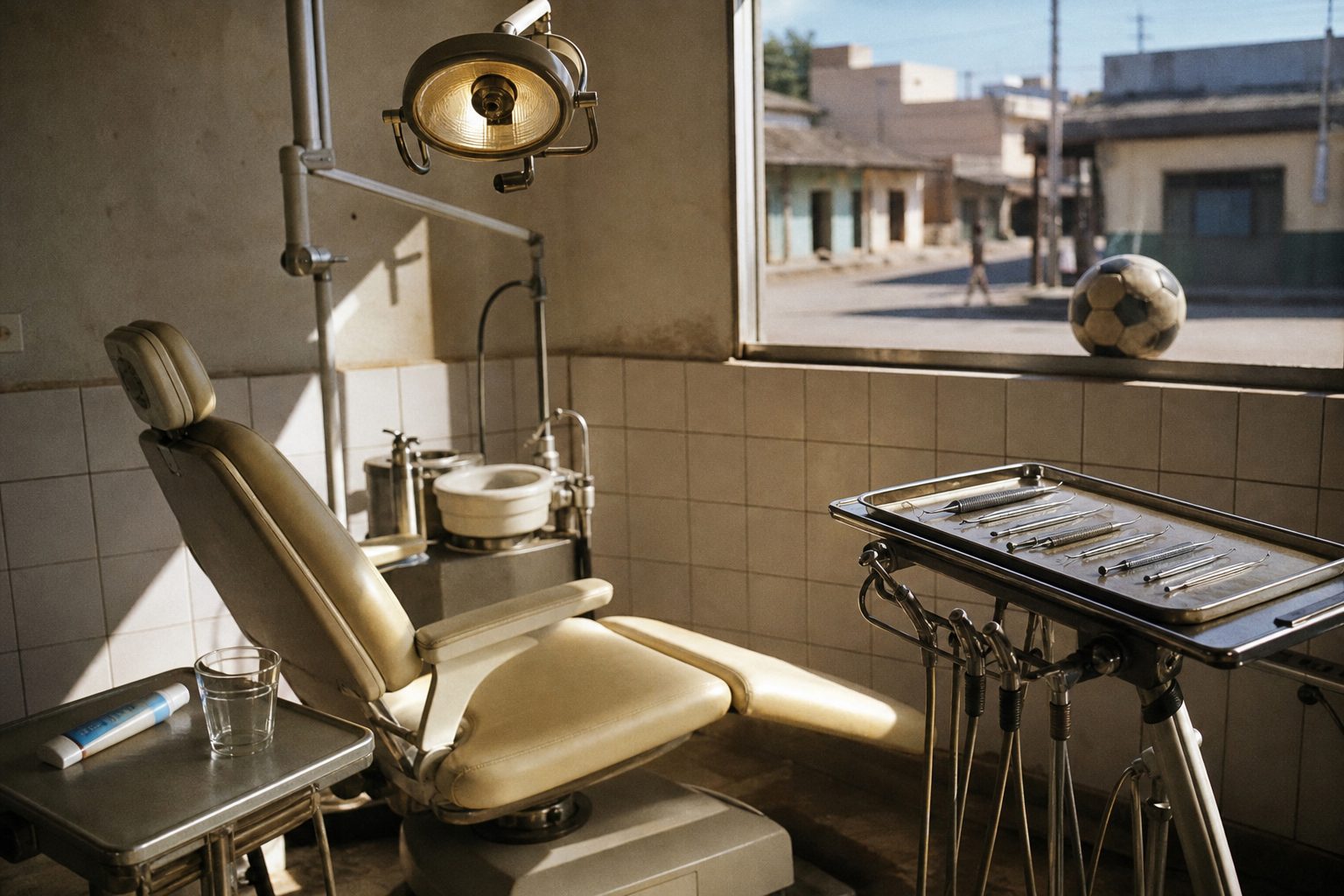
Consulte regularmente a su dentista. Visit your dentist regularly. It is good advice from anyone, but it carries extra weight when it comes from Hugo Sánchez, a man who scored goals for fun in La Liga and also held a qualification in dentistry.
The striker with a dental degree
Hugo Sánchez studied dentistry at the National Autonomous University of Mexico (UNAM) while playing for its football club, Pumas UNAM, in the 1970s. Combining the two was not easy, but he completed his studies, and the detail became one of the most quoted facts about him. Footballers advertising toothpaste is nothing new. A footballer who could genuinely talk about molars is another thing altogether.
That background makes the Colgate advert a neat piece of casting. Advertisers have always liked sportsmen with big smiles, and Sánchez, confident and theatrical on and off the pitch, had one of the biggest in the game.
Goals in Madrid
Sánchez left Mexico for Spain in 1981, joining Atlético Madrid, and in 1985 he crossed the city to Real Madrid. The move made him part of one of the great Madrid sides, playing alongside the Quinta del Buitre generation of Emilio Butragueño, Míchel and Martín Vázquez.
His record is extraordinary. He won the Pichichi trophy as La Liga’s top scorer five times, once with Atlético and four times with Real. In 1989–90 he scored 38 league goals, equalling the single-season record then held by Telmo Zarra, and famously did it with every goal a first-time finish. Real won five consecutive league titles between 1986 and 1990, and Sánchez was the spearhead for most of them.
He scored spectacular goals, especially acrobatic volleys and scissor kicks, and he celebrated them with a trademark somersault. The flip was copied in playgrounds across Spain and Mexico, and it became as famous as the goals themselves.
Mexico’s greatest goalscorer
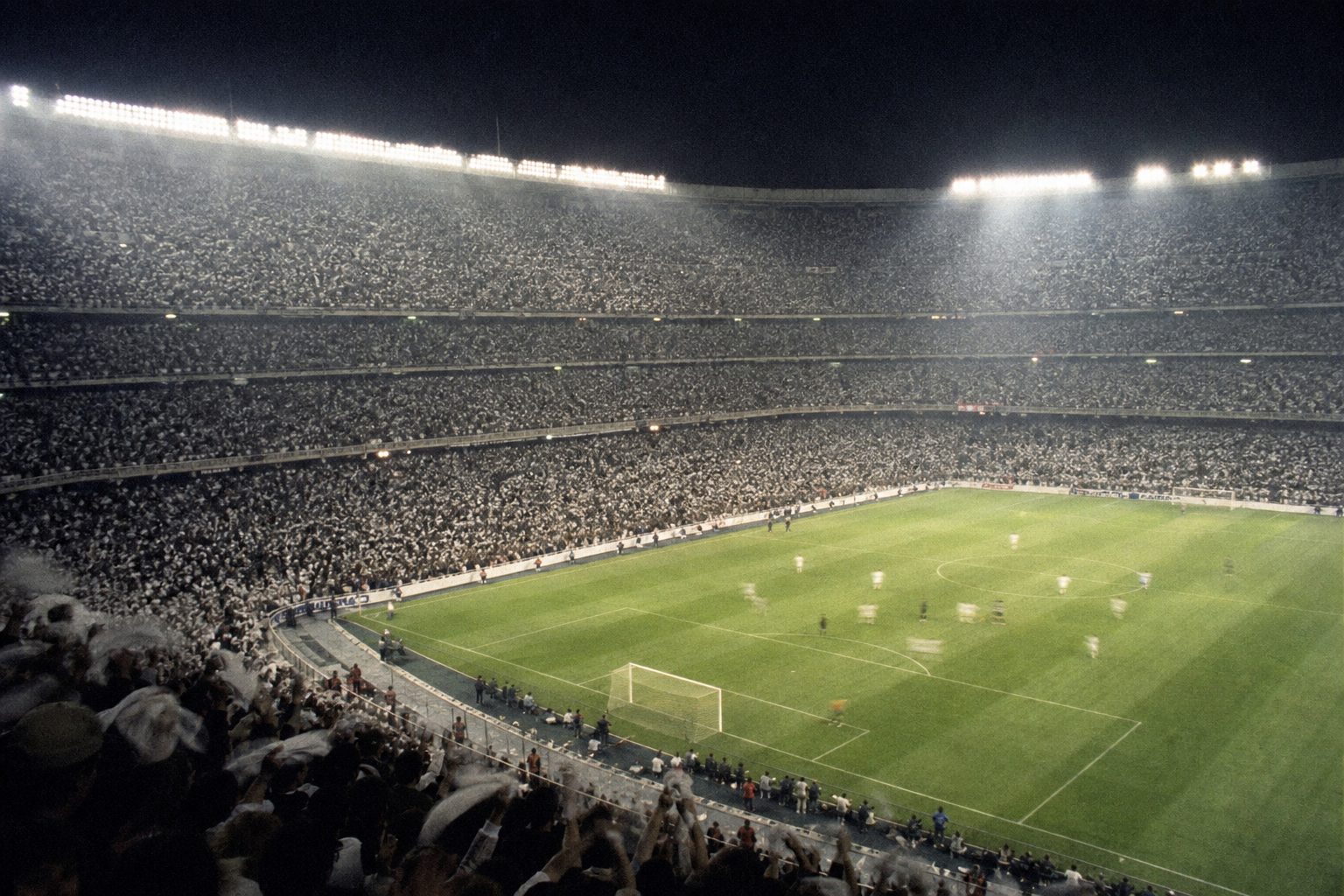
For Mexico, Sánchez was a national hero, though his relationship with the national team was not always smooth. He played at three World Cups, 1978, 1986 and 1994, and the 1986 tournament on home soil, when Mexico reached the quarter-finals before losing to West Germany on penalties, was the high point of his international career.
Later he moved into management. He won league titles with Pumas, the club where he started, and coached the Mexico national team between 2006 and 2008. More on Mexico’s place in South American football, as invited guests at the Copa América, can be found in the guide to Mexico and Costa Rica at the 2011 Copa América.
Footballers and adverts
Football and advertising have always gone together. In Britain the 1990s produced a stream of famous campaigns featuring Premier League stars, and the tradition goes back much further, as the piece on football and advertising shows, from Stanley Matthews onwards.
Spanish-language television had its own equivalents. Stars of La Liga and the Mexican game sold drinks, snacks, cars and, in Sánchez’s case, toothpaste. These adverts tend to share a certain style: earnest voiceovers, bright colours, and a footballer doing his best to act while clearly wishing he were back on the pitch.
What sets the Colgate clip apart is the authority behind it. When most footballers tell you to visit the dentist, they are reading a script. Sánchez had actually studied the subject.
His face also turns up in plenty of football sticker collections from the 1980s and 1990s; anyone who fancies testing their memory of the era’s great names should try the world football stars sticker quiz.
Hugo Sánchez’s goals for Real Madrid are still replayed today. His teeth, as far as anyone can tell, are in excellent condition.