 ThreeMatchBan
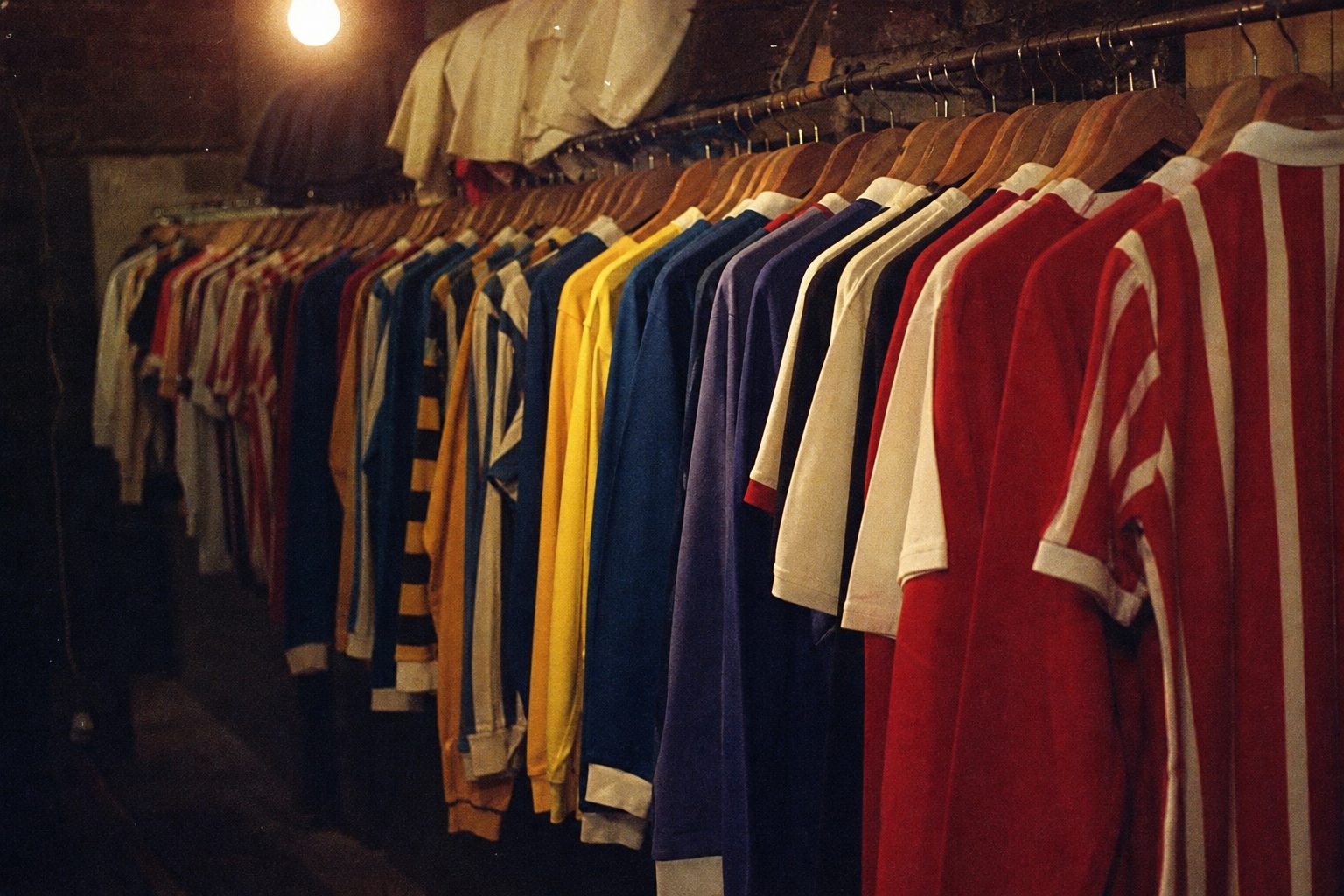
This is part two of the evolution of Premier League badges, picking up where the first half, from Arsenal to Manchester United, left off. It covers the ten clubs that completed the Premier League alphabet in the 2011/12 season, from the Newcastle badge with its seahorses to the angular wolf head of Wolverhampton Wanderers, and brings each story up to date, because the history of several of these crests has moved on sharply since 2011, not least the Newcastle United badge.
A pattern runs through almost all of them. Clubs began by borrowing the town or city coat of arms, usually for a cup final; they then designed something of their own in the 1960s and 1970s, often an animal tied to the nickname; and in recent years many have redrawn or consulted on their crests once again. A full club-by-club history of each crest is gathered under football badges.
Newcastle United: Newcastle badge history from city arms to seahorses
The first crest on the black and white stripes was the city's coat of arms, worn for the 1910 FA Cup final. Variations of the arms came back for later finals, and in 1969 the city arms became the club's official emblem.
The first true club crest arrived in 1976, combining the Castle Keep, the Tyne and a magpie. It was replaced in 1983 by the bold circular NUFC badge with a magpie, a design many supporters remember fondly from the Kevin Keegan era. Then, in 1988, came the current Newcastle United badge: a striped shield with a gold inner shield, the castle on top, a demi-lion holding a St George pennon, two seahorses from the city arms and the name on a blue banner.
That 1988 Newcastle badge has lasted longer than any of its predecessors, with a gold and silver version for the 125th anniversary season of 2017/18. In October 2026 supporters chose its successor: 27,348 people voted and Option C won with 64.8%, a refinement with a sharper castle and a redrawn shield rather than a new idea. It goes on the kits from 2027/28, and the full story of the Newcastle crest is on the Newcastle badge page. The 1983 NUFC badge lasted only five years, but it belongs to one of the most fondly remembered periods in the club's history.
Norwich City: the evolution of the canary
Unusually for the time, Norwich wore a canary sewn on to the left breast of the shirt in 1907/08, and it reappeared in 1913/14. In the 1920s the canary appeared on a shield, and after the Second World War it returned on a rounded shield in 1947.
The design most people know came from a 1971 competition run by the Eastern Evening News, and it first appeared on the shirts in 1972. The winning entry, by local architect Andrew Anderson, showed a canary perched on a football. A commemorative badge marked the centenary in 2002.
The evolution of the Norwich crest is unusually gentle. The canary has been there, in one form or another, since before the First World War.
Queens Park Rangers: from borough arms to the hoops
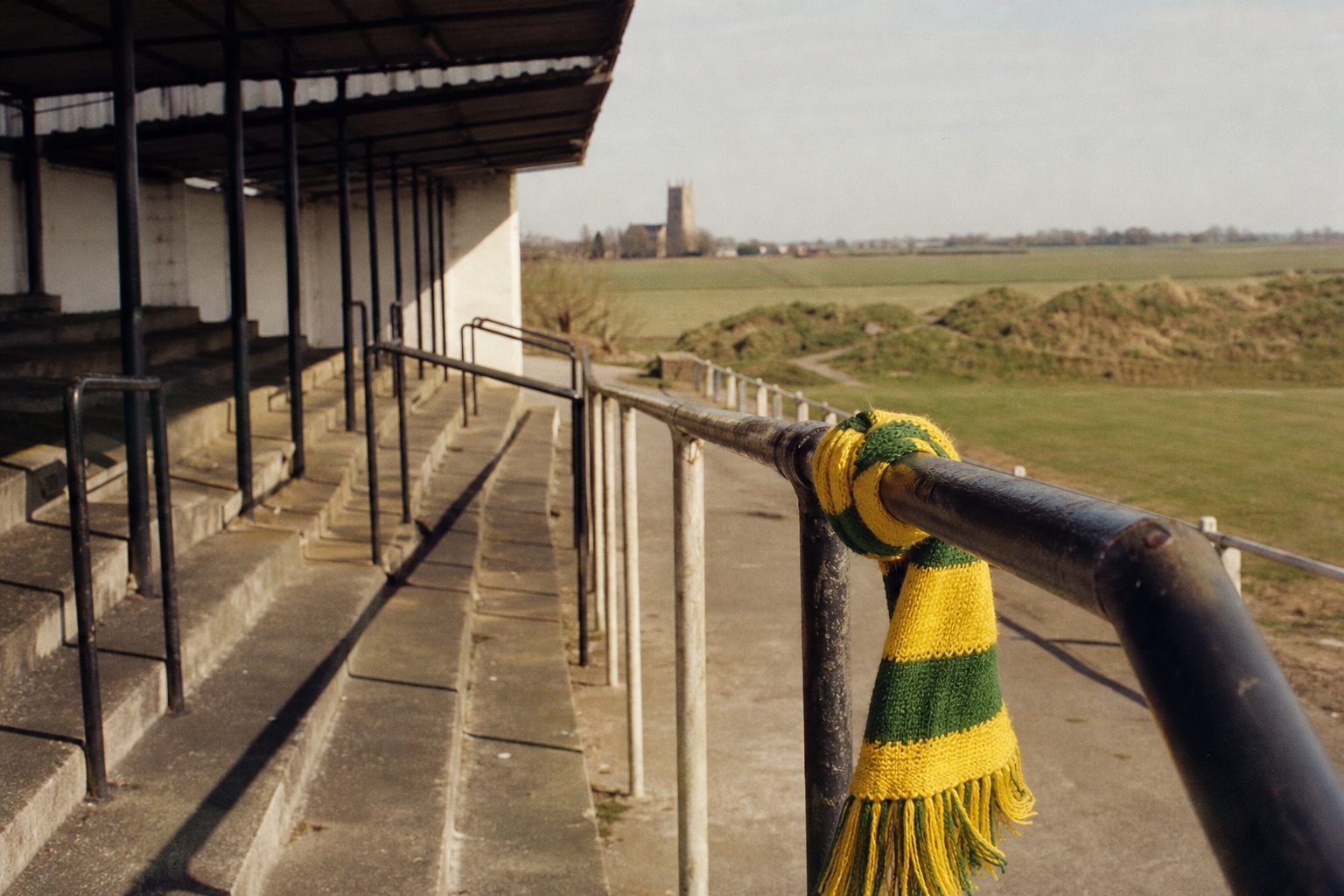
QPR introduced a club crest based on the arms of Hammersmith in 1953, worn on plain white shirts. When the blue and white hoops returned six years later, the crest was dropped.
A badge of the club's own followed in 1975, appearing in either blue or white depending on which hoop it sat on, a practical answer to a problem only a hooped club has. A new version ran from 1982 to 2008, and after the club was bought by the Formula One figures Bernie Ecclestone and Flavio Briatore, a new crest was designed in 2008.
Stoke City: kilns, knots and a crest brought back
In the 1882/83 season some Stoke players wore variations of the letter S on their shirts, which they had to provide themselves. The first official badge came in 1953, drawing on the arms of the six towns that make up the city of Stoke-on-Trent, but it was dropped four years later.
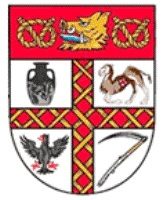
The fan favourite arrived in 1977 and lasted until 1992: red and white stripes with a Staffordshire knot and a bottle kiln, the symbol of the pottery industry that gave Stoke the nickname the Potters. A badge based on the town arms followed from 1992, and in 2001, after the move to the Britannia Stadium, a simplified shield with the stripes, "The Potters", the date 1863 and the letters S.C.F.C.
The 1863 date has always been argued over, with some historians preferring 1868. For 2026/27 Stoke went back to their roots with a new crest based on the 1977–92 design, bringing back the knot and the kiln. The Stoke badge page has the details.
Sunderland: ships, lions and the Stadium of Light
The arms of Sunderland were the club's first crest, worn for the 1913 FA Cup final. A simplified version appeared for the 1937 FA Cup final, which Sunderland won. From 1966 a simple badge of the club's initials was used on away shirts for four years.
In 1972 the club adopted a crest with a ship above the stripes and a football, which first appeared on the shirts in 1977, and its colours were adapted in 1991.
The current crest came in July 1997, when the club left Roker Park for the Stadium of Light. It is full of local references: a colliery wheel for County Durham's mining past (the stadium stands on the site of the Wearmouth Colliery), a pair of lions from the city arms, the Penshaw Monument and the Wearmouth Bridge, with the motto "Consectatio Excellentiae", in pursuit of excellence. In 2018 the club told supporters it was reviewing the badge, and within weeks chairman Stewart Donald ruled out a change. More on the Sunderland badge page.
Swansea City: the swan that flew into the Premier League
A swan became Swansea's emblem when promotion from the old Fourth Division coincided with the change of name from Swansea Town to Swansea City. It was slightly modified in 1972 and replaced by a Welsh dragon a year later.
The swan came back on a circular badge in 1975. A new crest in the mid-1980s paired a castle from the city arms with a swan with outstretched wings, two variations followed in the 1990s, and the elegant swan of 1998 was the one on the shirt when Swansea became the first Welsh club in the Premier League in 2011. Two years later they won the League Cup at Wembley.
Tottenham Hotspur: the cockerel on the ball
The Spurs cockerel goes back to 1909, when a copper cockerel standing on a ball, made by W.J. Scott, was placed on the West Stand at White Hart Lane. The bird was worn on the shirts in the 1921 FA Cup final, which Tottenham won against Wolves.
Around 1956, ahead of the club's 75th anniversary, a full club shield was introduced, with Bruce Castle, seven trees, two lions from the Percy family arms and the motto "Audere est Facere", to dare is to do. A badge with two lions, the cockerel and the ball followed in 1983, and further versions appeared in the 1990s.
In 2006 the badge was simplified to the cockerel alone, a lean bird on a ball designed by Chris Mitchell, and in November 2024 the club unveiled a "remastered" identity with a redrawn cockerel and a revived THFC monogram from the 1950s. The Tottenham badge page has the full story.
West Bromwich Albion: the throstle and the hawthorn
The throstle, a song thrush, has been tied to the club since the late 1880s, when the secretary Tom Smith is said to have suggested it. On cup final days, though, Albion wore the town's arms: a simplified version in 1931, when they beat Birmingham, and the full arms with the motto "Labor Omnia Vincit", work conquers all, in the 1935 and 1954 finals.
Over the following decades the badge moved between a bird on a hawthorn bush, initials alone, the throstle with initials and, in the 1990s, the town arms again, with the throstle kept on the shorts in a rare case of a team wearing two badges at once. In 2000 the throstle returned on a shield with blue and white stripes, and later in the decade a new version added the club name to the throstle, the hawthorn berries and the stripes. The hawthorn, of course, is for The Hawthorns.
Wigan Athletic: the tree and the crown
From 1932 Wigan wore the full town coat of arms, and they changed it when they joined the Football League in 1978. The tree and crown crest arrived around 1979: the tree is a rowan, or mountain ash, the "Wiggin tree" that makes a pun on the town's name, and the crown comes from the town arms.
In 1989 the club switched to the arms of the Metropolitan Borough of Wigan, but the popular tree and crown returned in May 2008, reworked in new colours for the 2008/09 season. It was on the shirt when Wigan won the FA Cup in 2013, beating Manchester City at Wembley.
Wolverhampton Wanderers: how the Wolves badge found its wolf
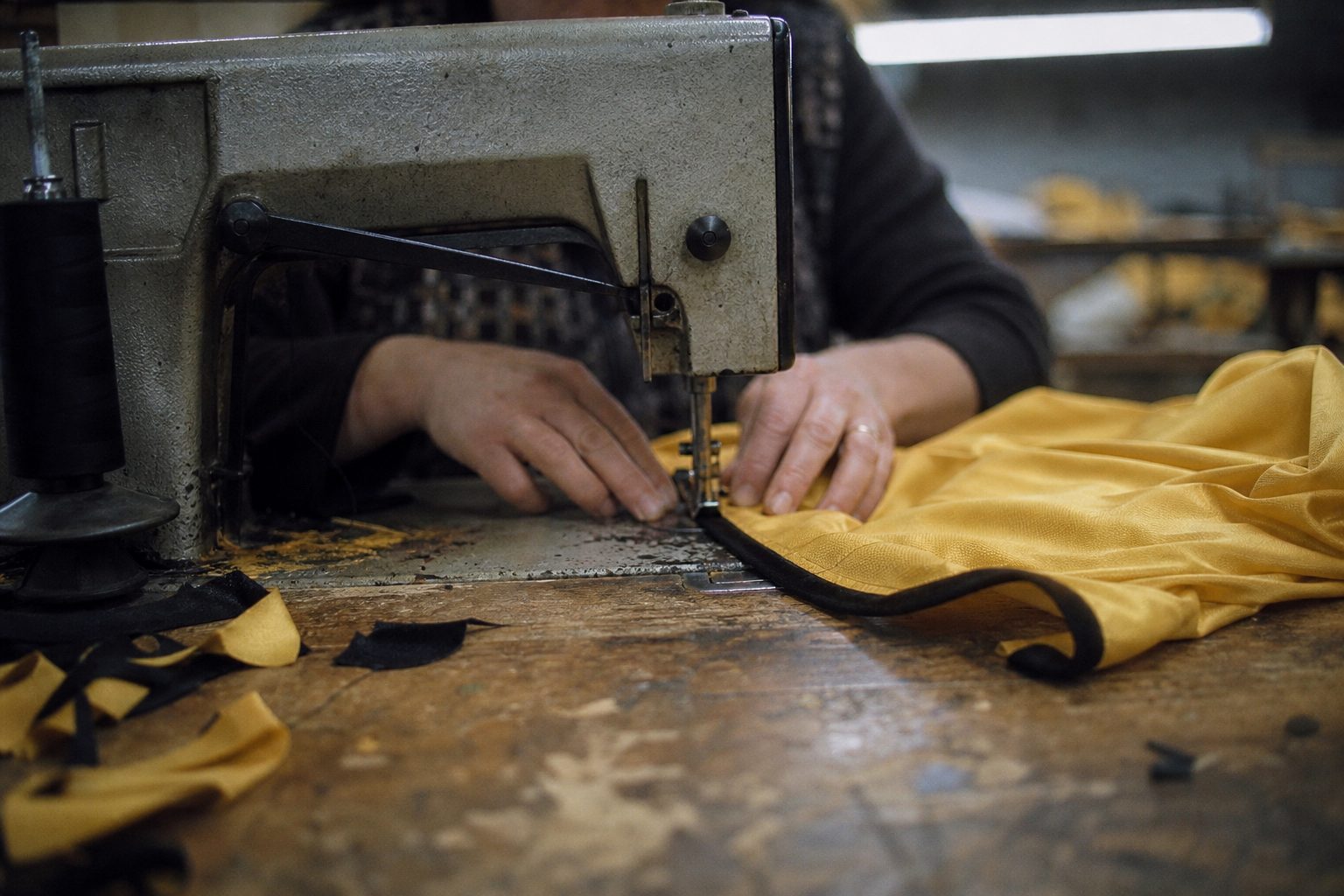
Wolves first wore a crest, the town's coat of arms, in the 1921 FA Cup final against Tottenham, and only for the first half: the players changed into clean shirts at half-time. The arms were worn again in the 1939 and 1960 finals.
In the 1970s a leaping wolf over the club's initials replaced the civic heraldry, and around the end of that decade the angular wolf head with triangular eyes arrived. After shield versions in the late 1980s and early 1990s and a new design in 1996, the wolf head became the badge Wolves fans know today, set in old gold and black.
In 2018 an identity by the agency SomeOne kept the badge but added a 3D forged-metal wolf head and custom typefaces, and in 2019 it was shortlisted for the Design Museum's Beazley Designs of the Year. More on the Wolves badge page.
Of all ten crests in this half of the alphabet, the Wolves head is the one a child could draw from memory. That is the hardest trick in badge design, and the evolution of Premier League badges suggests that the simplest crests are the ones that last.