 ThreeMatchBan
Ambition has a way of wandering when it is frustrated. Ryan Babel arrived at Liverpool from Ajax in the summer of 2007 as one of the most exciting young wingers in Europe, signed to help end a wait for the league title that stretched back to 1990. Two seasons later he was a substitute more often than a starter, Liverpool had finished second to Manchester United, and the title was still elsewhere.
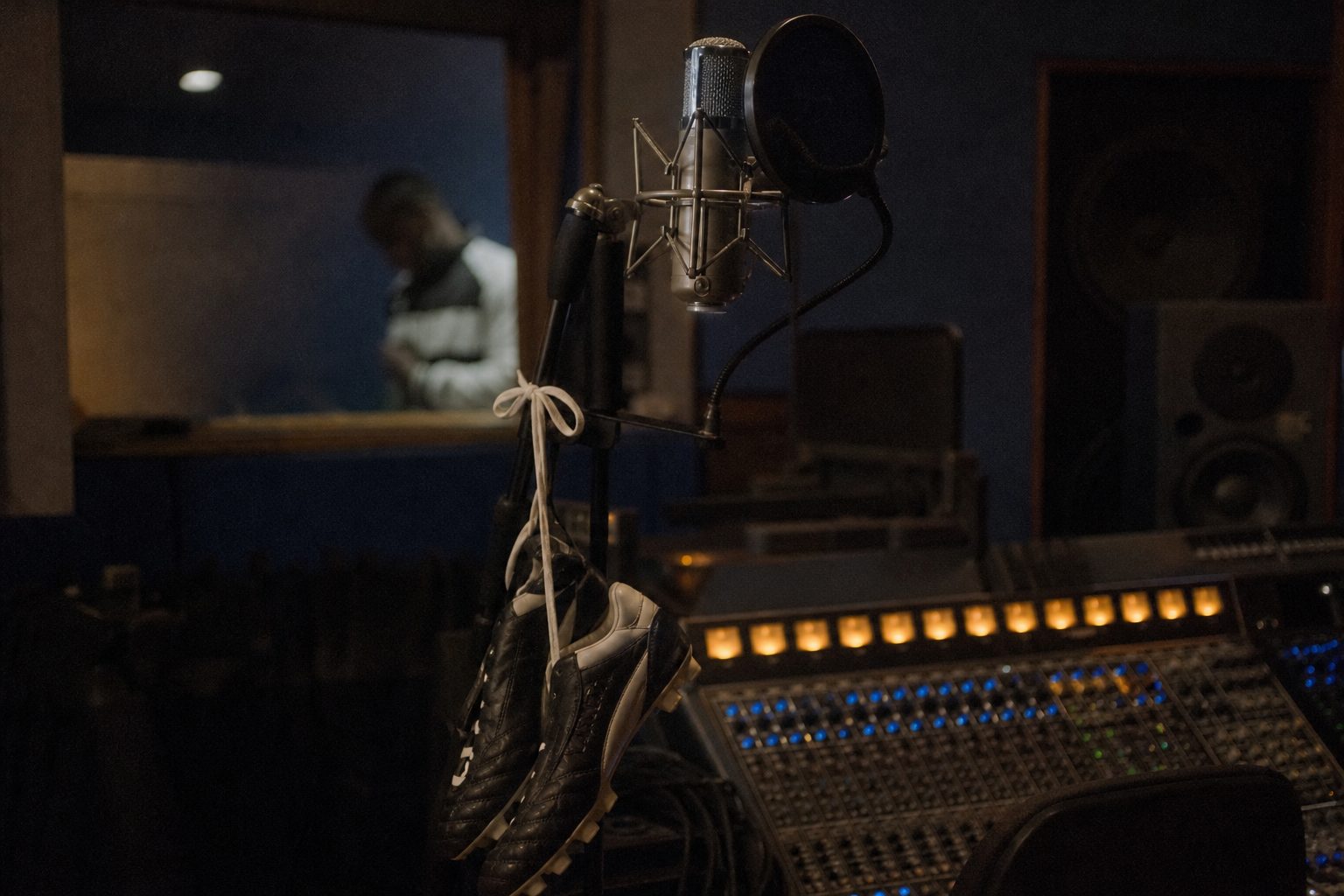
So in August 2009 Babel found another stage. He turned up as a guest on a track by the British hip-hop artist Sway, delivering his verse in Dutch.
A winger in the vocal booth
For English listeners, the language barrier made it hard to judge. The fan-made translations doing the rounds online did not help Babel's case, offering lines about keeping an eye on your daughter and buying a new watch to know what time it is. If accurate, they were not the stuff of critical acclaim. They did at least reveal a side of a player who had kept a low profile at Anfield: a self-styled ladies' man who could not hold down a starting place but was apparently never late for training.
Sway, then promoting a new album, was enthusiastic. In an interview with the BBC he had spoken of feeling like an outsider in the British music industry, so recruiting a Premier League footballer was a curious choice for an artist chasing mainstream success. He was clearly impressed with what he heard.
"The way he flips his flow is marvellous man, so I wanted him to do a bit – half Dutch, half British, and he really pulled it off man. I think it's a track that people are gonna like."
Babel was not short of motivation to spend time in the studio. The new season had opened with a 2–1 defeat at Tottenham, and his place in Rafael Benítez's plans looked no more secure than before.
The John Barnes standard
Any footballer who picks up a microphone is measured against one benchmark. John Barnes recorded "The Anfield Rap" with his Liverpool team-mates in 1988 and then, two years later, delivered the rap on New Order's "World in Motion", England's official song for Italia 90 and the rare football record that people still play for pleasure. It reached number one. It also set an impossibly high bar, because Barnes had a decent sense of rhythm and an excellent song to work with.
Most of those who followed managed neither. Footballers have sung, rapped, advertised and occasionally crooned since the 1970s (the advertising side of that story is just as strange), from Kevin Keegan's "Head Over Heels in Love" to Glenn Hoddle and Chris Waddle's "Diamond Lights", which earned them an infamous appearance on Top of the Pops. Andy Cole released a single. So did Paul Gascoigne, with Lindisfarne. The results ranged from charming to excruciating.
The reaction to Babel was similarly divided. The football blogger Paul(No1Fan) summed up one camp neatly: bring back John Barnes. In the view of Paul(No1Fan), footballers who think they can rap, DJ or sing are fooling themselves, and few supporters on Merseyside would have argued with him that summer.
What happened to Babel next
The studio did not replace the pitch, though Babel's off-field profile kept growing. He never became the regular starter Liverpool had hoped for. In January 2011 he was fined by the FA after posting a doctored image of referee Howard Webb in a Manchester United shirt on Twitter, one of the first high-profile cases of a footballer being punished for a social media post (the wider effect of Twitter on players and fans was only just becoming clear), and later that month he left for Hoffenheim in Germany.
His career then took him to Ajax again, to Turkey with Beşiktaş and Galatasaray, and to spells in Spain, the United Arab Emirates and England with Fulham. He kept playing for the Netherlands for years after leaving Anfield. Liverpool, meanwhile, had to wait until 2019–20 to win the league, three decades after the last title, and long after Babel's verse had faded from memory.
The comparison he invited, with Appa, a Dutch rapper of the time, was perhaps generous. The one with Barnes was always going to be cruel. As football records go, though, a guest verse on a respected MC's track is far from the worst offence, and a long way from "Diamond Lights".