 ThreeMatchBan

For most of the Premier League era, the distance between top footballers and the people who watched them only seemed to grow. Wages soared, training grounds were sealed behind security gates, and players spoke to the public mainly through carefully managed club media and the occasional bland post-match interview. Supporters could pay a fortune for a season ticket and never hear a player say anything unscripted.
Then, around the turn of the 2010s, footballers discovered Twitter.
A direct line to the dressing room
Suddenly fans could read what their heroes were thinking in real time, and even get a reply. Players shared photographs from the team bus, joked with team-mates, posted about their music and their meals, and answered questions from supporters around the world. Rio Ferdinand was among the most prominent early adopters, building a vast following with a mixture of humour and opinion that made him one of the most-followed sportsmen in Britain.
For players who had been portrayed as remote and pampered, it was a chance to show a different side. Many supporters liked what they saw. The footballers seemed funnier, more ordinary and more human than the media coverage had suggested. For a while the wall between the Premier League and the terraces looked a little lower.
It also gave a voice to players who had always struggled to be heard. Lower-league professionals, foreign players unknown to most British fans and outspoken characters found an audience that newspapers had never offered. Some, such as Joey Barton, used it to discuss philosophy, music and politics, to the surprise of those who knew him only through his disciplinary record, as discussed in a defence of the Newcastle midfielder.
The fines and the gaffes
The freedom came with risks, and clubs and governing bodies soon caught up. In 2009 Darren Bent publicly pleaded with Tottenham’s chairman to complete his transfer to Sunderland in a profanity-laced post, and was fined. In January 2011 Liverpool’s Ryan Babel posted a doctored image of referee Howard Webb in a Manchester United shirt after a defeat at Old Trafford and was fined by the FA, a moment covered in the Babel story.
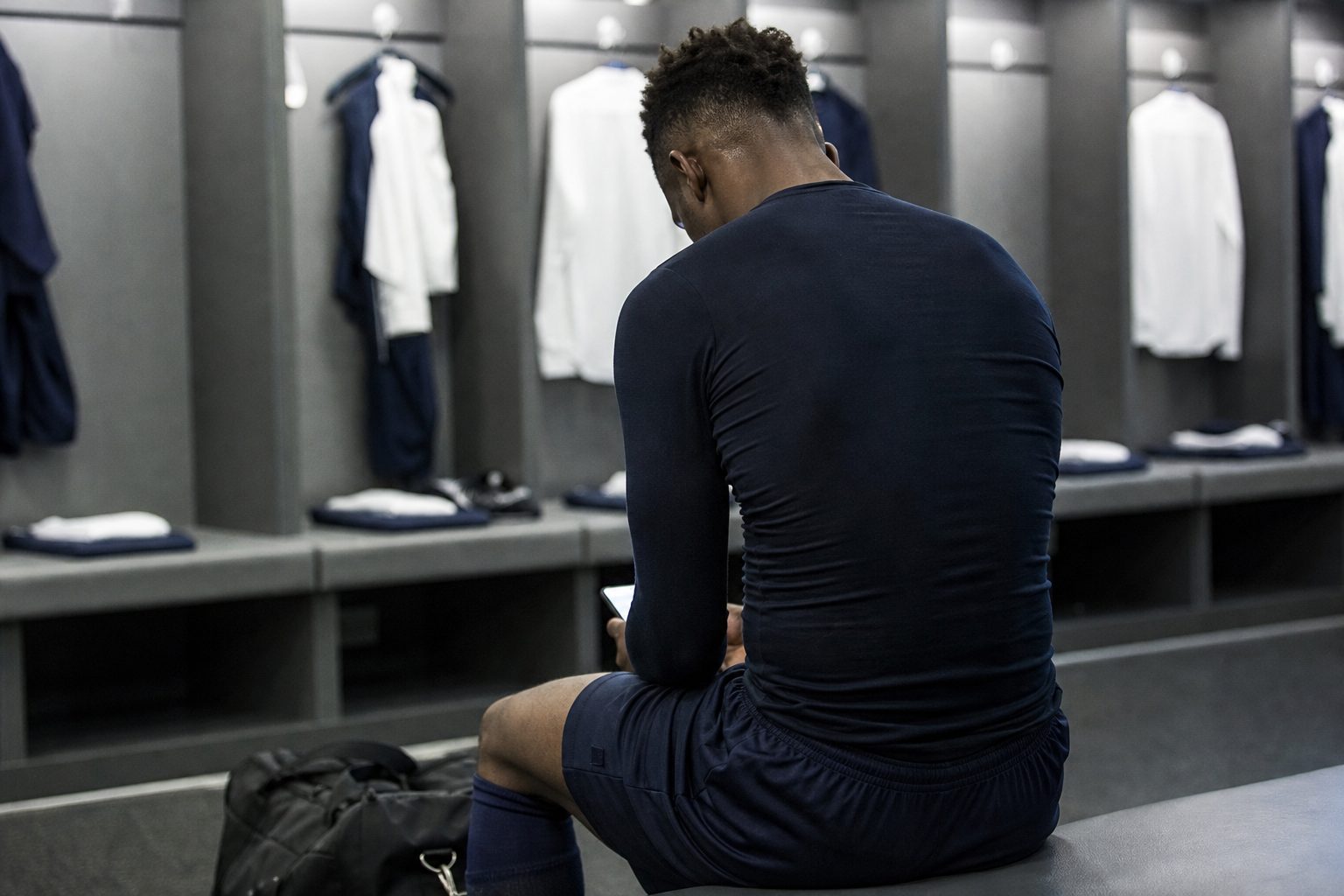
Clubs introduced social media policies, some players were asked to submit posts for approval, and media departments began monitoring accounts closely. The early spontaneity started to fade. Accounts grew more cautious and more commercial, with sponsored posts appearing alongside training-ground selfies.
The darker side
Direct access also meant direct abuse. Players who made a mistake on the pitch could receive thousands of hostile messages within minutes of the final whistle, and racist abuse aimed at black players became a persistent and serious problem. In April 2021 English football staged a weekend-long boycott of social media in protest at the platforms’ failure to tackle it, with clubs, players, broadcasters and governing bodies all taking part.
Twitter itself changed too. It was bought by Elon Musk in 2022 and renamed X in 2023, and many players and clubs have since shifted their attention to other platforms, particularly Instagram, where the content is more polished and the conversation more controlled.
Closer, but not quite close
Looking back, the early Twitter years were a brief window when supporters could glimpse the unfiltered personalities of Premier League footballers. Some of what they saw was funny, some was foolish, and some was genuinely moving. It reminded fans that players are young people in an unusual job, not just names on the back of shirts.
That window has largely closed. Players remain more visible than ever, but what fans see is usually curated by agents and media teams. The spontaneous reply to a supporter’s question is rarer now, and the contact between fan and player has become another branch of the marketing department.
The impulse behind it, though, has not gone away. Supporters still want to feel connected to the people who represent their club, and many still spend hours sharing their love of football online for free. The early tweeting footballers simply showed, for a couple of seasons, how close that connection could get.