 ThreeMatchBan
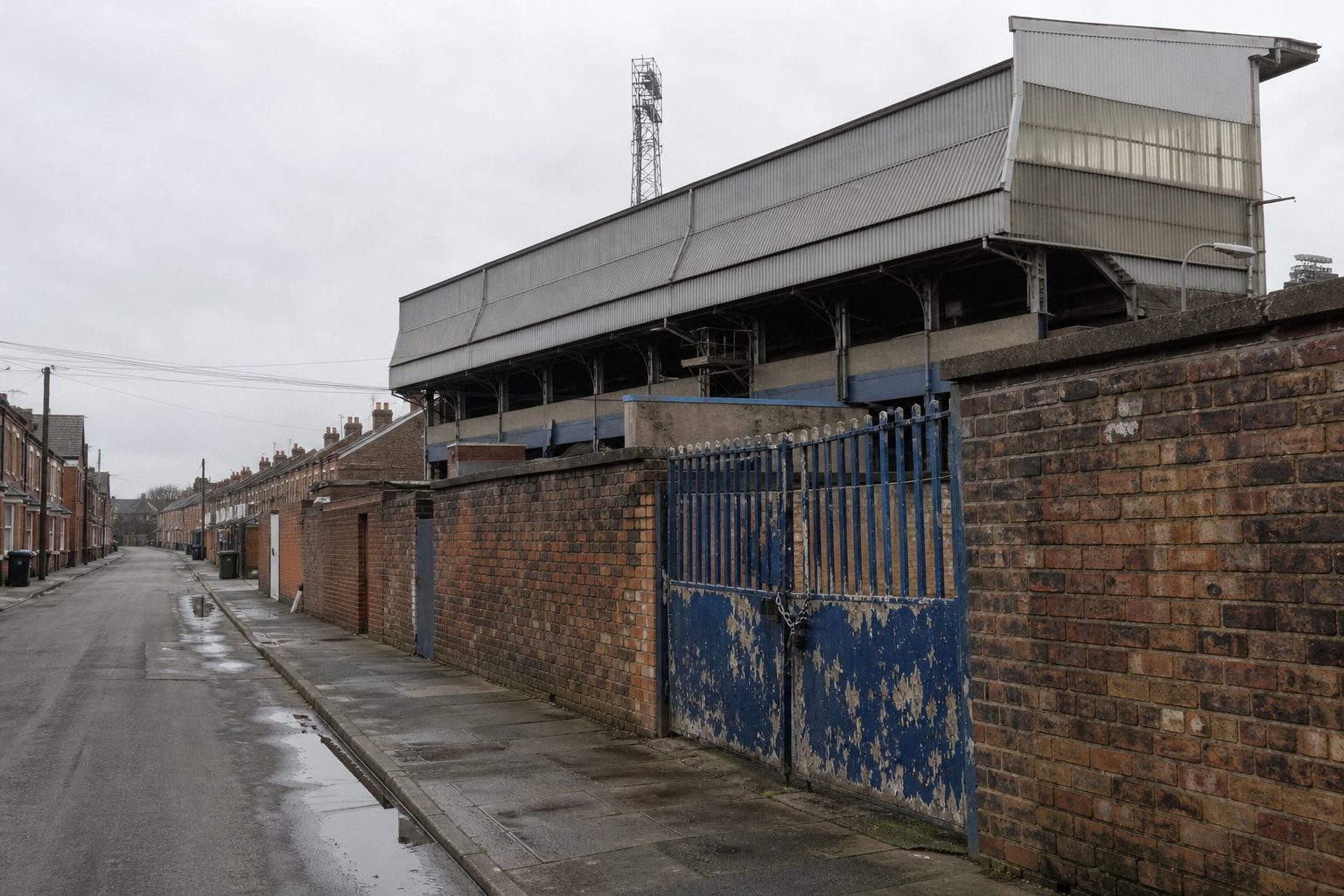
When the announcement came on 26 February 2010, few people were surprised. Portsmouth had gone into administration, and they did so carrying debts that made comparisons with Greece, then the most famous debtor in Europe, feel only half a joke.
Pompey had become the first club in Premier League history to hit the financial rocks in this way. Under league rules that meant an automatic nine-point deduction. For a side already rooted to the bottom of the table, it settled the question of relegation to the Championship.
How a cup-winning club ran out of money
The fall was dizzying. In May 2008 Portsmouth won the FA Cup, beating Cardiff City 1–0 at Wembley through Kanu's goal, with Harry Redknapp as manager and a squad stacked with international players. To get there, the club had spent heavily on wages and transfer fees, much of it apparently on credit.
When the money ran out, the club changed hands at bewildering speed. During the 2009–10 season alone Portsmouth had four different owners, while players' wages were paid late and the club was hit with a transfer embargo. Every new owner promised stability. None delivered it.
A parachute payment from the Premier League, reported at around £11m, would soften the blow of relegation. It came nowhere near the club's debt, which was reported at roughly £60m.

The chief executive in the firing line
Peter Storrie was the man in charge of the day-to-day running of the club as chief executive, and he became the public face of the collapse. Having apparently financed so much of the spending on what amounted to a credit card, there was little he could do on the day except take the criticism.
Supporters were in no mood to be patient. The BBC reported that an angry fan confronted Storrie on the Friday morning, a moment of raw frustration that summed up how many people at Fratton Park felt. Whatever the rights and wrongs of who was ultimately accountable, the supporter who stood up to the club's leadership had every reason to hold his head high. The people who had paid for season tickets and travelled to away games were the ones left with nothing to show for it.
Only time would tell who was truly to blame for the mess. One conclusion was obvious at once, though: nobody from that boardroom should have been trusted to organise a celebration in a brewery.
A remarkable end to the season
There was a twist. While the club fought for survival in the courts and the accounts, the players produced one of the strangest cup runs in modern memory. Portsmouth, relegated and in administration, reached the 2010 FA Cup final, losing 1–0 to Chelsea at Wembley after Didier Drogba's free kick. Kevin-Prince Boateng missed a penalty for Pompey that might have changed the afternoon.
It was a reminder that the football and the finances had become two completely different stories. On the pitch, Avram Grant's side kept their dignity. Off it, the debts kept growing.
What followed for Pompey
The story did not end with one administration. Portsmouth entered administration again in 2012 and dropped through the divisions to League Two. In 2013 the Pompey Supporters' Trust took control of the club, making Portsmouth the largest fan-owned club in English football at the time, and the slow rebuild began from the bottom.
Supporters did what the boardroom could not. The club won League Two in 2017, and after several seasons of play-off near-misses in League One they won that division in 2024, returning to the Championship. Questions about whether clubs that overspend should be punished harder, or protected, are explored in the debate over parachute payments for relegated clubs and in Dundee's punishment for entering administration.
The human cost of a failing club looks very different lower down the pyramid, where a single bad season can end everything, as the chairman's view of Hendon FC makes clear. Portsmouth's crisis also cost them players: weeks earlier their promising reserve goalkeeper Asmir Begovic had been sold to Stoke, one of the quieter deals of a disappointing January transfer window.
For Pompey supporters, February 2010 is still the date it all came apart.