 ThreeMatchBan
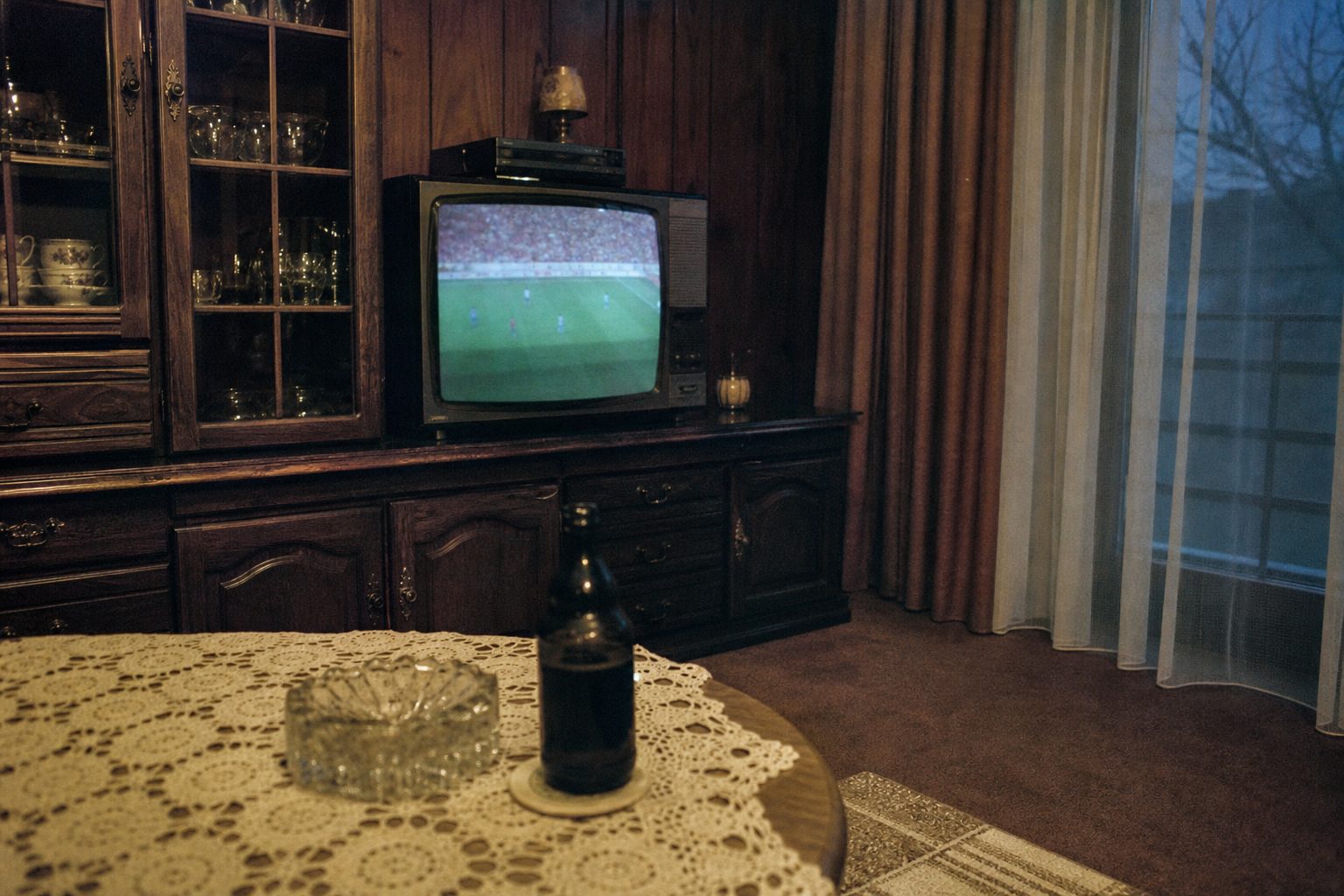
A review of the Bundesliga season on German commercial television does not require much German. School vocabulary about pencil cases and railway stations will get you nowhere, but no linguistic skills are needed to enjoy the goals, the killer soundtrack, the curious animation and the evident fondness of Werder Bremen supporters for flat caps.
RTL and the Bundesliga
For decades Bundesliga highlights in West Germany belonged to the public broadcasters ARD and ZDF, above all to the long-running Sportschau. In the late 1980s that changed. The private channel RTL plus, as it was then branded, bought the highlights rights, and for a few seasons at the start of the 1990s it was the home of Bundesliga football on television. In 1992 the rights moved to SAT.1.
The RTL era had a distinctive style. Commercial television in Germany was brash and new, and its football coverage leaned into music, graphics and presentation in a way the public channels had not. An end-of-season review from that period is as much a document of early-1990s television as it is of the football.
The season after Italia 90
The 1990–91 Bundesliga began weeks after West Germany had won the World Cup in Rome, beating Argentina 1–0 in the final with an Andreas Brehme penalty. Franz Beckenbauer’s team were world champions for the third time, and German football was riding high.
It was also the last season of an exclusively West German league. Reunification took place in October 1990, and from 1991–92 clubs from the former East German Oberliga, Hansa Rostock and Dynamo Dresden, joined the Bundesliga. The 1990–91 review captures the old league on the brink of that change.
Kaiserslautern’s title
The champions were 1. FC Kaiserslautern, and it was one of the more surprising titles in Bundesliga history. A year earlier the club from the Palatinate had been fighting relegation, though they had also won the DFB-Pokal in 1990, beating Werder Bremen in the final. Under coach Karl-Heinz Feldkamp, with Stefan Kuntz leading the attack, they carried that momentum into a title-winning campaign and finished ahead of Bayern Munich.
The Betzenberg, Kaiserslautern’s ground on a hill above the town, was one of the most intimidating places to play in Germany, and that season the home crowd had plenty to sing about. For a club of Kaiserslautern’s size, beating Bayern to the title was a remarkable achievement, and it remains one of the best-loved seasons in the club’s history.
Werder Bremen and the flat caps
Werder Bremen had their own reasons to celebrate in 1991. Otto Rehhagel’s side, beaten by Kaiserslautern in the 1990 cup final, came back to win the DFB-Pokal in 1991, beating 1. FC Köln on penalties in Berlin. Rehhagel was in the middle of a long and successful spell at the Weserstadion, during which Werder won two league titles, cups and the 1992 European Cup Winners’ Cup.
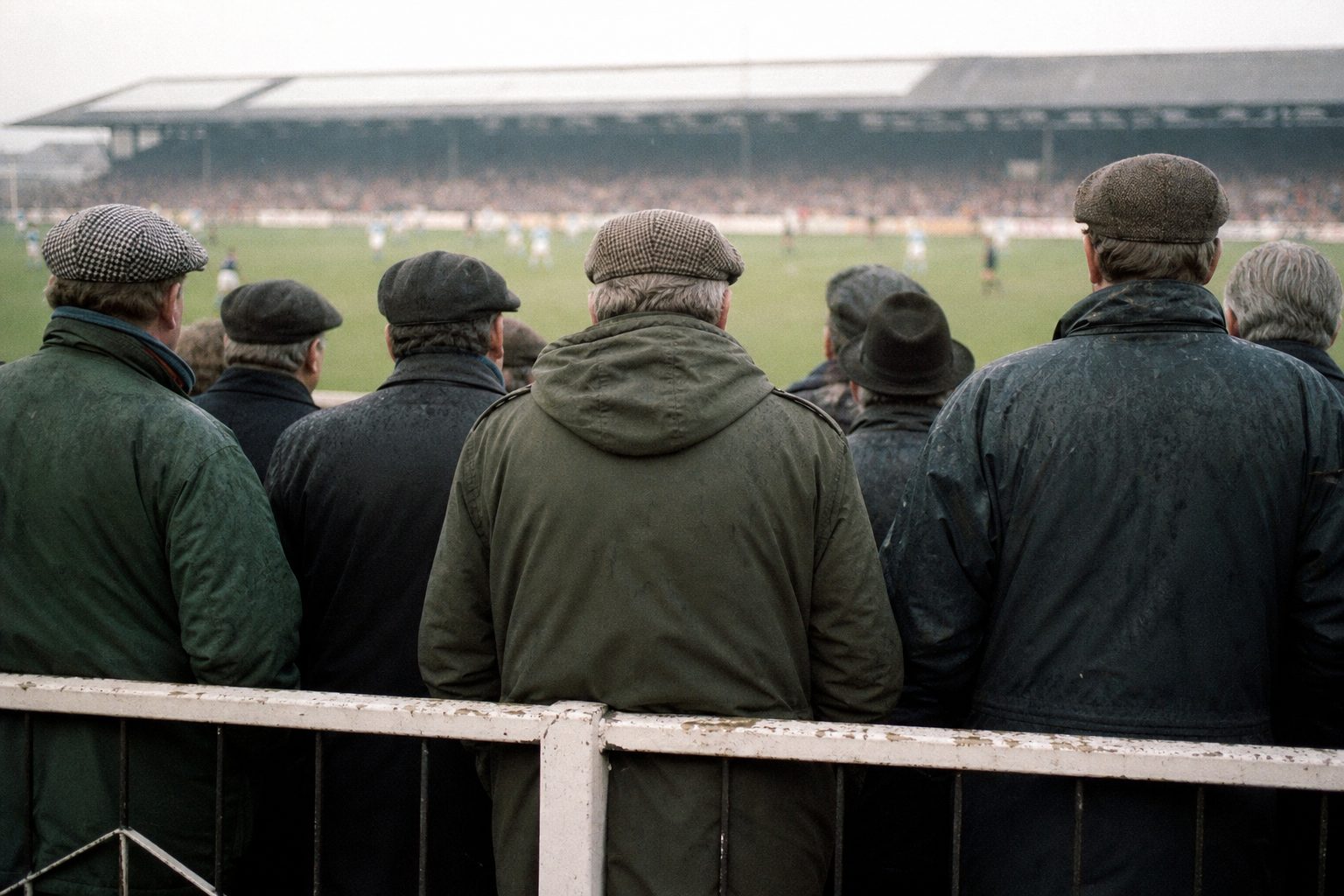
The supporters in the review give the club a particular look. Flat caps, scarves and a certain northern German reserve. Bremen fans of that era were a long way from the modern image of choreographed ultras, and the clip is a reminder that football crowds of the early 1990s looked very different everywhere, not just in Britain.
Why the review still works
End-of-season reviews were a staple of the VHS era, when supporters bought tapes of the year’s goals and watched them until the picture wore out. The phenomenon in Britain is covered in the video age of football. The RTL review belongs to the same tradition, with the added appeal of German graphics and a soundtrack that refuses to calm down.
The shirts are worth the watch on their own. Early-1990s Bundesliga kits were bold, sponsored and occasionally baffling, and anyone who enjoys spotting them should try the title-winners shirt quiz and the European giants shirt quiz.
Kaiserslautern would go on to do something even stranger in 1998, winning the Bundesliga as a newly promoted side under Rehhagel. But that is another tape.