 ThreeMatchBan


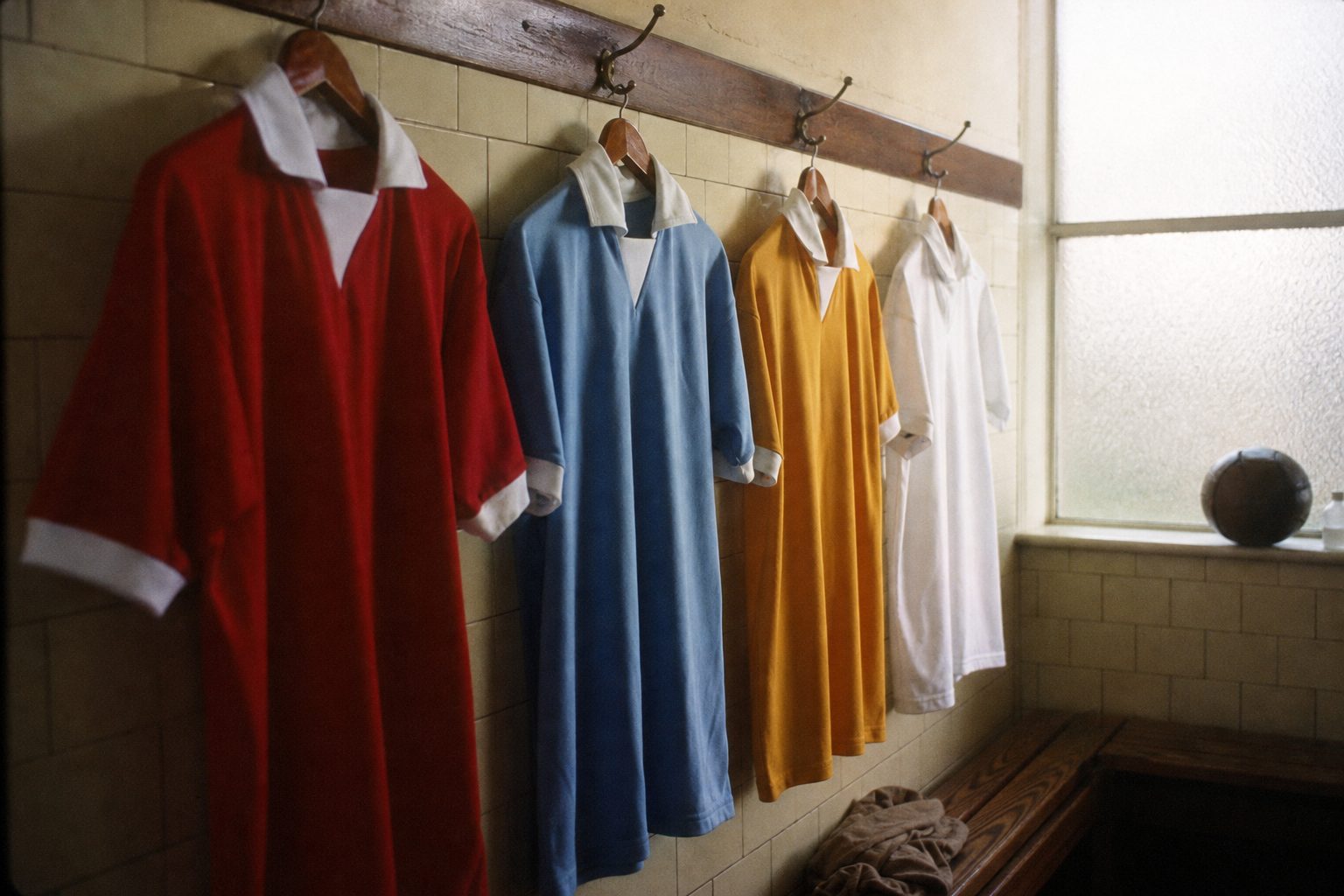
Any side can string a few results together and win a cup. Birmingham City proved it in February 2011, beating Arsenal 2–1 at Wembley in the League Cup final. Keeping that form going from August to May and lifting the league trophy is a different thing altogether, and the list of clubs who have managed it is short.
Since the Football League kicked off in 1888–89, only around forty clubs in England and Scotland have finished a top-flight season as champions. Thirty-three of them are waiting further down, each represented by a single shirt with the badge covered up and the rest left to memory.
An exclusive club, dressed in odd colours
Some of the champions are obvious. A title-winning side tends to wear the same home colours for a century, and the kit men rarely stray far from tradition. That is why the quiz leans on away strips and third shirts as much as on the classic home kits.
Away shirts were where the designers of the 1980s and 1990s were allowed to misbehave. Shadow stripes, geometric panels, collars big enough to land a light aircraft on and colour combinations that looked fine on a drawing board but awful under floodlights all made it onto the pitch. Third shirts were worse. Most supporters spent years trying to forget them, and several are here to bring the memory back.
The champions come from every corner of the game's history. Nottingham Forest won the First Division in 1977–78, a single season after promotion, and the story behind the tree on their shirt is told in the Nottingham Forest badge history. Ipswich Town did something similar under Alf Ramsey in 1961–62. Derby County won the title twice in the 1970s, Aston Villa took it in 1980–81, and Leeds United were the last champions of the old First Division in 1991–92. North of the border, Aberdeen and Dundee United broke the Old Firm's grip in the early 1980s, which still counts as one of the great feats of Scottish football.
How shirts turned into memories
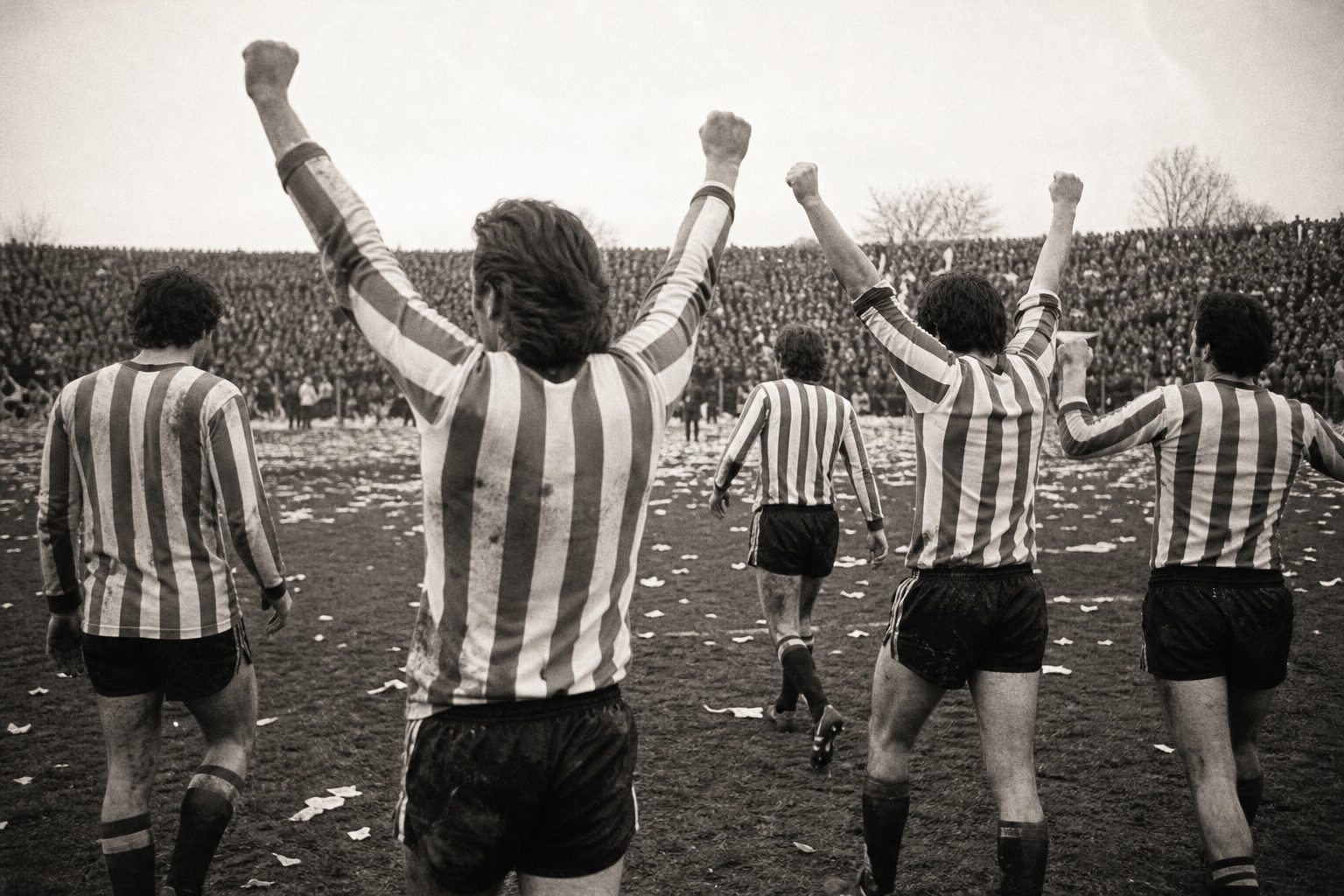
For most of the twentieth century a football shirt was simply a work garment. Heavy cotton, a plain collar, sometimes a badge, often not. Supporters did not wear them to the match; they wore scarves and rosettes. The change came in the 1970s, when kit makers realised boys would pester their parents for an exact copy of what their heroes wore on Match of the Day.
Replica shirts became a business, and clubs started changing designs every couple of seasons to keep the tills ringing. Shirt sponsorship followed at the end of that decade, and suddenly a club's identity was bound up with an electronics firm, a brewery or a car maker. Ask a supporter of a certain age to describe their side's best ever team and there is a decent chance the sponsor's name will come up before the formation does.
That link between a shirt and an era is what makes a quiz like this work. The badge is covered, but the cut of the collar and the shade of the stripe still trigger something. It might be a cup run, a relegation scrap or the season a striker scored from his own half.
If shirts are your weakness, the general classic shirt quiz covers clubs that never came close to a title, and the European giants quiz moves the same idea across the Channel.
How to play
Each shirt has an answer box underneath it. Type the name of the club that won the league wearing that design, or at least wearing those colours, and the box turns green the moment the answer is right. The score counter at the top climbs with every correct entry.
Use full club names. Queens Park Rangers will be accepted; QPR will not. The same goes for Manchester United rather than Man Utd and Tottenham Hotspur rather than Spurs. There is no sign-up and nothing to submit, so take as long as you like and come back to the stubborn ones later.
Every design was sold at some point by the specialists at classicfootballshirts.co.uk’s vast online wardrobe, which is a dangerous place to wander once the quiz has stirred up the nostalgia. Got a friend who claims to know every kit since 1970? Tweet it at them and watch the excuses roll in.
For the record, the very first champions were Preston North End in 1888–89, and they went the entire league season unbeaten.