 ThreeMatchBan
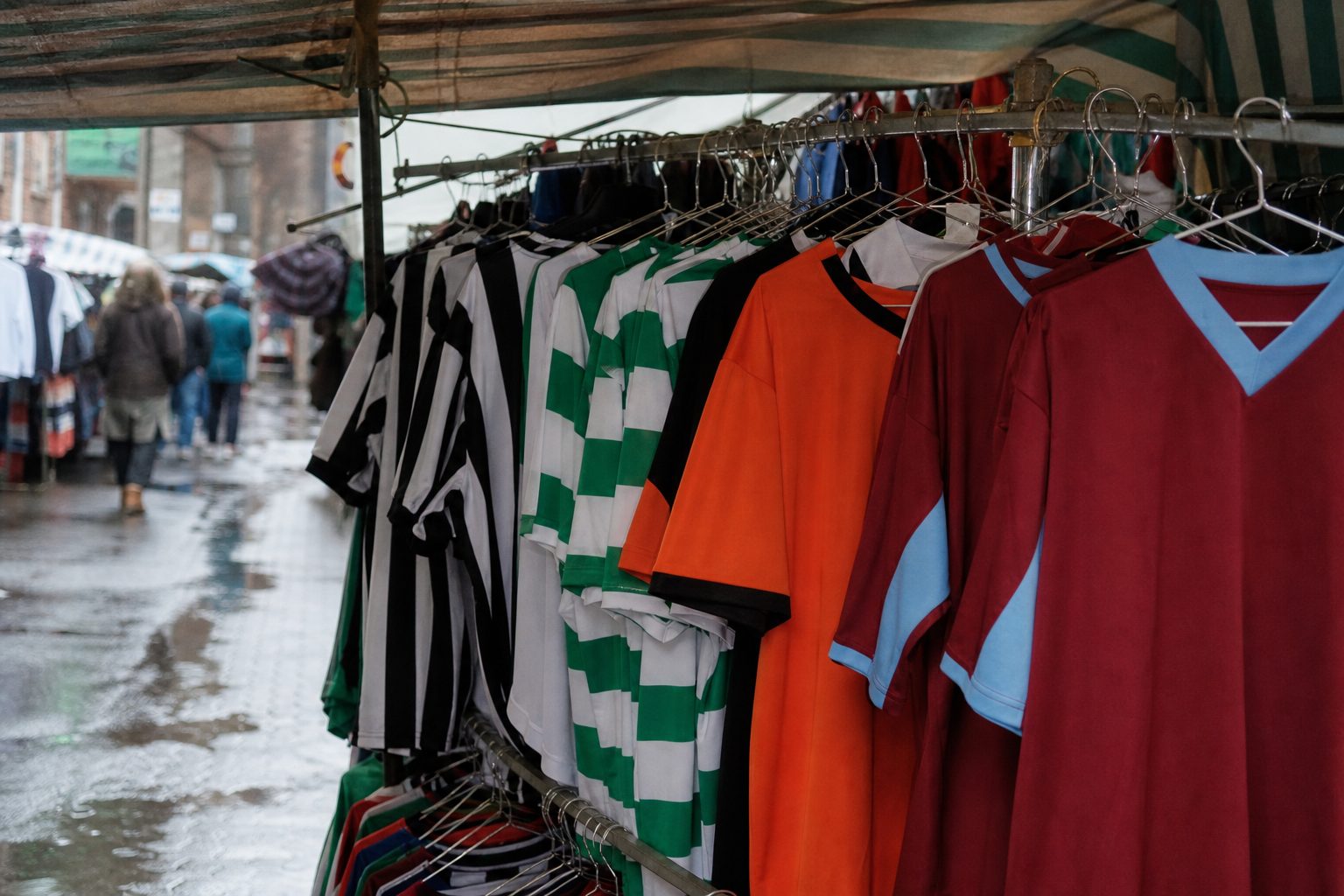
Memories of a team from a particular era get coloured by all sorts of things. It might be the manager or the players, a cup run, a single match or something that happened in the stands. For a great many supporters, though, the thing that sticks is the kit. Whether it was garish, beautiful, bland or plain horrible, certain players from certain seasons stay dressed in that shirt for good.
The 33 shirts below are of decidedly mixed beauty. They come from clubs around the world, and the job is to name each team from its kit, spelling and all.
Why the shirt is the memory
Football kits used to change far less often than they do now. A club might wear the same home shirt for three or four seasons, which meant a whole era of a team, its promotion, its relegation, its one decent cup run, happened in a single design. That is why a photograph of an old shirt can bring back a season faster than a list of results.
Replica shirts as a mass product are a relatively recent idea. Admiral are generally credited with turning kit into something supporters bought in the 1970s, starting with Leeds United, and by the end of that decade the cotton home shirt had become a birthday present for half the children in the country. Shirt sponsorship arrived around the same time. Non-league Kettering Town wore a sponsor's name in 1976, and Liverpool became the first big English club to carry one when Hitachi appeared on their shirts in 1979.
From there it all got louder.
The good, the bad and the tiger stripes
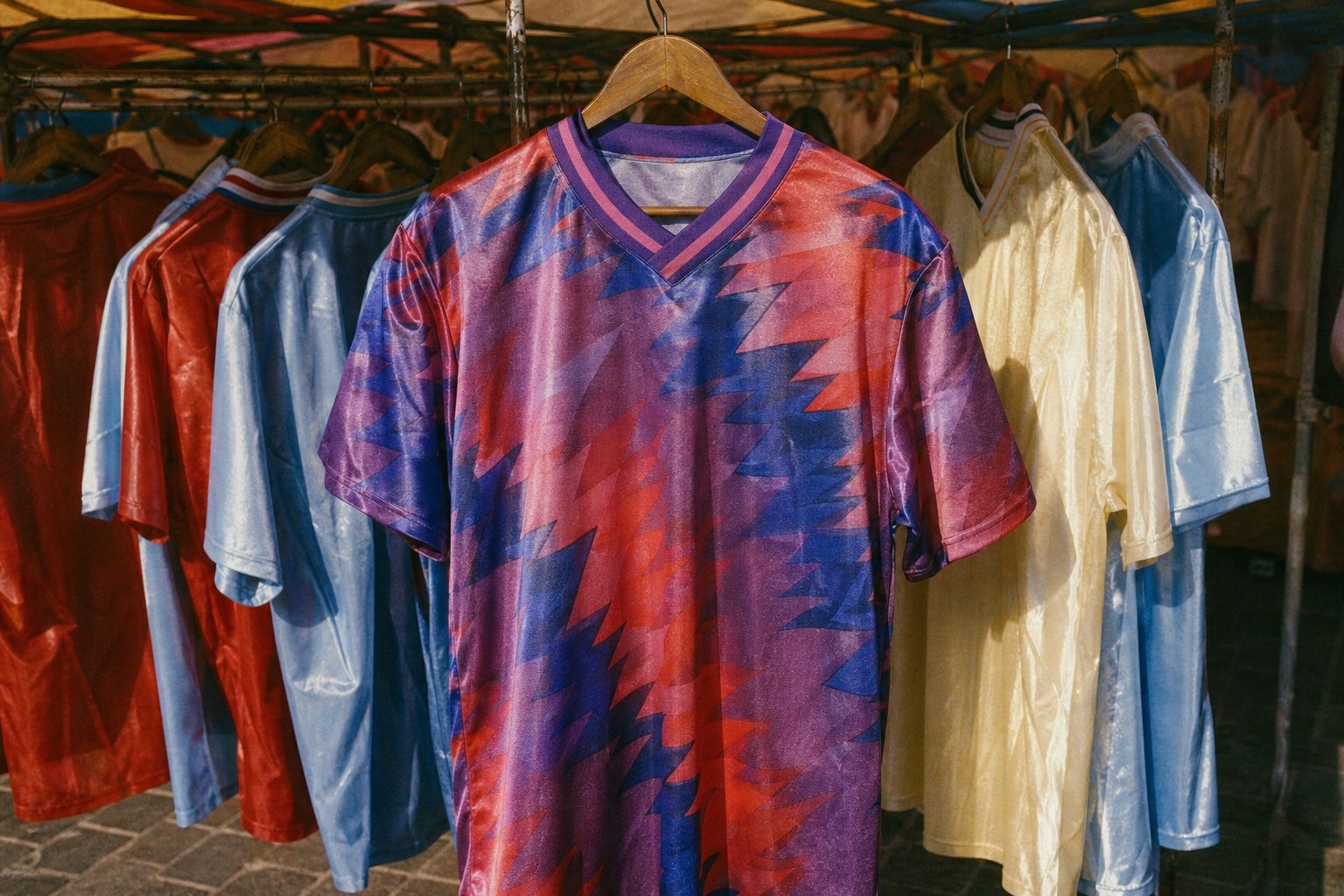
Every supporter has a shirt they will defend against all reason. Coventry City's chocolate-brown away kit from the late 1970s is either a masterpiece or a crime depending on who is asked. Arsenal's yellow and black away shirt from the early 1990s, nicknamed the bruised banana, was laughed at when it came out and now sells for silly money. Hull City took the tiger motif literally in 1992 and wore an actual tiger-skin print, which says a great deal about the confidence of shirt designers at the time.
Then there is the grey. Manchester United's grey away kit was changed at half-time at The Dell in April 1996 with the side 3–0 down to Southampton, the players claiming they could not pick each other out against the crowd. The second half was played in blue and white, United lost 3–1, and the grey shirt was never worn again. Few kits have been retired so quickly or so publicly.
Not every shirt in the quiz is that notorious. Some are simply handsome, plain and well made, the kind of shirt that only shows its age in the cut of the collar.
How to play
Type your answer in the box under each shirt. There is no button to press and no sign-up: when the name is right, the box turns green and the score counter goes up.
Use the club's full name rather than a nickname or initials, so "Queens Park Rangers" rather than "QPR". Spelling matters, and some of the overseas names will test it as much as the shirts test the memory.
Where the shirts came from
The shirts were chosen from the stock of classicfootballshirts.co.uk, a specialist in old match and replica kit. Its full collection of club and international jerseys can be browsed here, and it is a dangerous place to wander into with a bank card.
Anyone who gets through all 33 has plenty more to try. The title winners shirt quiz sticks to champions, the European giants raise the difficulty, and the European Championship shirt quiz swaps clubs for countries. For a more recent snapshot, there is a full guide to the 20 Premier League kits of 2012–13, and the story of how the crests on those shirts changed is told in the evolution of Premier League club badges.
Plenty of people swear they never owned a shiny polyester away shirt with a zig-zag pattern. Most of them are not telling the truth.