 ThreeMatchBan
Any season review that does not open with the San Diego Sockers awkwardly working their way through a lengthy rap is, frankly, not worth the time. ESPN’s look back at the 1985–86 Major Indoor Soccer League sets a standard few productions have matched since.
Once the excitement has died down, four fascinating portraits of the indoor game during its 1980s heyday follow, all of it scored by a synthesiser genius.
What the MISL was
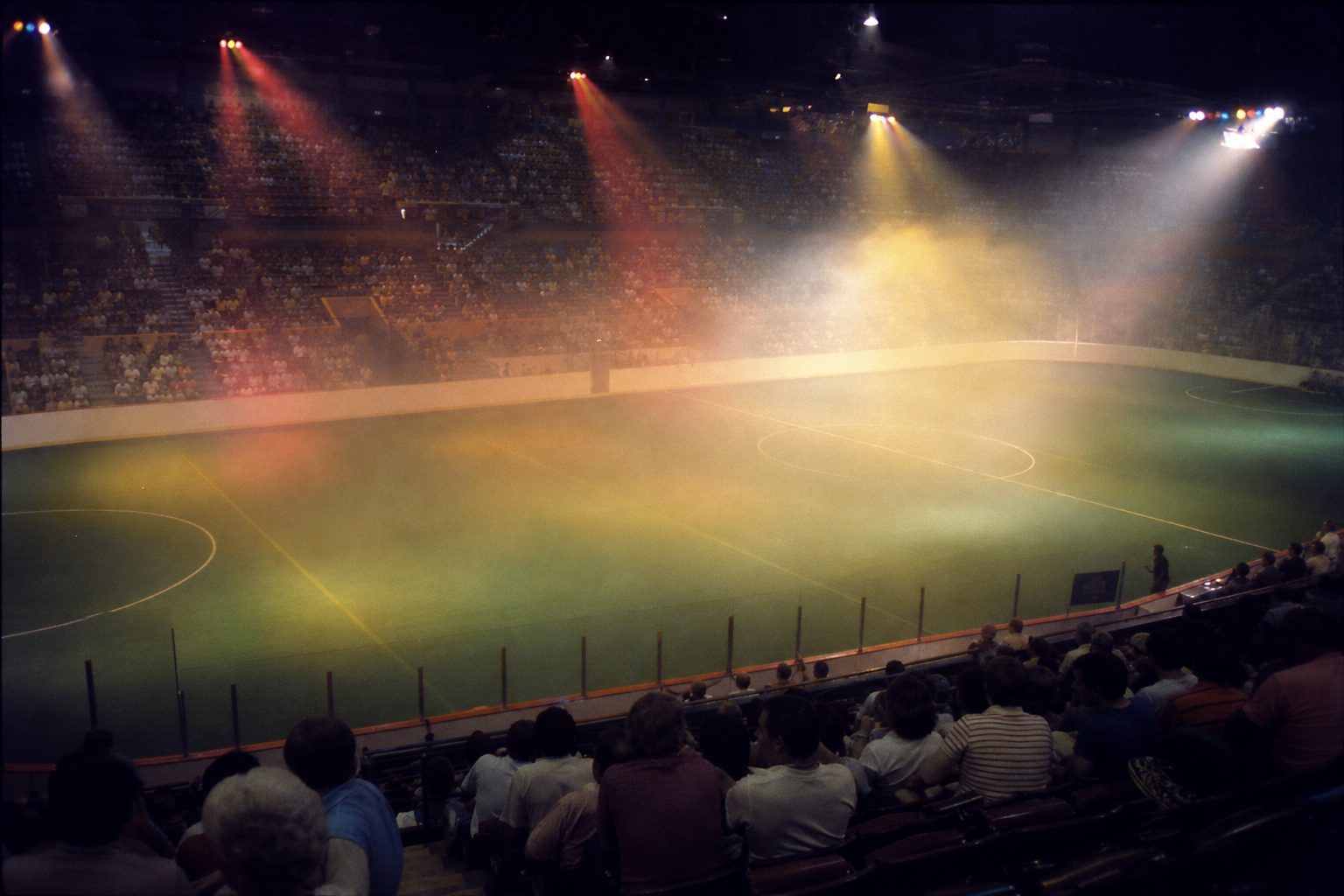
The Major Indoor Soccer League began in 1978, when the outdoor North American Soccer League was still at its peak. The idea was simple: take soccer into the ice hockey and basketball arenas of American cities, lay artificial turf over the floor, put boards and plexiglass around the edge like a hockey rink and let the ball stay in play almost continuously.
The result was fast, loud and high-scoring. Goals came every few minutes. Players bounced passes off the boards, substitutions happened on the fly, and the matchday presentation borrowed heavily from other American sports, with smoke machines, spotlights and player introductions that would not have looked out of place at a boxing match.
When the NASL folded after the 1984 season, the MISL found itself as the most prominent professional soccer league in the United States. That gave seasons such as 1985–86 an importance that is easy to forget now. For a few years, if you wanted to watch top-level professional soccer in an American city, you went indoors.
The San Diego Sockers
The Sockers, who existed in various leagues from 1978 to 1996, were the dominant force of indoor soccer. They won a string of indoor championships through the 1980s and into the early 1990s, and their crowds at the San Diego Sports Arena were among the best in the league.
Their rap belongs to a very specific moment. In late 1985 the Chicago Bears had released the Super Bowl Shuffle, and for a while every American sports team seemed to think it needed a song and a video. Most of them were stiff and slightly embarrassed. That is exactly why they are so watchable now.
Players such as Branko Segota and the Yugoslav forward Steve Zungul, nicknamed the Lord of All Indoors, were among the stars of the indoor game in this era. Many of the league’s best players were European or South American imports who found a second career in the arenas after the outdoor game collapsed.
Teams with names to match
Part of the charm of the MISL was its club names. Over the years the league included the Baltimore Blast, the Cleveland Force, the Kansas City Comets, the St. Louis Steamers, the Tacoma Stars, the Wichita Wings and the Dallas Sidekicks, alongside the Sockers. The names were invented by marketing departments rather than handed down by Victorian founders, and they have a cheerful, slightly cartoonish quality that European football never quite matched. For more examples of football names that raise a smile, see the best team names in world football.
The crowds in some cities were remarkable. Indoor soccer was family entertainment, cheap compared with other major sports, and the constant scoring suited audiences new to the game.
Why the indoor era matters
Indoor soccer is often treated as a footnote in the history of the game in America, a strange interlude between the glamour of the NASL and the arrival of Major League Soccer in 1996. That undersells it. The MISL kept professional soccer alive in American cities through the second half of the 1980s and gave thousands of children their first experience of watching the game live.
The league itself did not last. It was renamed the Major Soccer League in 1990 and folded in 1992, as costs rose and crowds fell. By then the United States had been awarded the 1994 World Cup, and attention was turning back outdoors.
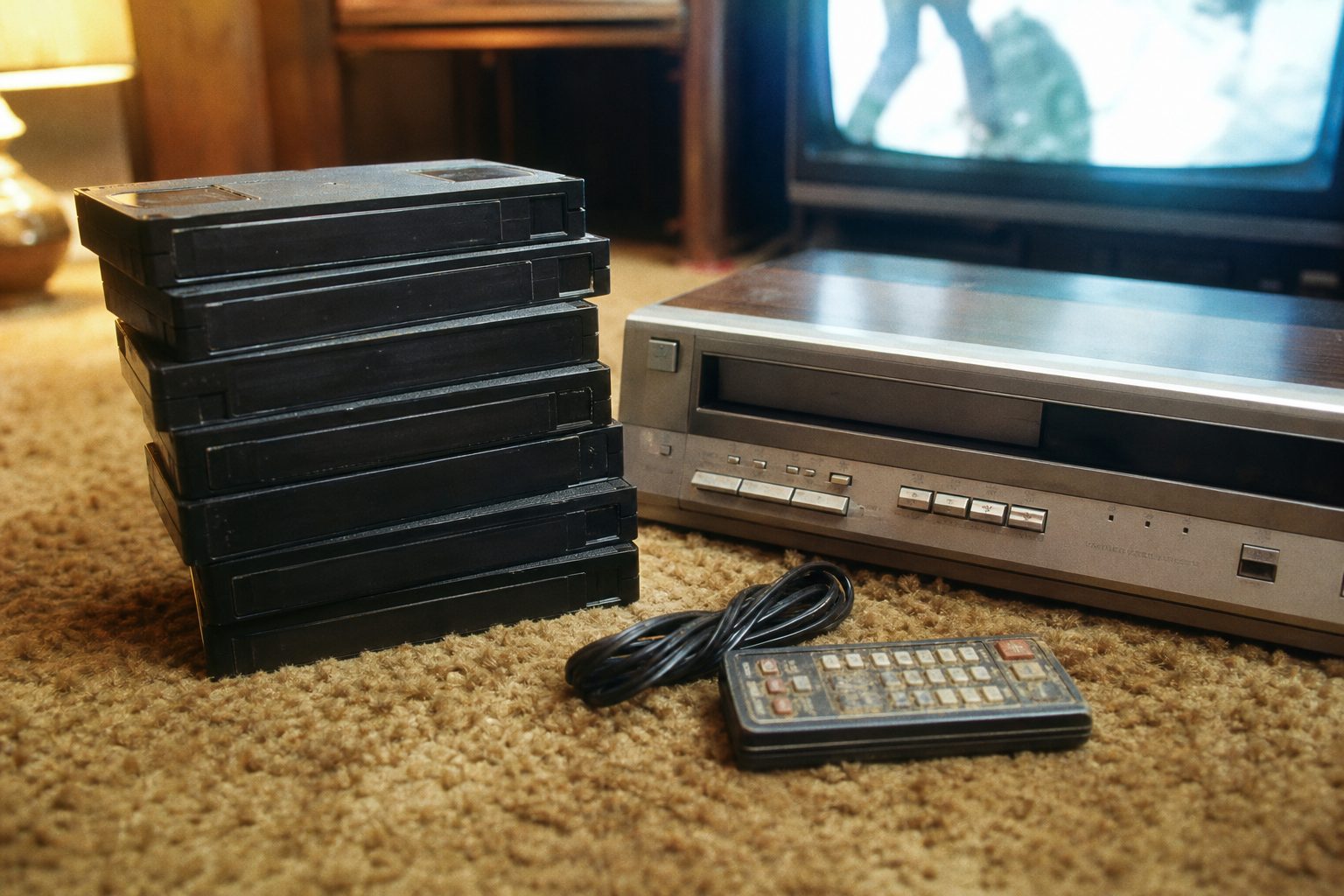
The game itself was always going to divide purists. Its relentless pace and physical contact were a long way from the slow build-up of the European game, a theme picked up in the evolution of football gets aggressive. And the ESPN review is a reminder of how much football has always relied on recorded highlights, a story told in the video age of football.
Watch the Sockers rap once and the synth bassline will stay for a week.