 ThreeMatchBan
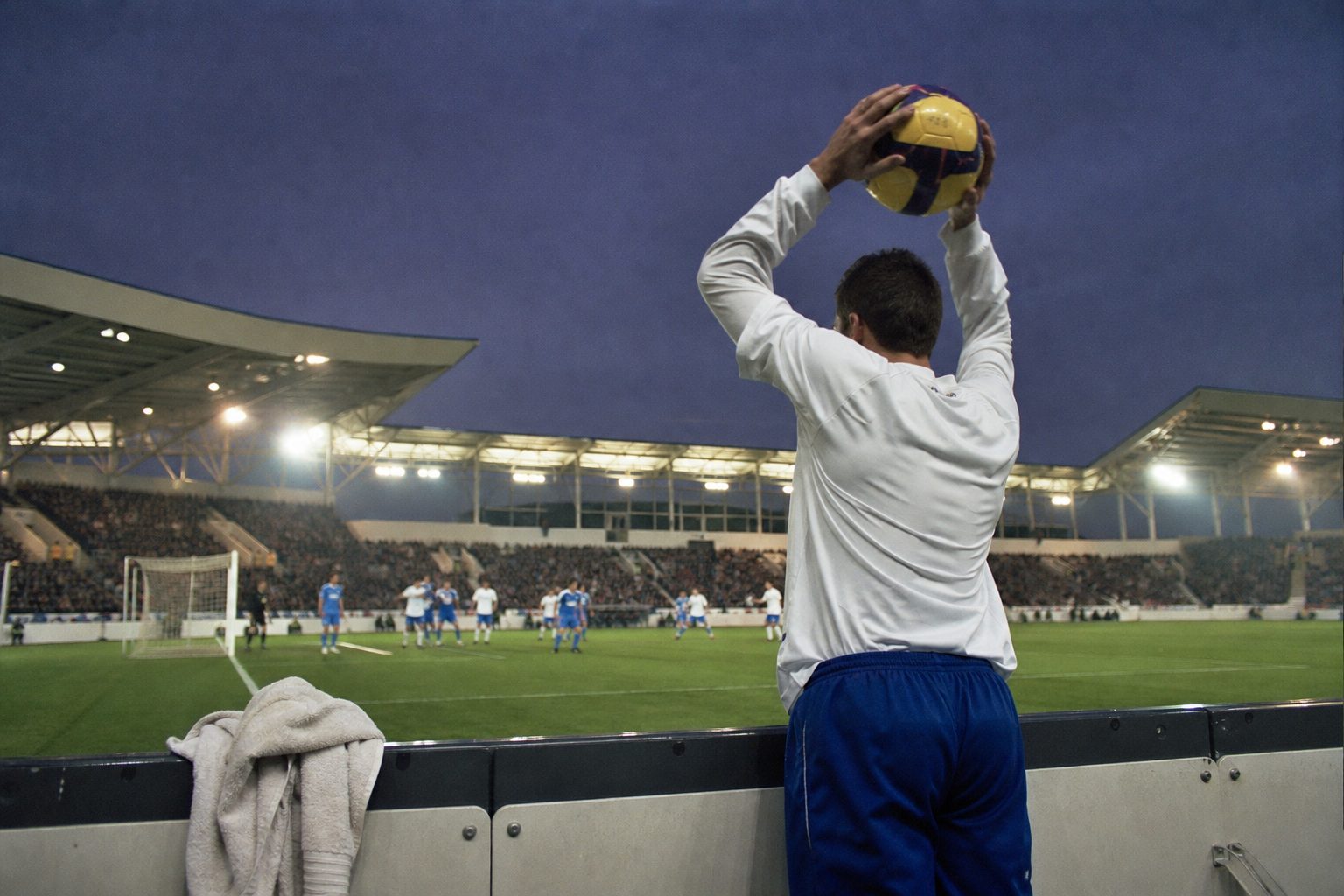
Some parts of football are simply functional. They are the bits that keep the game moving, and they have barely changed since the Football League kicked off in 1888: the goal kick hoofed upfield, the handshakes before kick-off, and the throw-in that restarts play when the ball crosses the touchline. Nobody buys a ticket for a throw-in.
In the space of a decade, though, the humble throw-in got a makeover.
Babayaro's somersault
First came the acrobatics. Celestine Babayaro, the Nigerian left-back who played for Chelsea and later Newcastle, became famous for a somersault throw: a run-up, a full forward flip with the ball in his hands, and a release as his feet landed. It added distance and, more importantly, it added theatre. Crowds loved it, coaches worried about the risk, and it remained a party trick rather than a tactic.
Babayaro was not the only player to try it, but he was the one who brought it to the Premier League's attention, and it inspired plenty of imitators in parks and playgrounds, with mixed and occasionally painful results.
Rory Delap and Stoke City
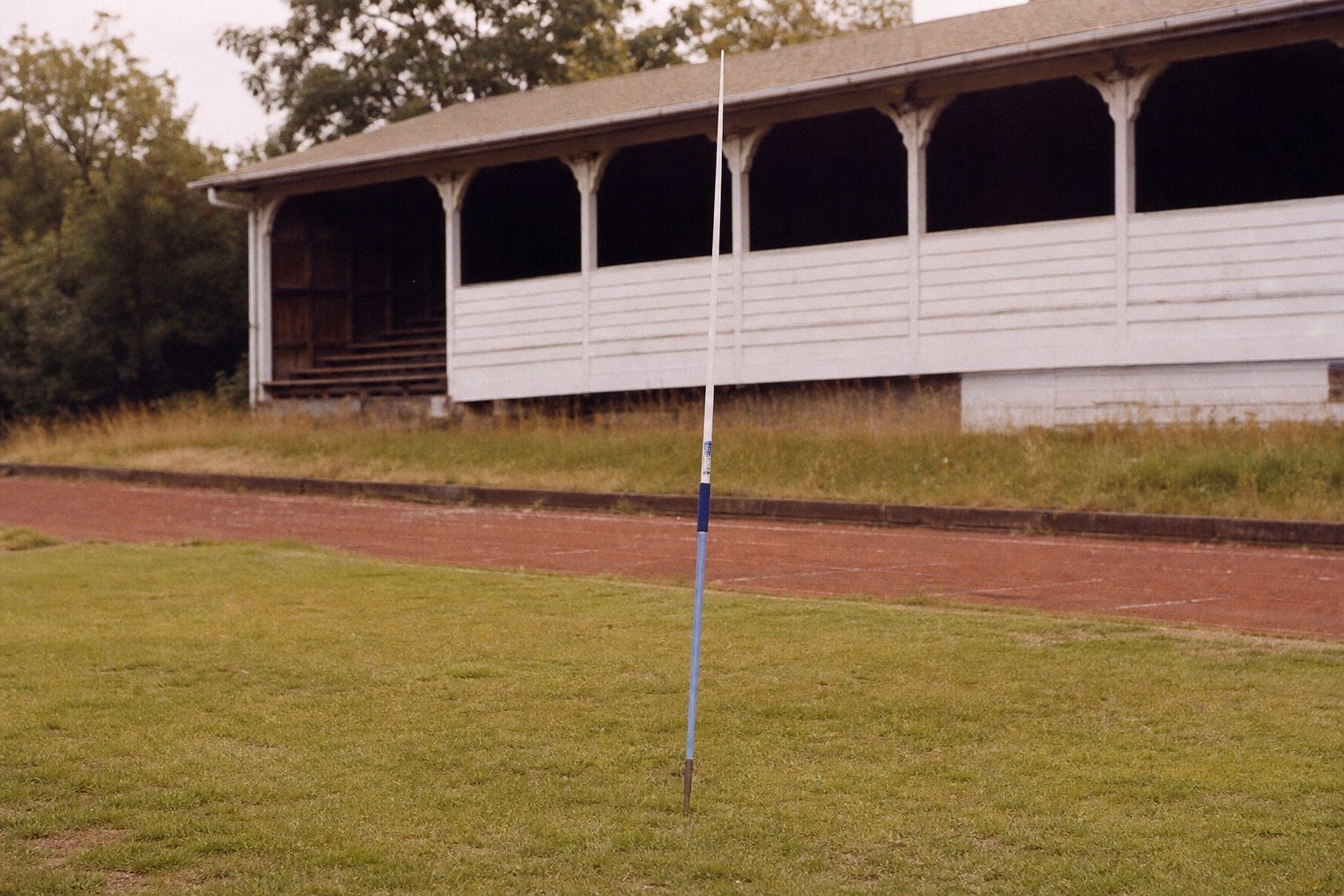
Then came Rory Delap, and the throw-in stopped being a curiosity and became a weapon. Delap, a midfielder who had been a promising javelin thrower at school, could hurl the ball from the touchline into the six-yard box with a flat, fast trajectory, more like a cross than a throw. When Stoke City reached the Premier League in 2008, Tony Pulis built a large part of their attack around it.
The method was crude and devastatingly effective. Delap would wipe the ball dry with a towel, step back for a run-up, and fling it into a crowded box full of tall Stoke players. Defences that were used to intricate passing moves in the Champions League and the top half of the table suddenly had to deal with something closer to a corner from every throw anywhere in the final third. Goalkeepers came for balls they could not reach; defenders headed the ball into their own net. Stoke stayed up comfortably in their first season, and the long throw was a big reason why.
The rest of the league complained that it was ugly and agricultural. Stoke did not care, and neither did their supporters, who treated each Delap throw as an event. The club went on to establish itself in the top flight and reached the FA Cup final in 2011.
What next for the throw-in?
As an attacking idea, the long throw was striking for its simplicity. It needed no clever movement, no technical genius, just a strong pair of arms and a few big men in the box. Which raises the obvious question that occurred to plenty of watching fans in 2009: if a straightforward throw could cause so much chaos, what if someone took it one step further and made it even simpler, and a lot more aggressive?
The laws of the game, thankfully, put a limit on that line of thinking. A throw-in must be taken with both hands, from behind and over the head, with both feet on or behind the line. Throwing the ball at an opponent with excessive force is, unsurprisingly, treated as violent conduct and punished with a red card, which has kept the evolution of the throw-in on the right side of civilised.
Delap retired in 2013, and for a while the long throw drifted back out of fashion as possession football took over. It never disappeared, however. In recent seasons it has enjoyed a revival in the Premier League, with coaching staff now studying set pieces in forensic detail, and the specialist thrower is no longer a novelty. Babayaro's somersault, meanwhile, remains a rarity, which is probably good news for hamstrings everywhere.