 ThreeMatchBan
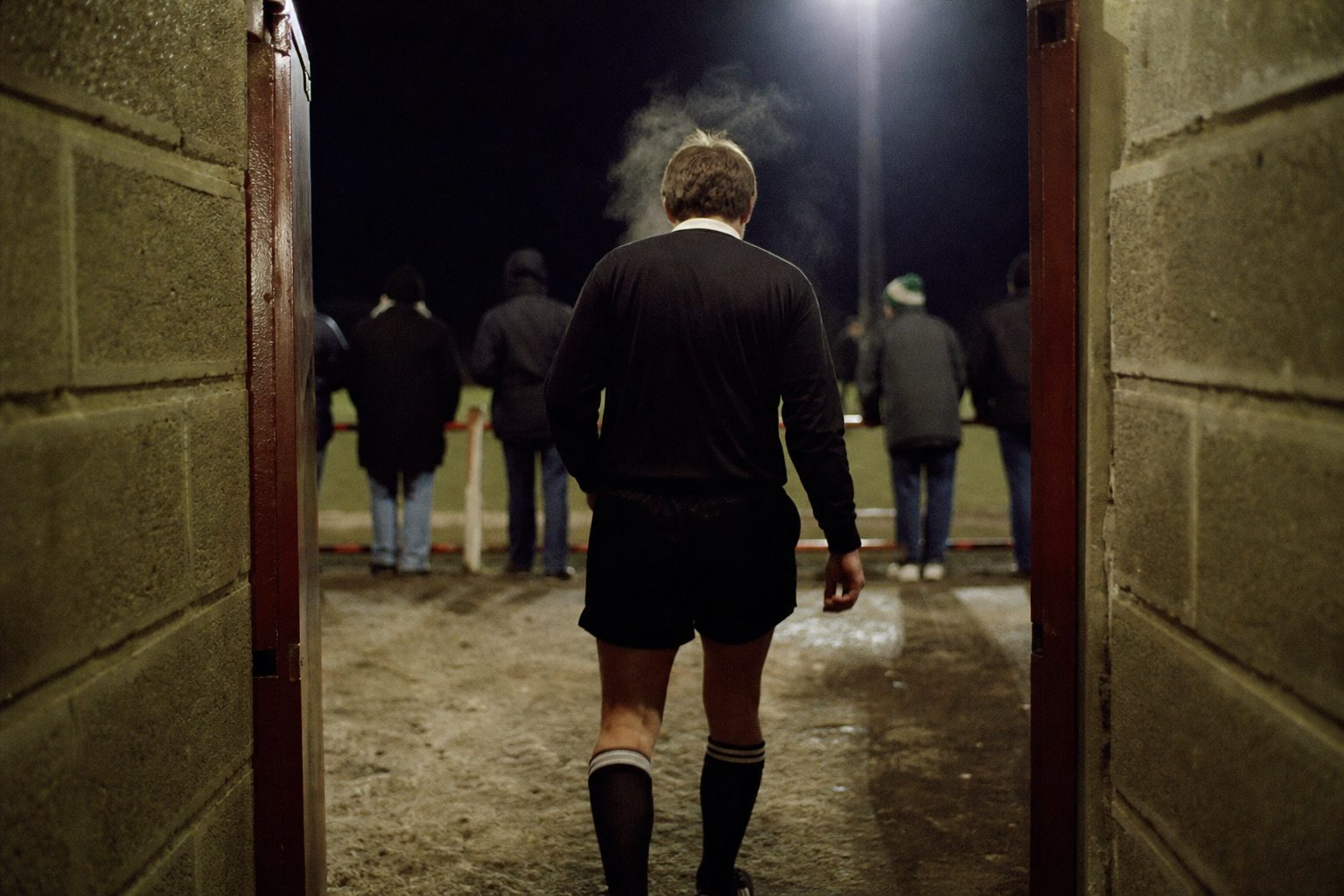
There may be no thankless task in sport quite like refereeing a football match. Players argue with every decision, managers blame officials for defeats in post-match interviews, and supporters treat the referee as a convenient target for ninety minutes of frustration. Yet every weekend thousands of people, from the Premier League to the local park, pull on the black kit and walk out to do it again.
Understanding why they bother says a lot about the game itself.
A view from inside the dressing room
Documentaries that follow referees behind the scenes have done more than any rule change to humanise them. The most celebrated, the Belgian film Kill the Referee, followed the officials at Euro 2008 through the tournament, recording their conversations through their headsets, their nerves before kick-off and the debriefs afterwards. It showed men who prepared as carefully as the players, who replayed their mistakes for days and who cared intensely about getting the big calls right.
The film also captured the price. England’s Howard Webb awarded Austria a late penalty against Poland in that tournament and found himself the target of fury in Poland that went far beyond normal criticism, including threats. Two years later the same referee took charge of both the Champions League final and the World Cup final in South Africa, the clearest possible evidence that one storm does not define a career.
Sweden produced its own study of the job. Mattias Löw’s documentary The Referee | Rättskiparen [2010] follows Martin Hansson, the Swedish official, and shows how much of a referee’s life happens away from the cameras.
Why people pick up the whistle
Ask referees why they do it and the answers are surprisingly consistent. Most started because they loved football and either could not play at a high level or wanted to stay involved after their playing days ended. Refereeing offers a route into the professional game that playing ability alone would never provide.
There is also the challenge. A referee makes hundreds of decisions in a match, many of them in a split second and from a less-than-perfect angle, while also managing 22 players, two benches and a crowd. Those who enjoy it talk about the satisfaction of a game that flows, where nobody notices the official at all. A good refereeing performance is often an invisible one.
Fitness plays a part too. Elite officials cover similar distances to midfielders, and plenty of grassroots referees took up the whistle partly to keep fit while being paid a modest match fee.
The grassroots problem
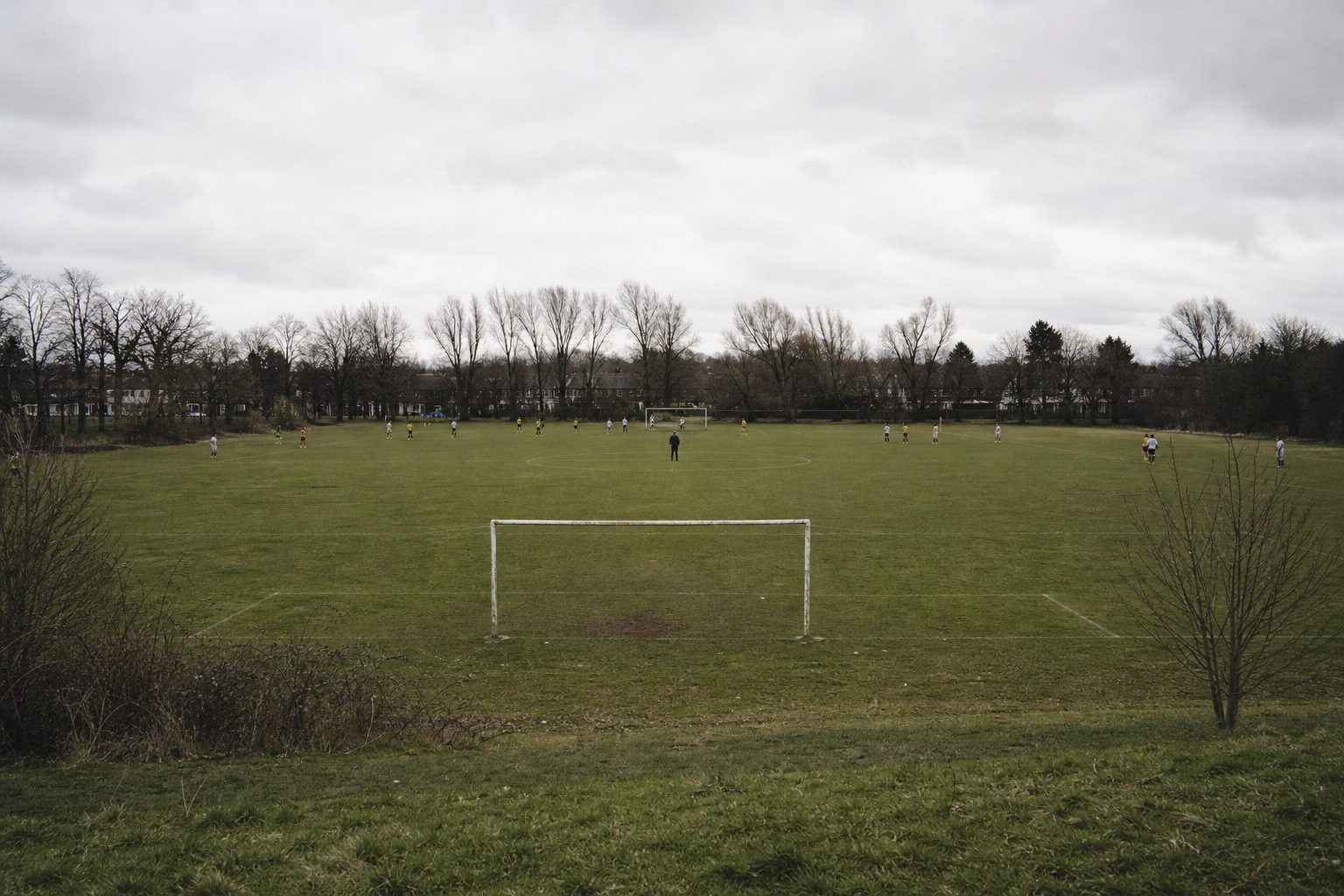
The elite referee at least has television replays, support teams and a professional contract. At the bottom of the pyramid it is very different. A young referee on a Sunday morning may be alone on a park pitch, with no assistants, facing adults twice their age and spectators who think nothing of shouting abuse from the touchline.
Referees have long warned that the best official in the country might be a teenager sitting at home who gave up after a parent screamed at him during an under-12 match. The point is blunt but fair: treat officials better and the game will get better officials. The FA launched its Respect campaign in 2008 for exactly that reason, after years of shortages at youth and amateur level, and the shortage has never fully gone away.
Those who stay say the motivation is simple. Without referees there is no game. Every Sunday league fixture, every match played in grim winter conditions, depends on someone being willing to stand in the middle and take the blame.
Technology and a different kind of scrutiny
The arrival of goal-line technology in 2013 and the video assistant referee in the Premier League in 2019 changed the job without making it more popular. Decisions are now slowed down, frozen and dissected from every angle, and the referee’s mistakes are argued over for days by pundits, a world away from the lighter touch on the sofa that some viewers still miss. The Match of the Day studio has rarely been short of an opinion on a refereeing call.
As the game has grown faster and more aggressive, the demands on officials have only grown. The one thing that has not changed is the job description: be right, be quick, and expect no thanks.
Next time a decision goes against your team, it is worth remembering that the person in the middle probably chose to be there for the same reason as everyone in the stands. They love football. They just have a very odd way of showing it.