 ThreeMatchBan
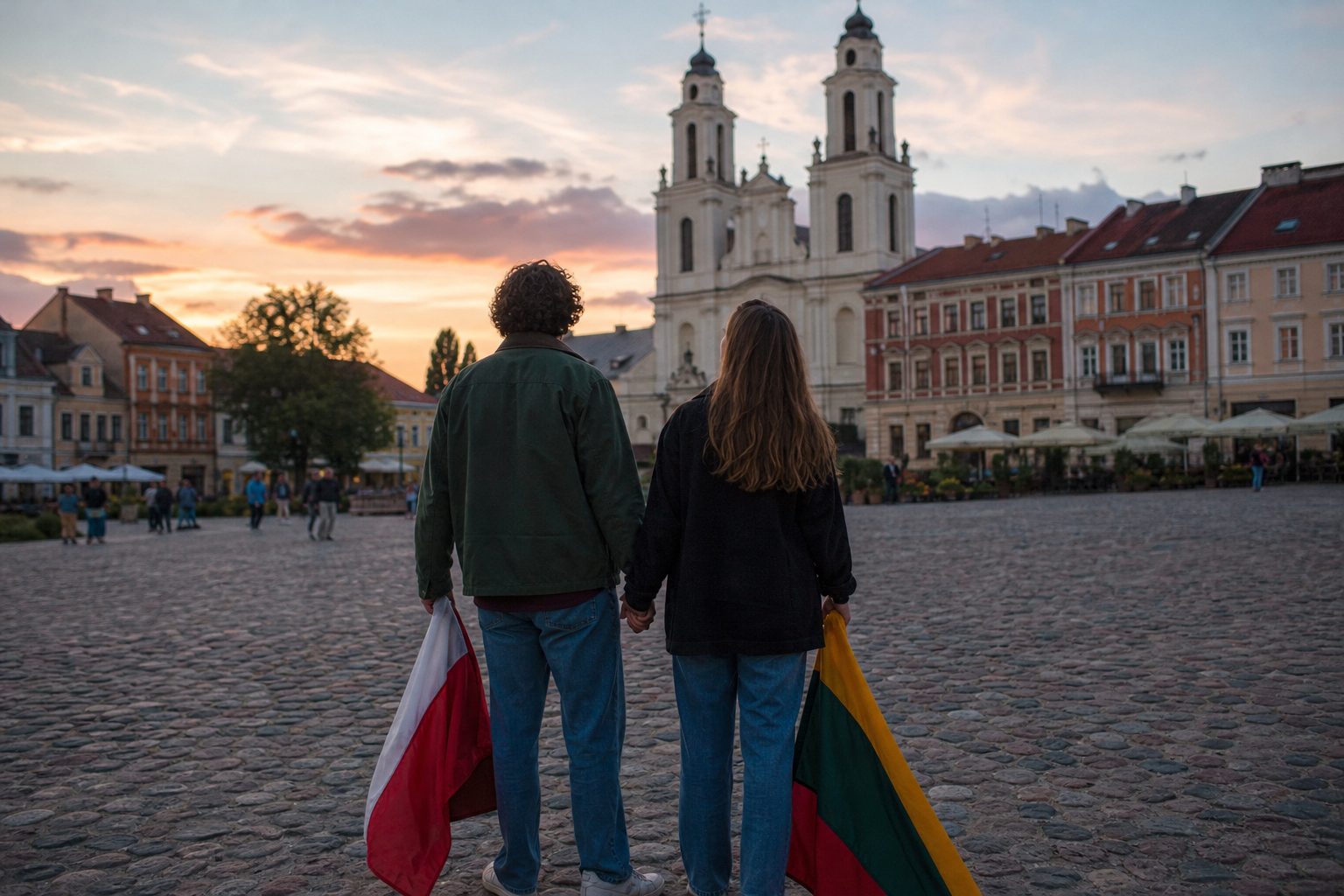
Most football stories about Poland and Lithuania are about two neighbouring countries with modest national teams and enthusiastic club cultures. The name Mykolas Majauskas belongs to a different kind of football story: one where the game becomes a stage for political tension, and where the most effective response comes from outside football's own institutions.
A long and complicated neighbourhood
Poland and Lithuania share centuries of history. For more than two hundred years they formed a joint Commonwealth, one of the largest states in early modern Europe. After the First World War the relationship soured badly, above all over Vilnius, which Poland controlled between the wars and which Lithuania regarded as its historic capital.
A large Polish minority still lives in and around Vilnius today. In the years before 2013 relations between the two governments had grown frosty over minority rights, education and, in particular, the official spelling of Polish surnames in Lithuanian documents. Politicians on both sides traded barbs. Football supporters, as so often, turned the dispute into something cruder.
Lech Poznan v Zalgiris Vilnius, 2013
The flashpoint came in a Europa League qualifying tie in the summer of 2013 between Lech Poznan and Zalgiris Vilnius. The first leg in Vilnius passed without violence, though police had issued public warnings and groups of visiting fans were filmed roaming the city centre. In the return leg in Poznan, a huge banner unfurled in the home end told Lithuanians to kneel before their Polish masters.
The foreign ministries of both countries condemned it. Valdemar Tomaševski, leader of the party representing Poles in Lithuania, suggested it could hardly have entered the stadium without help, and pointed at the Lithuanian security services. Then official interest faded.
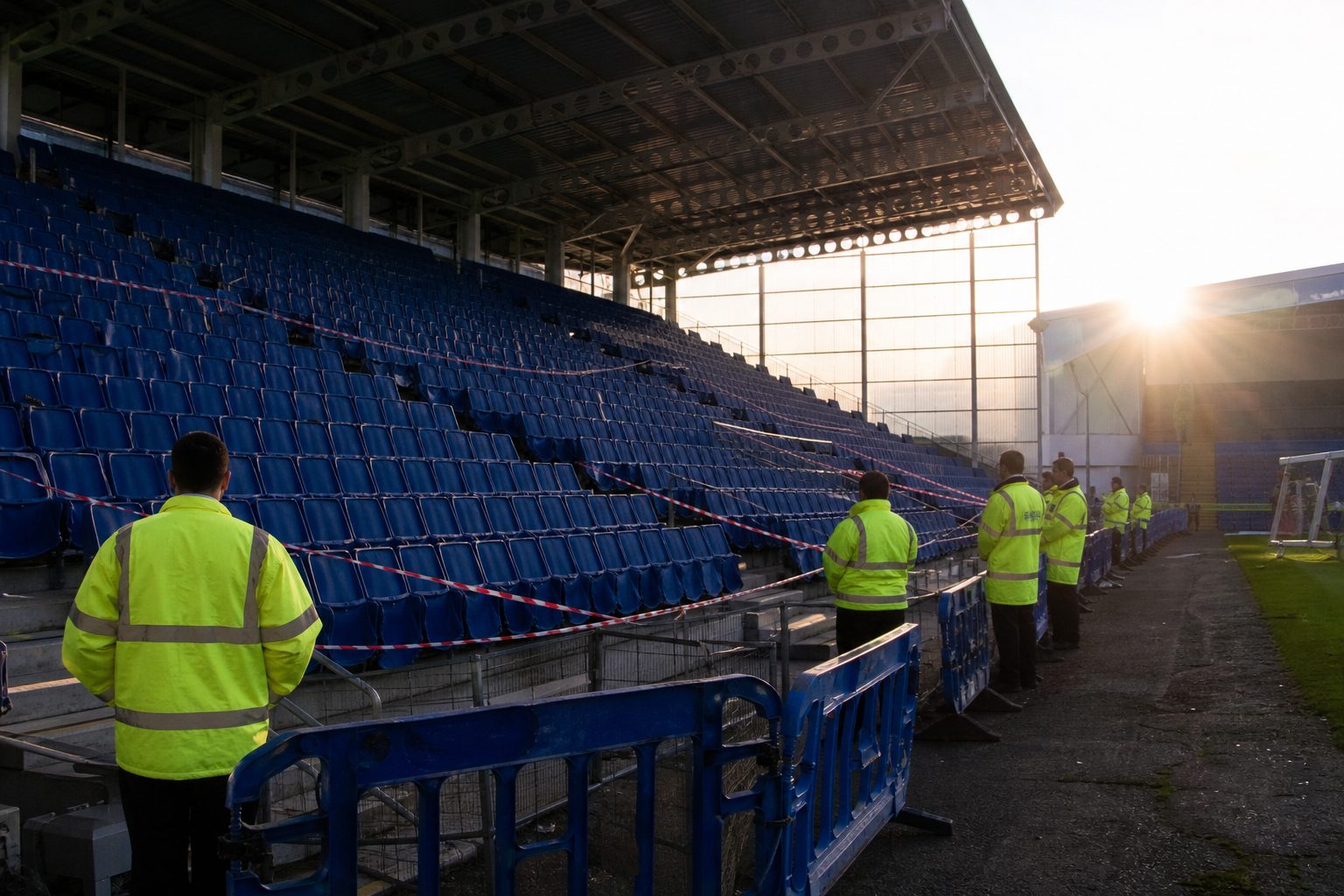
UEFA fined Lech a reported 5,000 euros and ordered part of the stadium closed for the club's next European home game. For a club of Lech's size that was barely noticeable, and the disciplinary committee offered no real statement on what the banner had said. Critics saw it as another example of European football's governing body treating discrimination as an administrative nuisance rather than a problem to be confronted.
Poland Loves Lithuania
The more memorable answer came from an online campaign organised by Mykolas Majauskas, a young Lithuanian with links to the World Economic Forum's networks. Called Poland Loves Lithuania, it used a simple emblem of the two national flags inside a heart and spread rapidly across social media, then onto streets and public spaces in both countries. Its message was that ordinary people did not have to accept the hostility of politicians or of a minority of supporters.
One line from the movement's statement summed up its approach: although people cannot change the opinions of others, they can choose how they respond. As a principle for handling hateful behaviour at football grounds, it was arguably more thoughtful than anything coming out of Nyon at the time.
The campaign did not end the political disputes. It did show how quickly a grassroots effort could reframe a football story that the authorities had been happy to close.
More on football and prejudice
The full account of the Poznan banner, the official reactions and the campaign that answered them is told in a piece on UEFA hiding behind an empty fine. A very different fight against prejudice runs through the story of Stonewall FC, the UK's first gay men's football club.
The risks of following a club abroad, and the arguments over a contested terrace chant, come together in a piece on travelling with Tottenham in Europe. Another Central European football culture in difficulty features in a look at the decline of Hungarian football.