 ThreeMatchBan
Early in 2011, Andy Gray and Richard Keys were forced out of Sky Sports after off-air sexist remarks about a female assistant referee were made public. The episode was a reminder that, however much wider society had moved on, football still clung to attitudes from another age, in which anything outside the traditional norm was mocked.
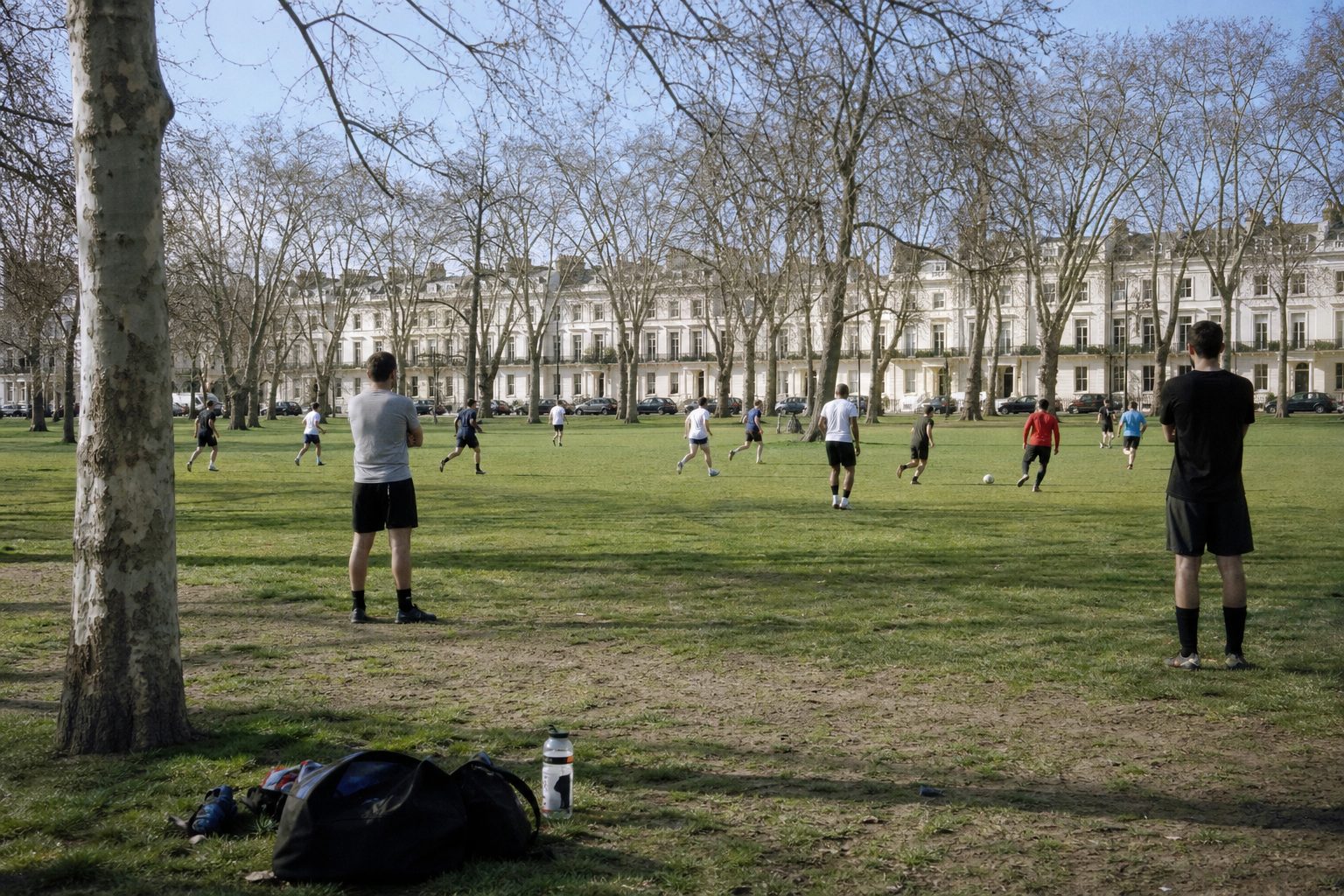
Against that background, one amateur club in London had spent twenty years quietly proving a point. Stonewall FC was the first gay men's football club in the UK, named after the 1969 uprising at the Stonewall Inn in New York that became a landmark of the gay rights movement.
From a small ad in Time Out
The club began in 1991 with an advert in Time Out magazine: "Are you gay? Would you like a kickabout in Regent's Park?" Enough men replied to form a team, and by 2011 Stonewall were playing in the Premier Division of the Middlesex County Football League, step seven of the non-League pyramid. Along the way they won world and Gay Olympic titles, an impressive haul for a club that started on a public park.
The recognition went beyond the pitch. In the 2011 New Year Honours, founding member Aslie Pitter, then 50, received an MBE for his work tackling homophobia in football.
The early days were tense. The founders debated whether to say openly that the team was gay, an understandable worry at a time when Justin Fashanu, the first professional footballer in Britain to come out, was suffering appalling treatment after doing so in 1990. In the end, as Pitter told the Evening Standard, the decision was made for them. "There was a debate as to whether we should out ourselves but we were saved the trouble when the Mirror got hold of the story and dubbed us 'Queens of the South'."
Handbags, heckles and something worse
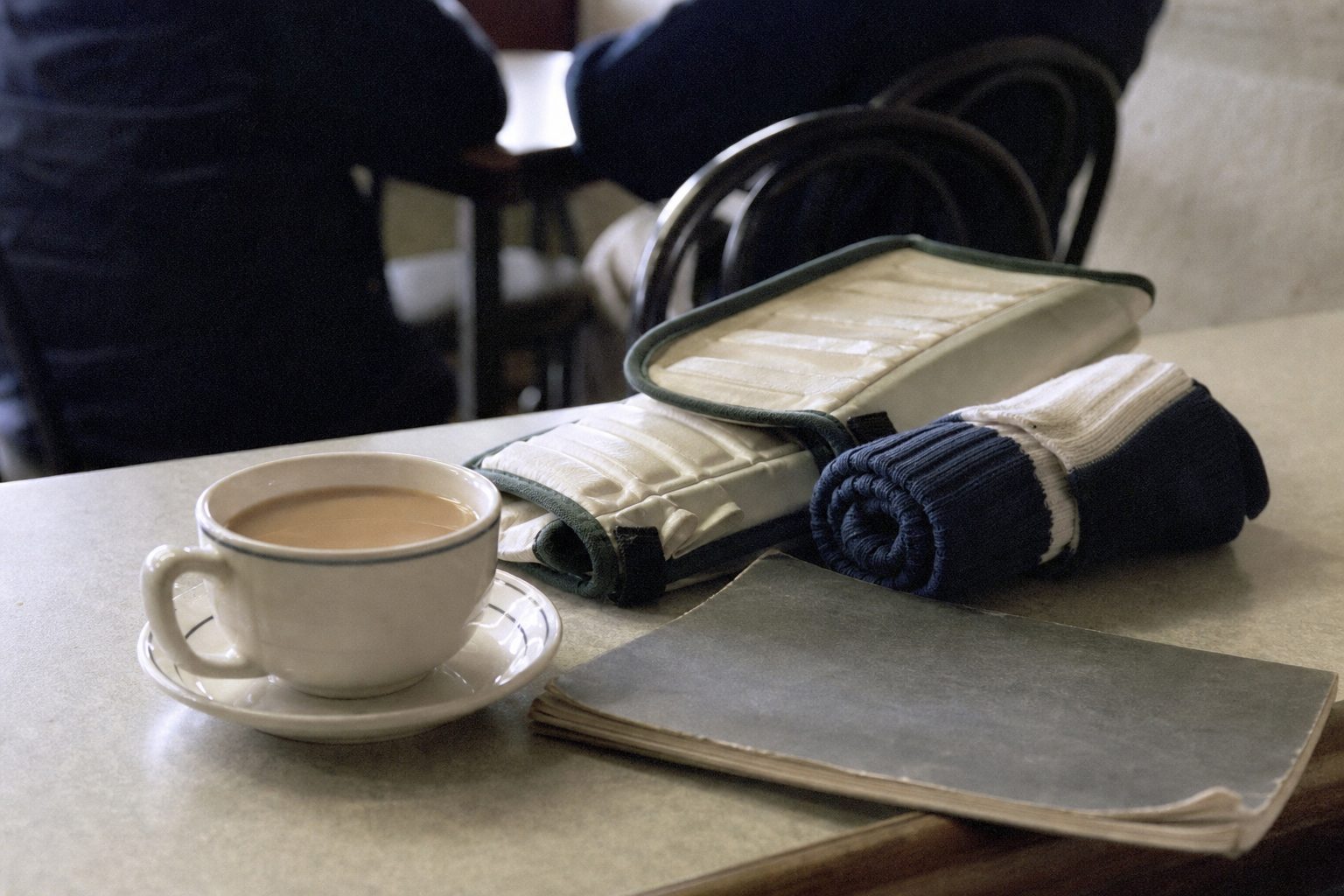
A visibly gay team in an amateur league might expect a rough ride. Club chairman Liam Jarnecki said that, for the most part, matches passed without trouble. "Like any other club, there's sometimes what's known in punditry as handbags, a funny word to describe opposing players exchanging forthright views or squaring up to each other," he explained. "However there are still incidents, mostly minor, involving occasional, sporadic abuse from individuals. Prejudice and abuse always takes place and is taken in context. You can usually tell the difference between a comic heckle and a snarling threat."
Pitter was blunter. Only weeks before speaking out, he had been on the receiving end of homophobic slurs from an opponent for the offence of pointing out that a throw-in was being taken from the wrong place.
"I'm often asked, 'Have things improved in football since 1991?'" he said. "The answer is: how many openly gay players do you see in the Premiership today? There are none. Zero. Think about that. Apart from Justin Fashanu, who only came out at the end of his career and whose footballing brother John disowned him, there's been nothing." He contrasted it with rugby, where Gareth Thomas had come out in 2009. "Football is stuck in the Dark Ages."
Prejudice below the surface
Pitter saw the Sky affair as proof that public tolerance could be a thin coat of paint. "From the top of the game to the amateur leagues homophobia as well as sexism is seething just below the surface, ready to pop out at the merest provocation," he said. Keys, he pointed out, had wished the official luck on air while dismissing her behind the scenes.
Jarnecki took a more hopeful view of the long run. "Wider society has changed in that time and football probably within that context. Hopefully we've been part of that, challenging stereotypes held by some straight and some gay people about the limits of sexual orientation."
He was also sympathetic to the professionals who stayed silent, pointing to the media storm any player would face. "These are footballers, not politicians or community ambassadors. However they are still club ambassadors and they will be considering the media intensity on them which could then bring pressure to the whole club."
What changed after 2011
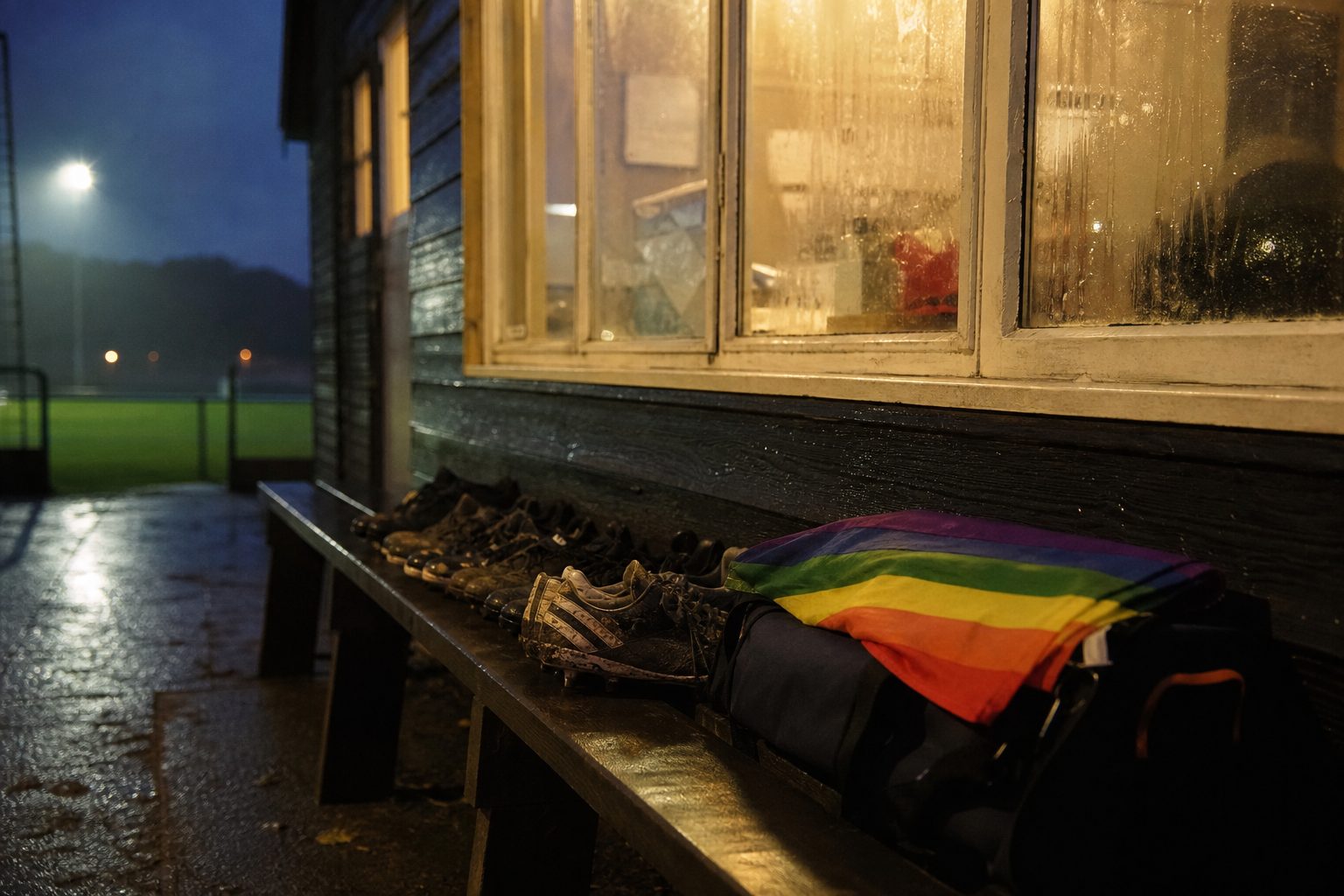
Change in the professional game came slowly, and it came. Thomas Hitzlsperger, the former Aston Villa and Germany midfielder, spoke publicly about being gay in 2014, a few months after retiring. In 2021 the Adelaide United player Josh Cavallo became one of very few openly gay men playing top-flight professional football, and in May 2022 Blackpool's Jake Daniels, aged 17, became the first active male professional in the UK to come out since Fashanu more than three decades earlier. Each announcement was greeted with support from clubs and team-mates, a very different reception from the one Fashanu endured.
The numbers in the men's game remain tiny, which suggests Pitter's frustration still has a point. The grassroots, though, look very different from 1991. Jarnecki was rightly proud of what one amateur team had started. "We were invisible in football until 20 years ago and now there's at least a dozen gay clubs of different standards across the country so we've definitely made a difference."
The interview with Jarnecki and Pitter's comments quoted here appeared on InBedWithMaradona.com. Fixtures, results and details on how to get involved with Stonewall FC can be found on the club's website, which is still the best place to start for anyone who fancies a kickabout of their own.