 ThreeMatchBan
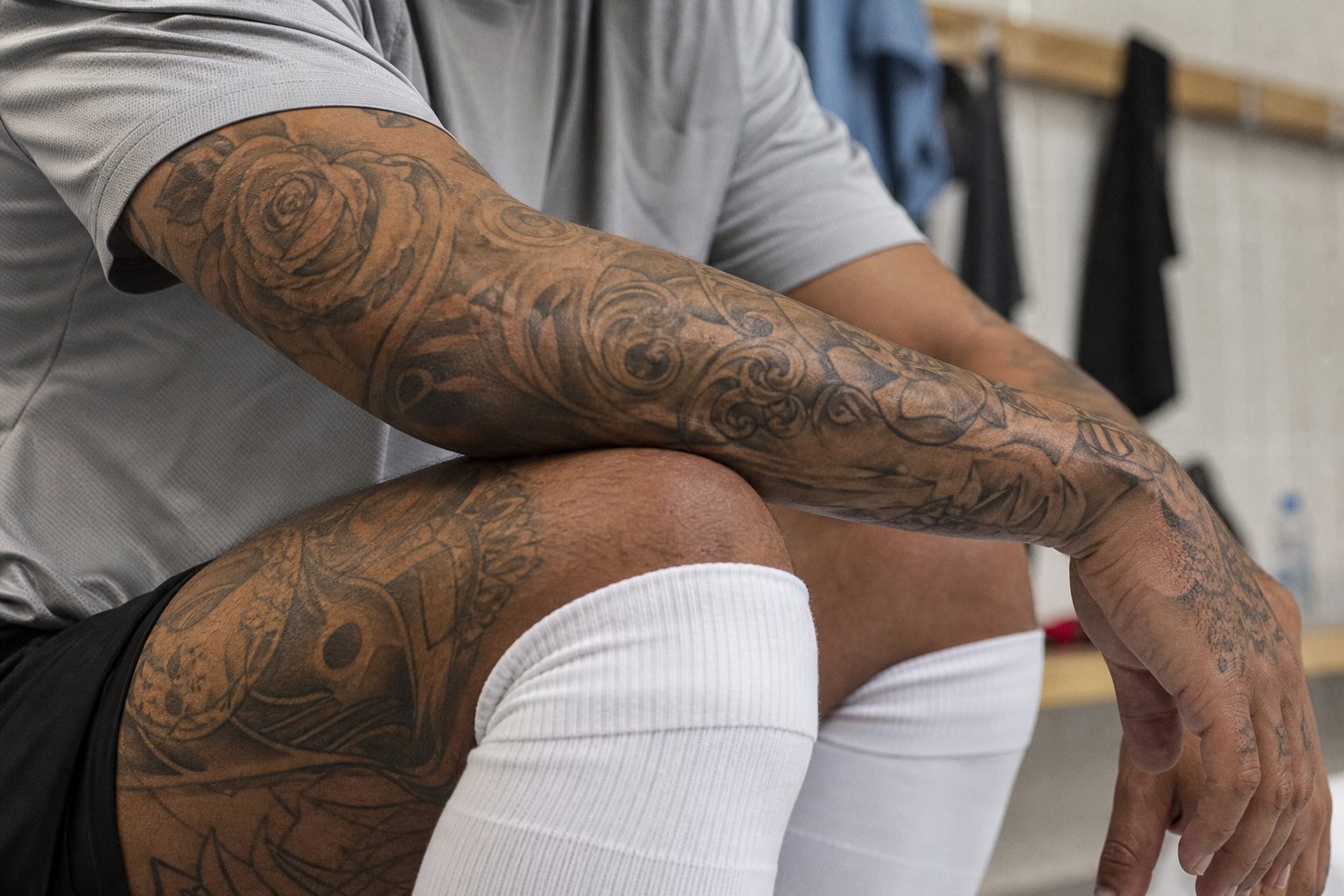
Watch a match from the 1970s and the arms on show are almost all bare. Watch one now and it can be hard to find a starting eleven without at least one full sleeve. Footballers' tattoos have travelled from the margins of the game to its very centre in little more than a generation, and the change says a lot about how players see themselves and how they want to be seen.
When ink was rare
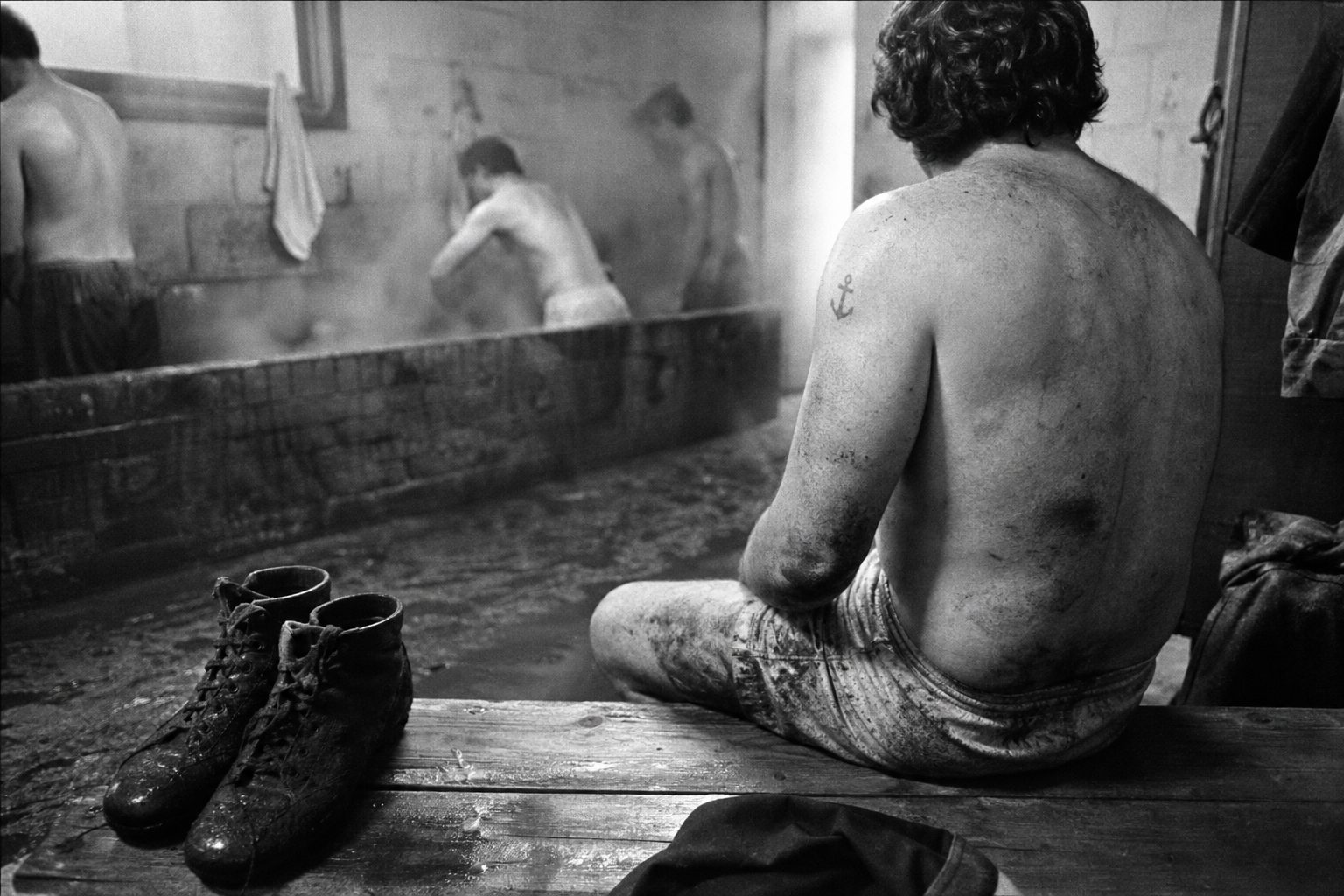
In the post-war decades tattoos in Britain were largely associated with sailors, soldiers and the working-class hard man. A few footballers had them, usually something small and personal done in a seaside parlour: an anchor, a swallow, a name. They were not a style statement and rarely attracted comment. Players of that era were more likely to be judged on their sideburns or the length of their shorts.
Clubs were conservative too. A visible tattoo could suggest a lack of discipline to a manager of the old school, and the professional footballer of the 1960s and 1970s was expected to look respectable in a club blazer.
The Beckham effect
The turning point in Britain is usually traced to David Beckham. From the late 1990s onwards he added tattoos steadily: the names of his children, his wife's name written in Hindi script, religious images and much more. Because he was the most photographed footballer in the world, every new piece became a news story, and young players began to copy him in the same way they copied his haircuts.
By the 2010s the fashion had spread across European football. Portugal's Raul Meireles became almost as famous for his heavily inked body as for his midfield work at Liverpool and Chelsea. Lionel Messi, for years without a tattoo at all, later added several, including a portrait of his mother.
Tattoos had become part of the job description. Tighter, shorter-sleeved shirts showed far more of a player's arms than the baggy kits of the 1990s, and television close-ups did the rest. For a young professional, the ink became as much a part of the public image as the boots or the goal celebration.
Meaning, memory and the odd misfire
Many players use tattoos as a record of the people and moments that matter to them: children's names and birth dates, the faces of parents, religious verses, the outline of a trophy. Others are less sentimental. Some tattoos are simply decorative, a way of carrying a personal style onto a pitch where everyone wears the same kit.
One of the more memorable uses of football ink was temporary. In 2015 Zlatan Ibrahimović took off his shirt after scoring for Paris Saint-Germain to reveal the names of people affected by hunger, written across his torso as part of a campaign for the United Nations World Food Programme. The names washed off; the gesture got more attention than most permanent tattoos ever will.
Not everything works out so well. Misspellings, unfortunate translations and tributes to former partners are a regular source of amusement for tabloid picture desks, and more than one player has found that a tattoo celebrating a club does not age well after a transfer to its rival.
More on football style
Before tattoos, football's main form of self-expression grew on players' faces, as a top ten of football facial hair demonstrates, and the same theme returns in the facially fuzzy player sticker quiz. For the footwear side of football fashion, try a review of the Nike Mercurial Vapor 2 boots.
Players with an image all their own appear in the profile of Neil Ruddock, one of the great characters of the 1990s, and in a pictorial analysis of Carlton Palmer, whose long legs drew more attention than any ink could.