 ThreeMatchBan
Footballers have always liked cars. A decent car was one of the first visible rewards of professional football, long before the wages of the Premier League era, and the training-ground car park has been a showroom for as long as there have been training grounds.
By the late 2000s the default choice was obvious. The Bentley Continental GT, built in Crewe, had become almost a uniform for the top flight, so common outside the gates of clubs in the north-west that a plain black one hardly drew a second glance. For some players that was the problem. If every team-mate drives the same car, how do you stand out?
The age of the wrap
The answer, for a few, was customisation. Matte paint, colour-changing wraps, chrome or gold wheels, tinted windows, stitched headrests and personalised details turned luxury cars into rolling statements. Specialist garages in Cheshire and beyond did a roaring trade, and the rich commuter villages south of Manchester became a parade of custom paint.
Some of the results were striking. Many were simply strange. A car designed by people who spend years getting the curve of a wing just right would come back from the workshop looking as if it had been decorated by a child with a set of felt tips.
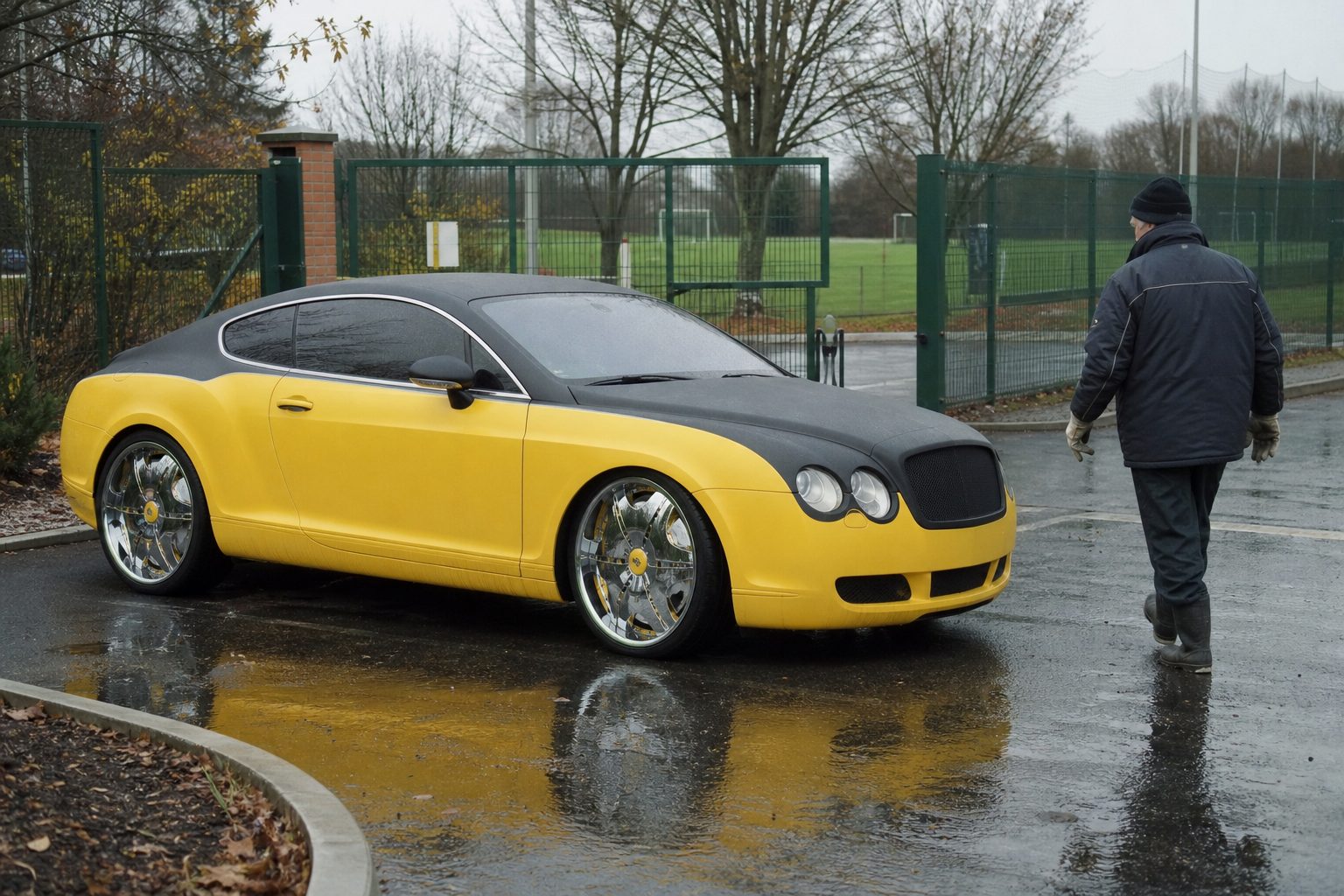
That was the fate of the car that earned this week's award in October 2009: a customised Bentley, reworked so thoroughly that the original lines were hard to make out under the paint.
An Airfix kit gone wrong
The best verdict came quickly. An onlooker called Tom said it looked like an Airfix kit paint-your-own Bentley gone wrong, which is about as accurate a description as anyone could give.
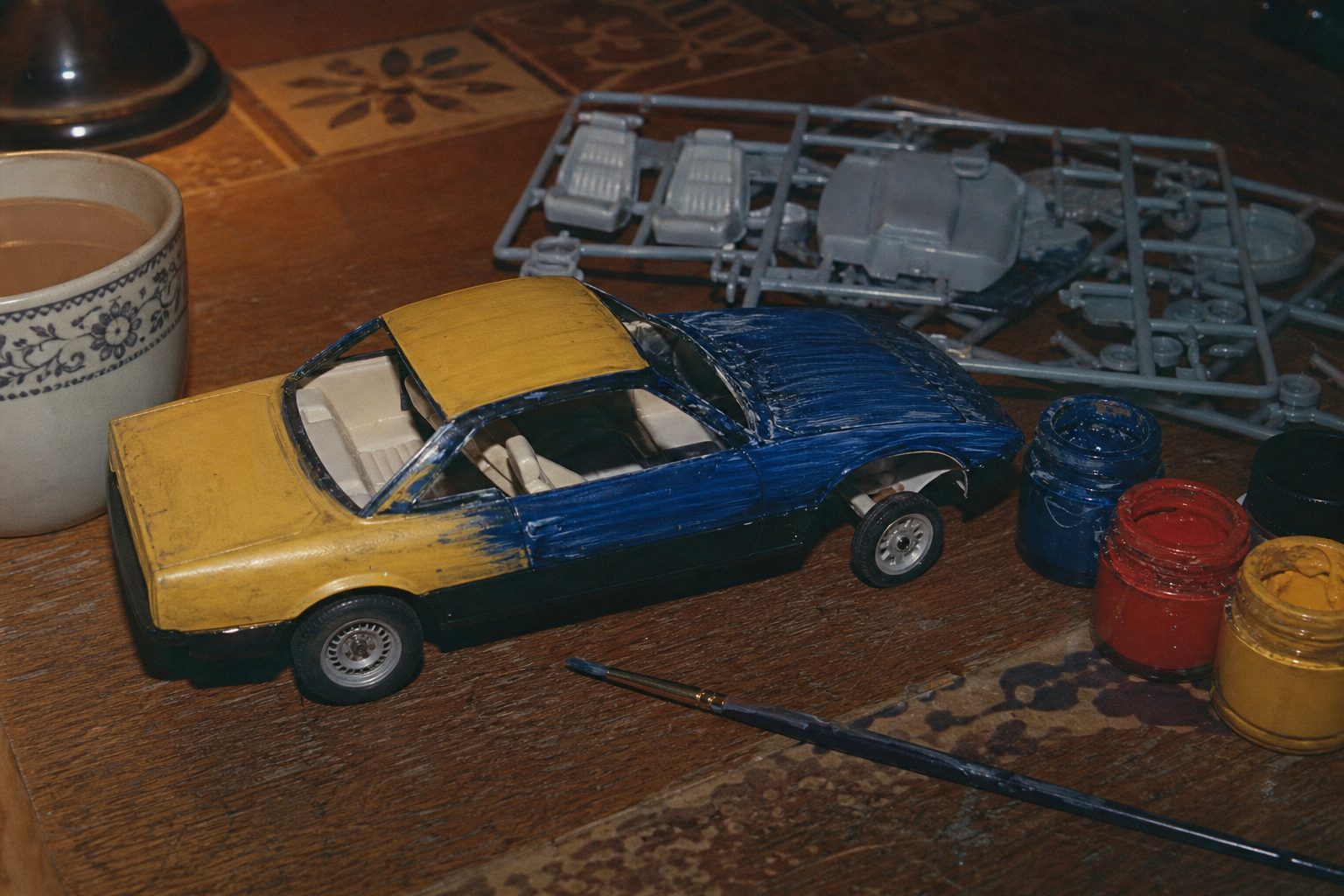
Anyone who built model kits as a child will recognise the image: the plastic parts still on the sprue, the tiny pots of enamel paint, the brush that was always slightly too thick, and a finished model with the colours bleeding into each other. Spending a six-figure sum to achieve the same effect takes a special kind of confidence.
The verdict did not go unanswered. A friend promptly reminded Tom of the time he had pimped up his own Skoda, proof that bad taste in cars is not limited to people earning tens of thousands of pounds a week.
Why footballers keep doing it
It is easy to laugh, and it is meant to be. But the impulse is understandable. Footballers are young men with large incomes and plenty of spare afternoons, living in a world where image is part of the job. Many come from backgrounds where a flash car is the clearest sign of having made it. Boot deals, sponsorship and the kind of football advertising that once had Kevin Keegan and Stanley Matthews selling products all encourage players to think of themselves as brands.
A customised car is a cheap way to be noticed in a dressing room full of millionaires. It also guarantees a picture in the Sunday papers, which is not always the kind of attention a player wants.
The chump tradition
The idea of a weekly chump is simple: pick the footballer whose off-field decision made the rest of the country wince. Cars are a reliable source. So are haircuts, nightclub stories, tattoos and ill-judged interviews, and Ashley Cole has also held the chump of the week title.
There is a gentler side to football and its vehicles too. Lower down the leagues, the stories are less about Bentleys and more about players and fans who have to make do, the spirit behind the tale of Tranmere and a second-hand bike for sale.
The custom Bentley of 2009 has probably been resprayed by now, sold on or quietly returned to factory colours. The Airfix comparison, on the other hand, will last forever.