 ThreeMatchBan
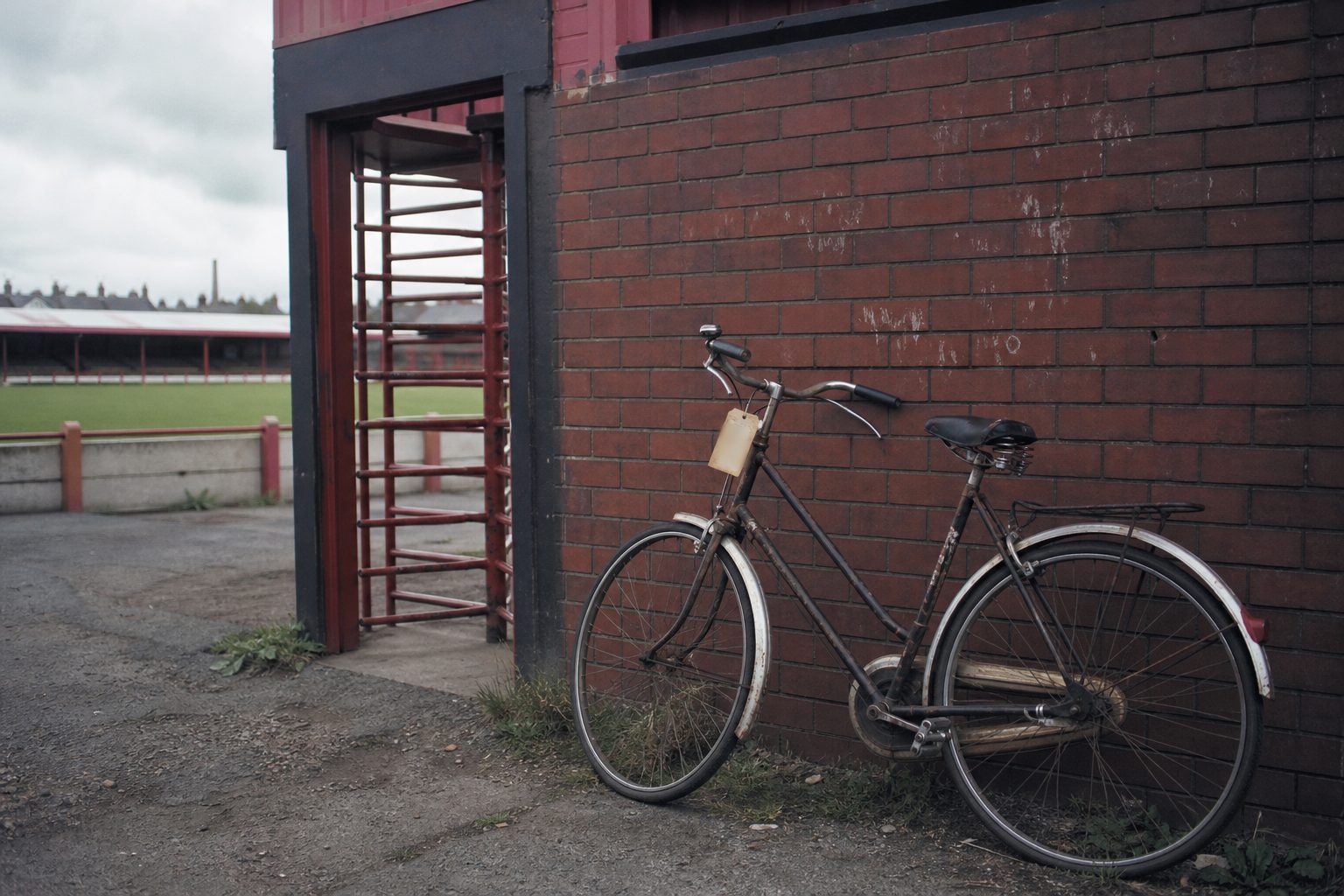
Lower-league football is often treated as the poor relation of the Premier League, starved of the attention and the money that its wealthier sibling enjoys. Supporters of clubs in the three divisions below will insist that plenty of good football is played down there, and they are often right. But in the summer of 2009 one of those clubs found itself in the national news for an altogether stranger reason. Tranmere Rovers had been put up for sale on eBay.
Listed between the lawnmowers
Tranmere were in League One, the third tier, and their owner, Peter Johnson, the former Everton chairman, had brought in a US firm called Dornoch Capital to find a buyer. Dornoch's chosen method was to list the club on the online auction site, alongside the usual run of unwanted household goods, with an asking price of around $10 million.
Lazy as it looked, it did get the club noticed. News of the sale reached a national audience within days, so in a narrow sense Dornoch had done the job of advertising it. Johnson, though, was horrified. "It's not a second-hand bike we're selling," he said. "We were appalled. It's totally inappropriate. We immediately e-mailed them and said 'take it off right away'," he told the BBC.
The sales pitch
To tempt bidders, the listing promised the potential for "revenue growth" through sponsorship and "upgrading the fan experience", and pointed out that the club had no debt. That last point was genuinely attractive at a time when many clubs were drowning in it. The rest was harder to sell.
The obvious questions followed. Who keeps ten million dollars handy in their online payment account? Did anyone really expect an oil tycoon to buy a football club without seeing it first? And why was the only picture on the listing the club badge, as if there was nothing else at Prenton Park worth photographing?
The whole thing would have been easy to dismiss as a hoax had Johnson not confirmed it himself. He admitted that eBay was not the place to attract the right kind of buyer, and then let slip a revealing line about his own approach to selling: "I'm not trying that hard." Perhaps, critics suggested, he might have tried a little harder to find a better agent.
What happened to Tranmere
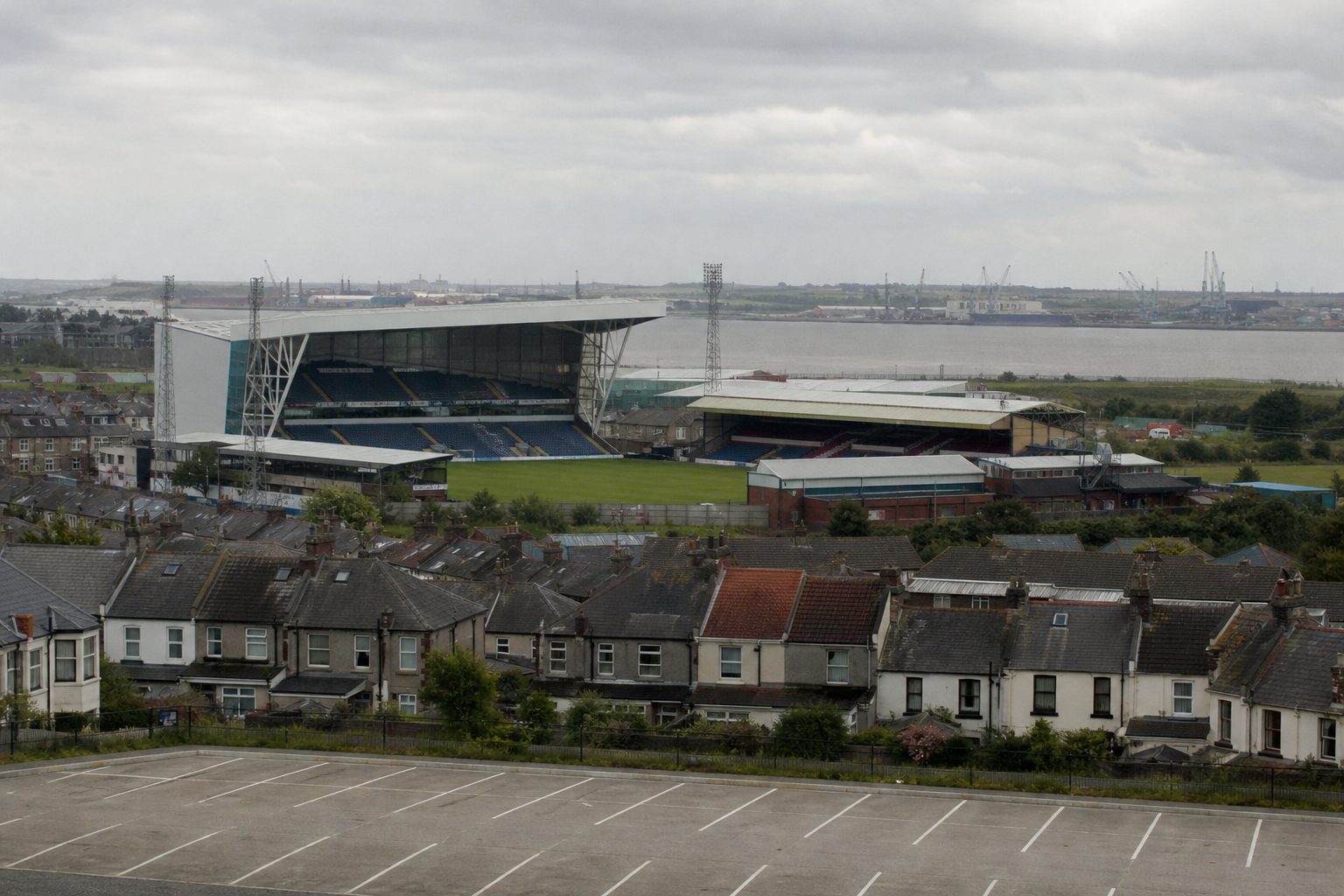
The listing came down and no ten-million-dollar buyer appeared. Johnson stayed in charge for another five years, during which the club's position slowly worsened. In 2014 he sold Tranmere to Mark Palios, the former chief executive of the Football Association, and his wife Nicola, but the decline had too much momentum. Tranmere were relegated from League One in 2014 and from League Two in 2015, dropping out of the Football League for the first time since joining it in 1921.
The recovery was a long one. After three seasons in the National League, Tranmere won the 2018 play-off final at Wembley against Boreham Wood to return to the Football League, and a year later beat Newport County in the League Two play-off final to win a second successive promotion. The 2019–20 season was cut short by the pandemic, and Tranmere went back down to League Two on points per game.
It is a reminder of how quickly a lower-league club's fortunes can change, and of how little a clever listing really matters compared with the slow work of running a football club well. Clubs at this level have been sold for a pound and bought by consortiums of fans, and the honest answer is that the right buyer rarely comes through an online auction.
The bicycle line, at least, has aged well. As far as anyone knows, no second-hand bikes have yet been sold with a football club attached.