 ThreeMatchBan
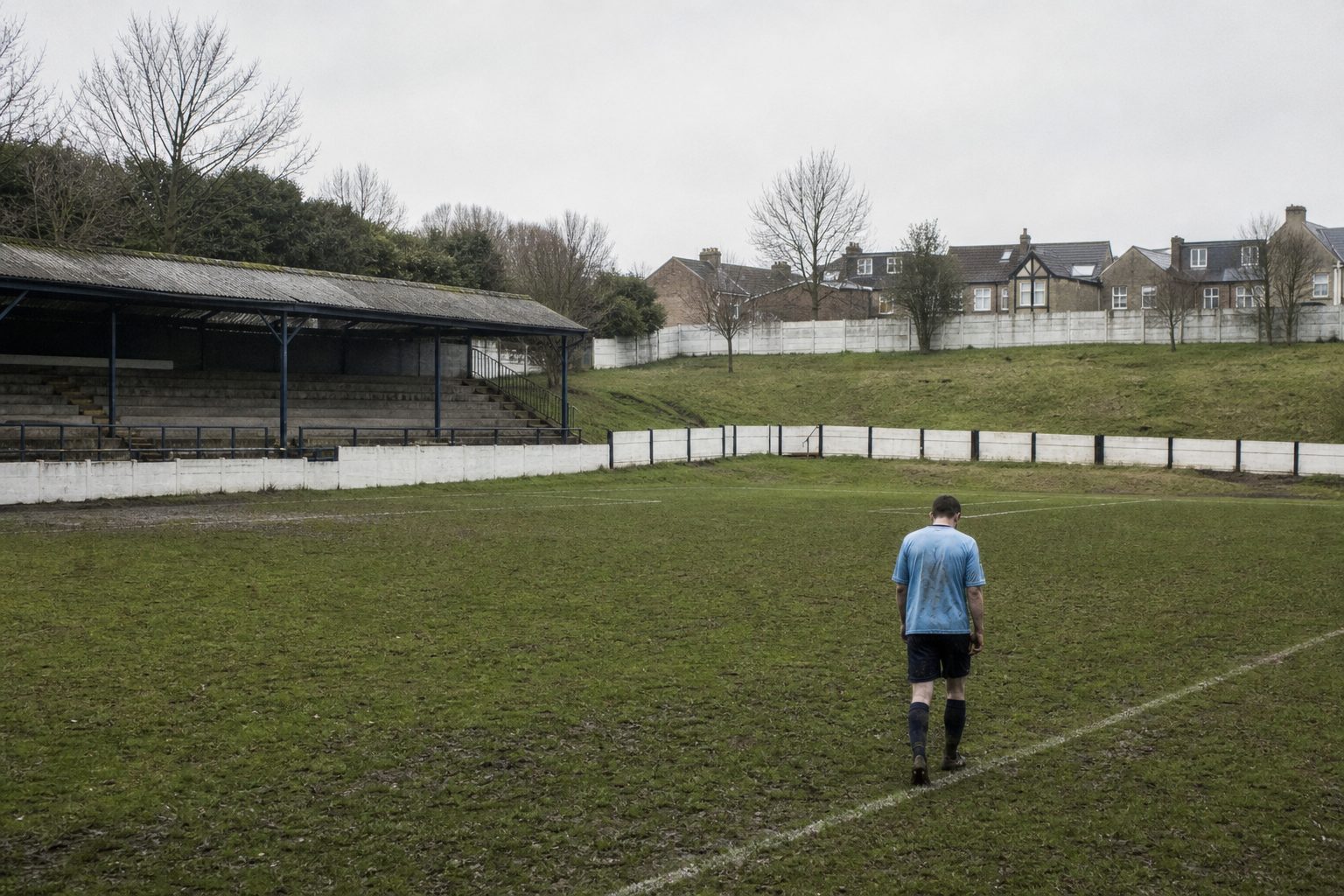
Unemployment is not a word that belongs to top-flight football. A Premier League player out of contract is, in most cases, in a strong position: a bumper signing-on fee and a bigger wage, funded by the transfer fee the new club no longer has to pay.
The wages at the top of the European game mean most players never fear a dwindling bank balance or bills piling up on the kitchen table. Being a Premier League footballer can look like it is beyond work as most people know it. Below that level, though, the picture is very different.
Far from Super Sunday
Away from the glamour of the top flight, the game looks far more familiar. Players are still living the dream of being paid to kick a ball, but their lives are much closer to those of the people watching them, and they share the same fear of losing their job.
Most professional footballers in Britain carry the same responsibilities as everyone else, personal and financial. Mortgages, children and car payments do not care how many appearances a midfielder made last season.
That squeeze was felt in the summer of 2011 by Glen Southam. Aged 31, he had captained Barnet in League Two through 2010–11. When his contract expired, he was out of work.
Supporters rarely see this side of the game. Beyond a spell running Barcelona on Football Manager, few fans know how a player actually finds a new club. At League Two level the process is a good deal messier than any computer game, as the former England C international explained when he talked it through.
A broken promise at Underhill
Southam is careful with the language. Asked about being “released”, he politely pointed out that his contract had simply expired. The word matters to players. Released implies rejection; an expired contract is just the end of an agreement. As the conversation went on, though, it became clear that his exit from Barnet was a lot thornier than a handshake and a thank you.
He was one of several players let go that summer, and he had been led to believe his place was safe. “It was a bit of a broken promise really from their point, which I wasn't too happy about,” he said.
“Last year [Barnet] didn't do too well as a team, but as a person over the period of games that I played, obviously I was out injured for the last 10 or 11 games of the season, but before that being captain playing every other game I actually had a decent enough season on a personal level, so it was quite strange to be honest.”
Barnet finished 22nd, one place above the relegation zone, and the managers came and went at the compact Underhill ground. A long injury did not help his case when it came to renegotiating.

When the chance came to show what he could do, he took it, even if it meant playing through pain. “It wasn't too straightforward, as there was a lot of change at Barnet last year and obviously Lawrie [Sanchez] came in when he did and I was out injured at the time and I wasn't fully fit,” he said. “I played in a game against Oxford and to be honest I'll hold my hands up, I just wanted to do whatever I could to help the team stay up, and if I was called upon and needed at the time, albeit it probably wasn't right that I played, I still did, but I sort of put my neck on the line.”
Waiting on a phone call
Southam had been a free agent before, and he was pragmatic about it. “It's just one of them unfortunate things, I think it came down to my wages at the end of the day, as they basically said that because I was one of the highest earners the club couldn't afford to pay them in as many words, so that was how it worked,” he said.
“Take it as you want it, that could be anything. That could be just their way of saying they didn't want me, but if you speak to a lot of people in and around the club there were a few people who weren't particularly happy with how I was treated, to be honest with you.”
Premier League players begin to shift uneasily 18 months before a contract runs out. Players in League Two rarely have that luxury. For Southam there was no grand renegotiation, no agent in a hotel lobby, no deal stuffed with bonuses and release clauses. There were face-to-face chats and verbal assurances, and then something much simpler and much colder.
“It was a case of waiting on a phone call.”
That is accepted as an occupational hazard in the fourth tier. “They have a time on their contract where they can leave it two weeks before they have to notify you on whether they're taking up the option on you or not,” he explained. As a local man, born in Enfield, he found the manner of it hard to take. “Being a local club and having a good relationship with the fans, all the staff, it was a bit of a bitter pill to swallow.”
“Getting the phone call on the Friday before the two weeks is up, it's just… I don't think it was done in the right manner, and I'm not the only one, there are a few [at Barnet] that it's been done to.”
Waiting until the very end of a long season to learn whether there is a job next year would test anyone. Training on after the contract has run out, effectively on trial at the club he had captained, must have tested him more. “I'd spoken with the chairman and I'd spoken with other people and it was a case of we'll have a sit down and we'll sort your contract out in the next couple of weeks, and then I receive a phone call basically saying no, we're not going to sort it out and this is the reason why,” he said. “That sums up the whole year for me.”
Five managers in one season
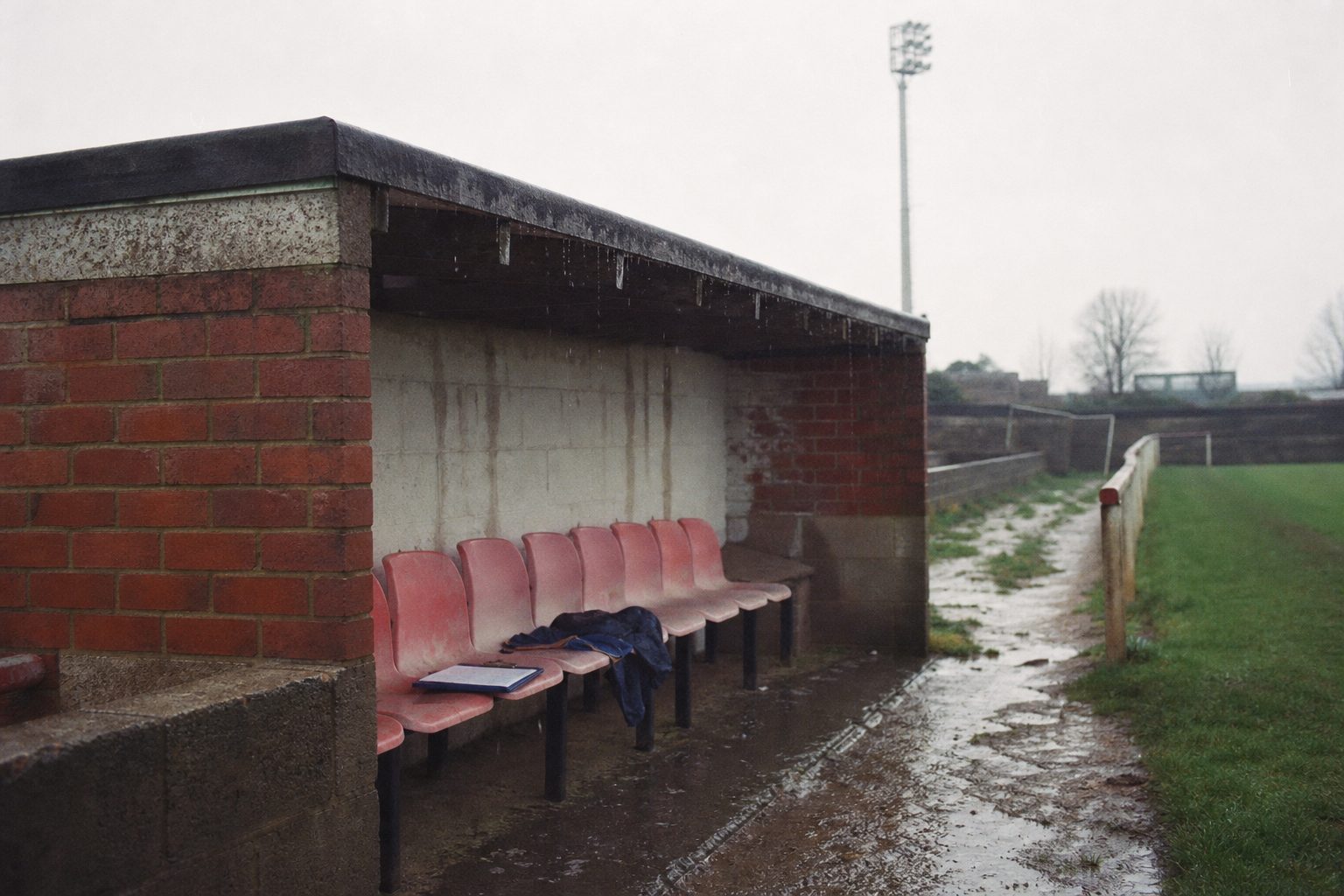
The chaos at Underhill made everything harder. Mark Stimson started the season in charge. Paul Fairclough stepped in as caretaker, Martin Allen returned to the club and then left for Notts County after only three games, and Giuliano Grazioli filled in before Lawrie Sanchez, the former Northern Ireland manager, took the last few matches and kept Barnet up on the final day. Five different men led the team in one season.
“There was so much of last year that wasn't right off the pitch and I don't want to go into that,” Southam said. “It's a lovely club and I'd never speak badly about it. It's just the way that things were done and run was not how professional football people should run a club. But that's the problem you get these days in football where a lot of clubs are run as businesses, so you have to live by it, and sometimes football can be a cruel game.”
Supporters say that after a last-minute own goal or a star player joining a rival. It is rarer to hear it from a player about the business side of the game. Anyone who knows the old ground will recognise the closeness described in a piece on football at Barnet, and it made the manner of his departure sting more.
Trials, Aldershot and the south coast
“I didn't look for another club at all, because as far as I was concerned I was going to be at Barnet. That's what I was led to believe and told, so that's how I left it.”
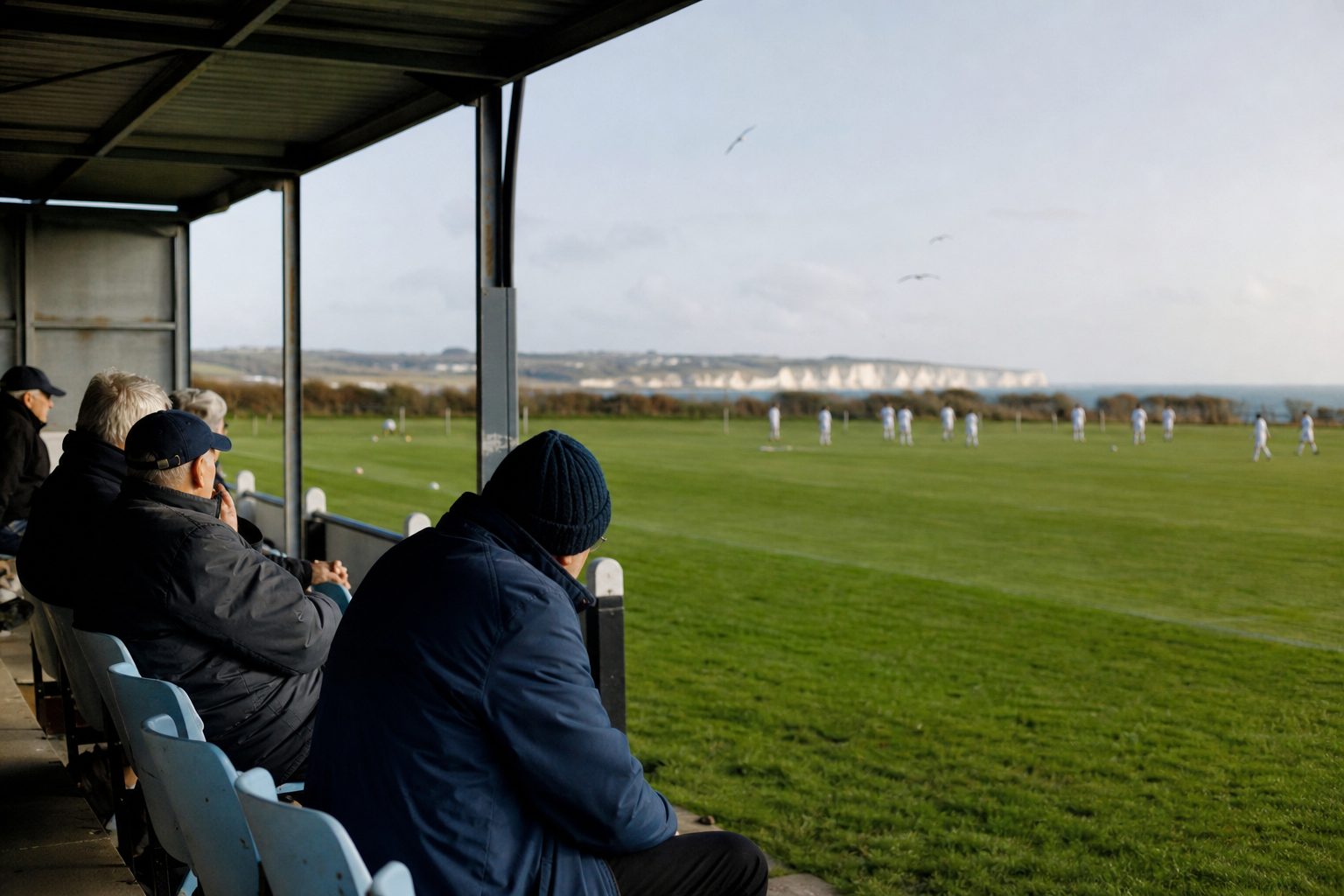
Like many in his position, he could have changed career. The pull of playing for a living won. A call from Aldershot manager Dean Holdsworth led to a trial with Barnet's League Two rivals, but no deal was agreed. In late August 2011, Blue Square South side Dover Athletic announced that Southam had signed a one-year contract.
Premier League players who find themselves without a club can face a bump back to the real world. Southam never left it. He found security on the south coast, but only for one more season, with the same uncertainty waiting the following summer. Out-of-contract players at every level are a summer ritual, as the free transfer XI of 2012 shows, and the lower divisions' finances are picked apart in a piece on rewarding relegation.
This article first appeared on the Football League blog http://thetwounfortunates.com/ .