 ThreeMatchBan
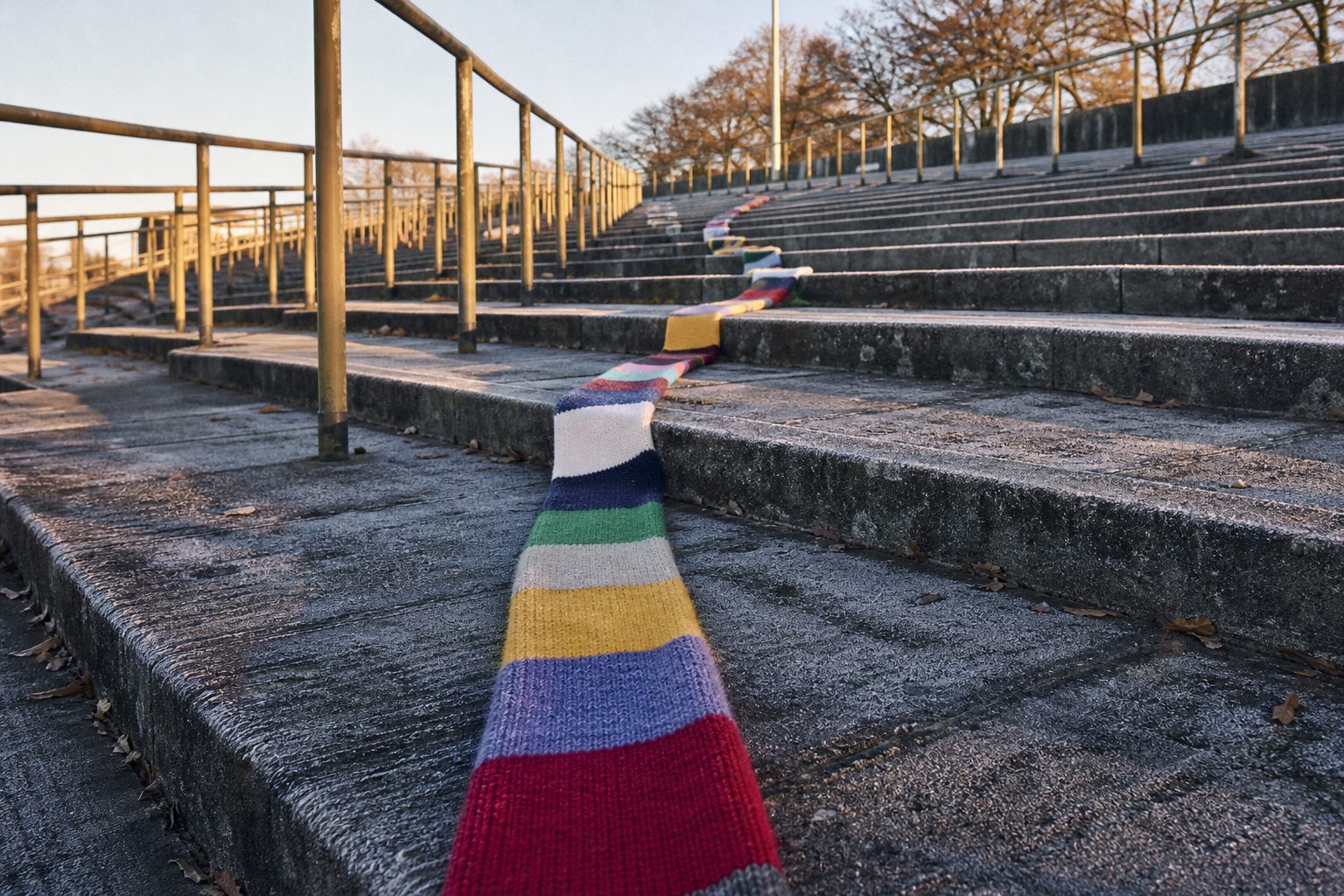
The humble scarf has been a symbol of football support for generations, even if its place on the terraces and in the stands is not quite as dominant as it once was. In October 2011 EA Sports decided there was no more potent sign of loyalty than this most practical accessory. To celebrate the launch of FIFA 12, the company set out to create the world's longest football fan scarf.
The idea was simple. Supporters would submit a message for their club, and those messages would be stitched into one enormous scarf alongside thousands of others.
How the scarf competition worked
Before the public campaign opened, two readers were offered an early place on the record-breaking scarf. The rules were short. Each message of support had to be under 140 characters, the length of a tweet at the time, and had to avoid the sort of language heard from the back of the stand. Entrants sent their name and a choice of scarf colour, and the deadline was 10am on Wednesday 26 October 2011, with two favourite messages picked out.
Anyone who missed out had a second chance. The wider campaign opened to the public from 28 October, and updates on how to take part came through @EASPORTSFIFA on Twitter, which by 2011 had become the quickest way for game publishers to talk to their players.
FIFA 12 itself
The game being promoted was a significant release in the series. FIFA 12 arrived in Britain at the end of September 2011 and changed the way defending worked, replacing the old press-to-tackle approach with a system that asked players to jockey, contain and time the challenge. It also introduced a new physics engine for collisions between players, which produced some memorable bugs alongside more realistic tackles.
The annual rivalry with Konami's Pro Evolution Soccer was still alive, though FIFA had taken the upper hand by then. Older gamers will remember the years when the balance ran the other way, as recalled in a look back at International Superstar Soccer 64. EA's licence with football's governing body ended after FIFA 23, and the series continued from 2023 under the name EA Sports FC.
Why the scarf still matters
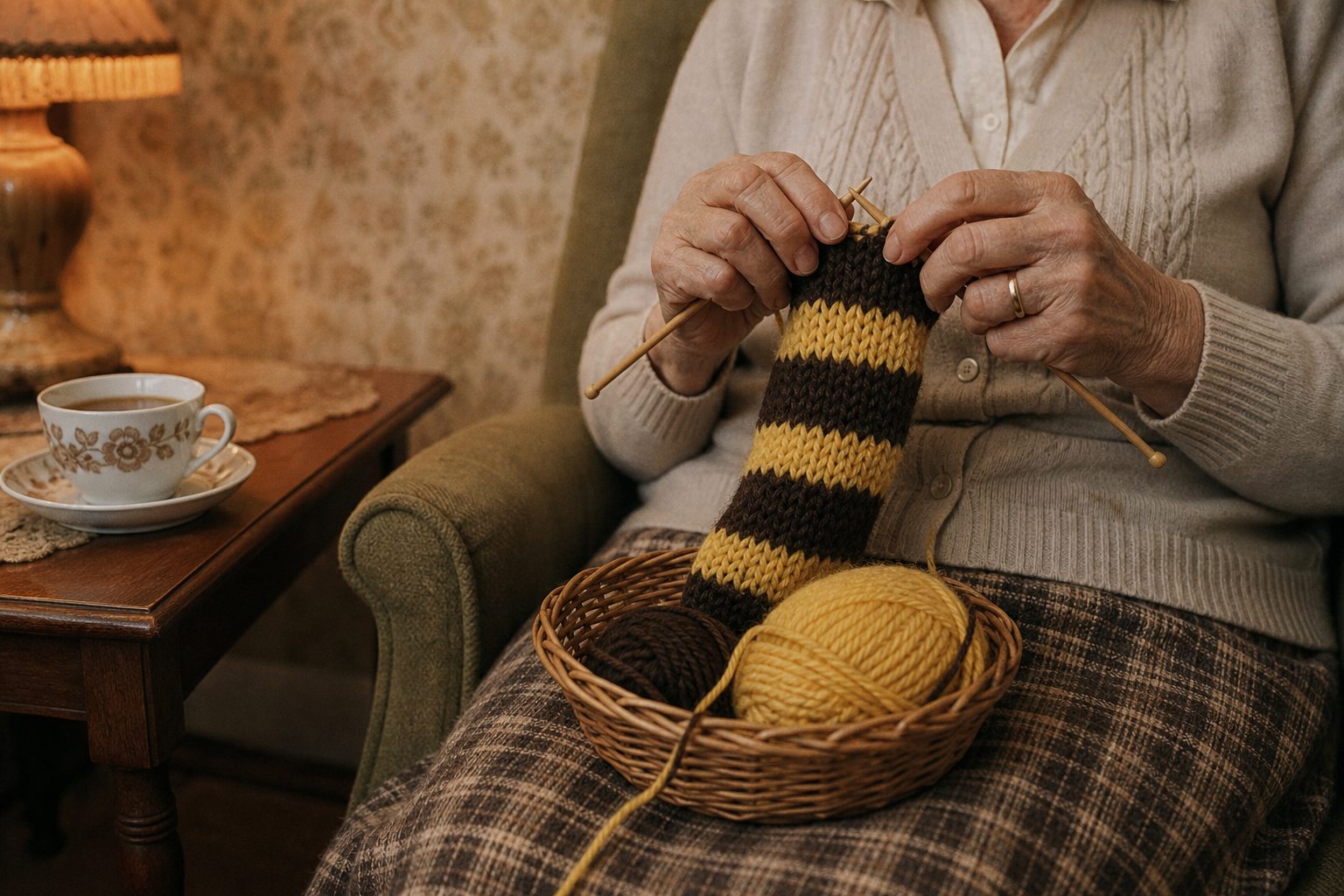
A record attempt built on knitwear might sound like an odd marketing hook for a video game. It made more sense than it seemed. For much of the twentieth century the bar scarf, knitted in club colours, often by a mother or grandmother, was the standard uniform of the British supporter. Replica shirts only became everyday matchday wear from the 1970s onwards, when manufacturers began selling copies of the kits worn on the pitch.
The scarf did several jobs at once. It kept out the cold on an open terrace in January. It told everyone on the train or the bus which side the wearer was on. And when held above the head with both hands during an anthem, it turned a stand into a wall of colour. Liverpool's Kop singing "You'll Never Walk Alone" under a sea of raised red and white scarves remains one of the defining images of British football.
Fashions changed. The silk scarf, tied around the wrist, had its moment in the 1970s. Later came the half-and-half scarf, sold outside grounds for big European nights and derided by traditionalists as a souvenir for tourists. Yet the plain bar scarf never quite disappeared, and many supporters still own one that has done decades of service.
A record for the fans
Turning messages from thousands of supporters into a single, very long scarf captured something real about following a club: the sense of being one small stitch in a much larger thing. It also cost the entrants nothing beyond a few words of loyalty, which kept the whole exercise in the spirit of the terraces.
Supporters who prefer to test their knowledge of club colours rather than wear them can try to name the team from the classic shirt. And anyone who grew up trading duplicates in the playground will understand the collecting instinct behind the whole idea, explained in a celebration of football stickers.
No language from the back of the stand was accepted, but a few entrants probably tried.