 ThreeMatchBan
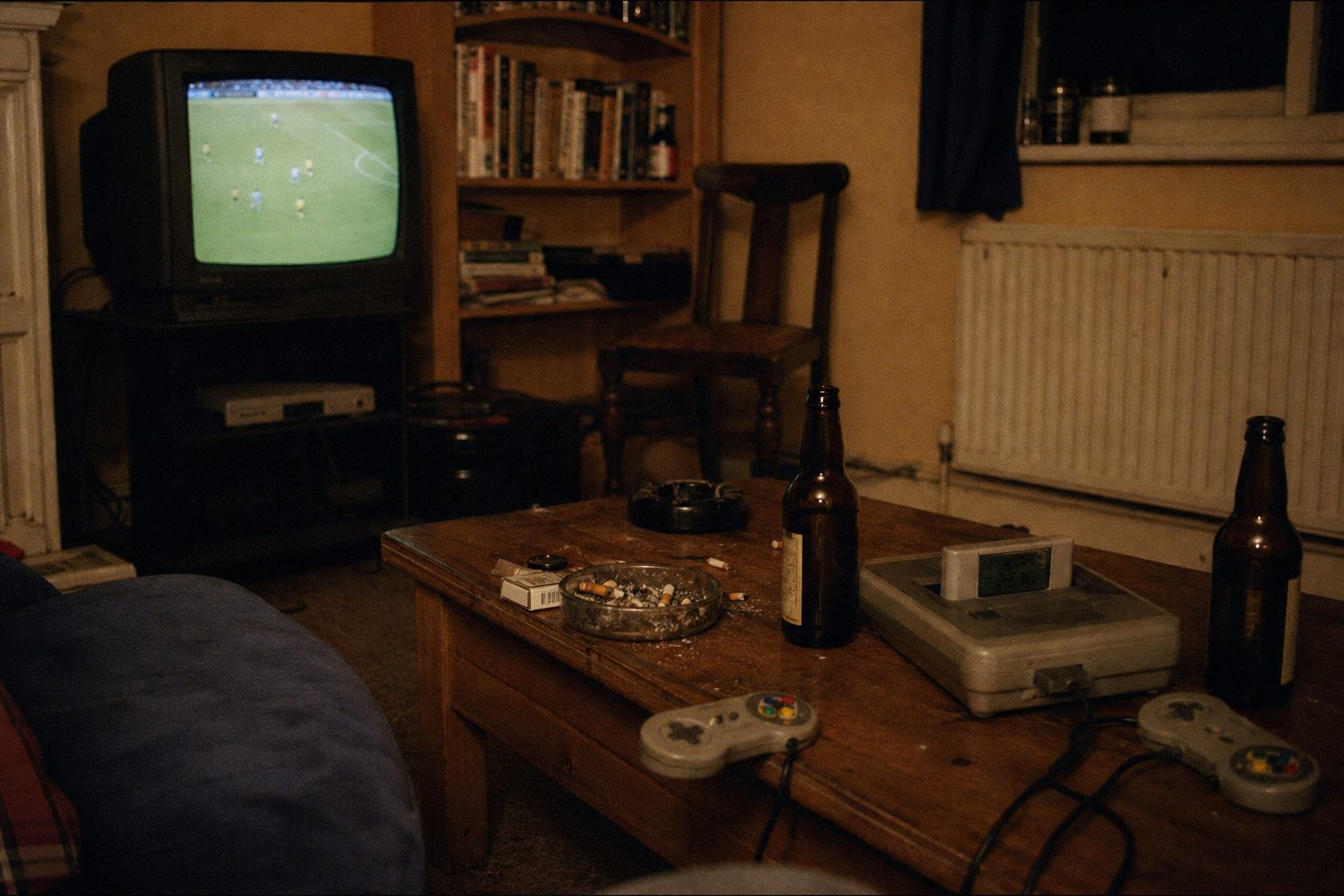
From the moment the cartridge goes in and the announcer bellows the title over an incessant electronic theme, International Superstar Soccer 64 hits with all the noise and excitement of an arcade machine.
Released by Konami for the Nintendo 64 in 1997, ISS 64 seemed to have been scored by a relentlessly upbeat synth band with a weakness for pop hooks. Alongside the music came chunky polygon graphics, sharp-edged and blocky, painting muscular players in bright, bold colours that left little room for shadow.
Graphics and sound from 1997
In 1997 those three-dimensional graphics were a genuine step forward, even though the N64 stuck with cartridges while Sony’s PlayStation had moved to CDs. The overall effect was an assault on the senses that would have fitted comfortably into a noisy seaside arcade.
Much of that came from the commentator, who yelled general descriptions throughout the match. When the action was fast, the commentary fell behind, so he would still be excitedly describing a near miss while the ball was back in the centre circle.
Without the memory to store the anecdotes of a Martin Tyler or an Alan Smith, which some would count as a positive, the game relied on short stock phrases strung together.
- “Defender, to midfielder, to attacker.”
- “There’s a fight for aerial domination.”
- “The battle for control rages on.”
The limits of the system meant passionate yells were often followed by calm statements of fact. “ARGENTINA! Regain possession.”
It gives the game an endearing charm and adds to its chunky, occasionally ungainly arcade feel.
No licence, no problem
At the time, the lack of an official player licence was a real frustration. EA Sports’ FIFA series had the real names, and ISS did not. Instead its national squads were filled with invented names that bore a passing resemblance to the stars of the day, close enough for players to recognise who was meant.
That once looked like a weakness. Now it gives the game a timeless retro quality. Those generic names, with their vague similarity to real players of the late 1990s, are frozen in a moment, and for anyone who played it they map perfectly onto their own favourite era. A real licence would have dated it more cruelly.
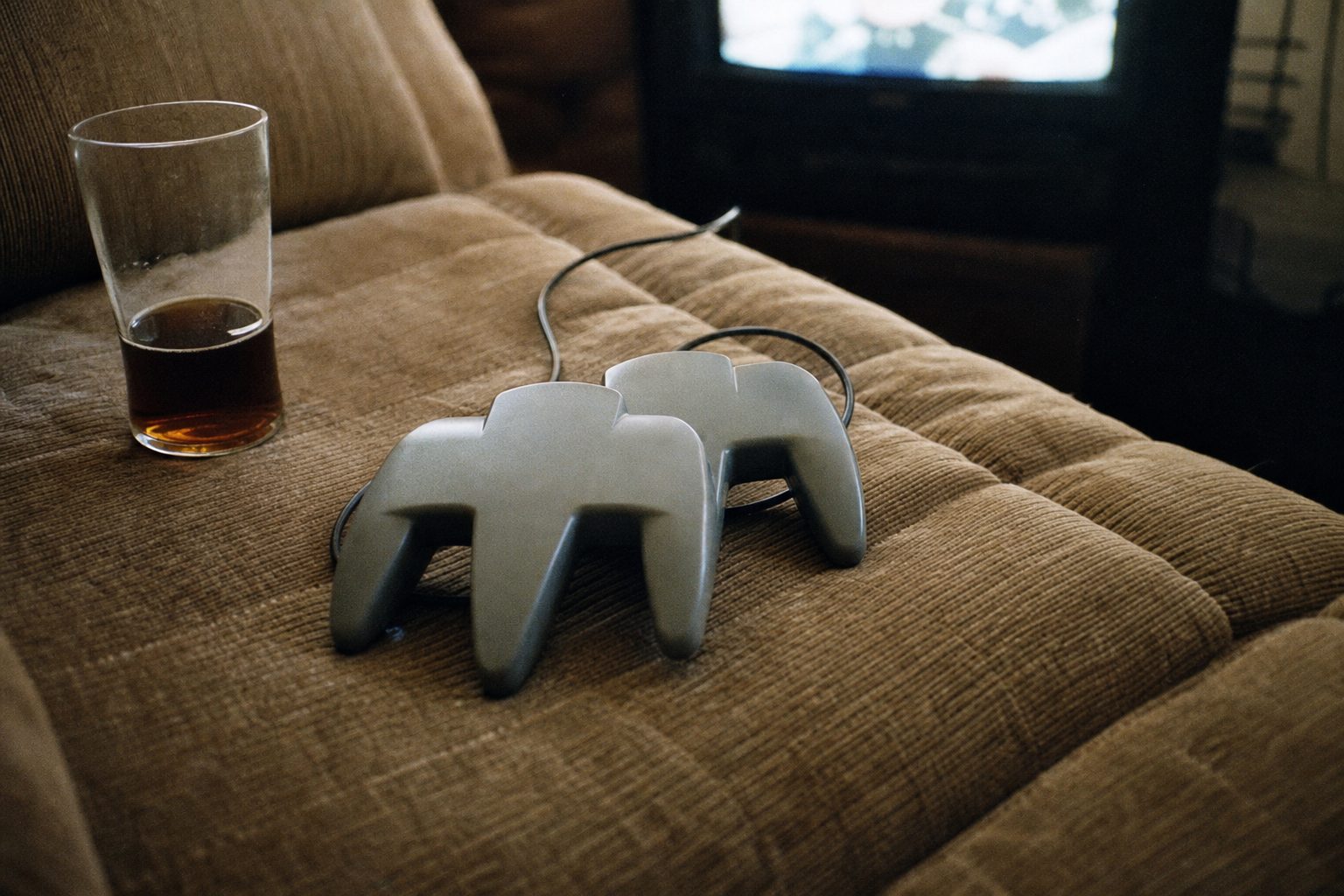
Beyond friendlies and tournaments there was a scenario mode, which set the player the task of recovering from a deficit in the closing stages of a match, often recreating a famous game, and a wonderfully simple penalty shoot-out option that settled many living-room arguments.
How it plays today
The gameplay shows its age. Next to the smooth, almost natural feel of the modern FIFA games, now rebranded as EA Sports FC, it is clunky. But it is so fast that there is little time to notice. Matches flow end to end and goals come in bunches.
What saves it from being just another outdated football simulation is that arcade, cartoonish feel. In some ways its faults are exactly why it remains such good fun.
The family tree
ISS 64 belonged to a family that would go on to shape football gaming for a generation. The follow-up, ISS 98, arrived the next year, timed for the World Cup in France. On the PlayStation, Konami’s parallel line of football games, known in Japan as Winning Eleven, evolved into Pro Evolution Soccer, which spent much of the 2000s as the connoisseur’s alternative to FIFA, beloved for its gameplay even when it still lacked most of the licences.
Those living-room tournaments sat alongside the other screen obsessions of the age. Some players spent their evenings on management games instead, building squads around Championship Manager legends who faded in reality. Others were still rewinding football VHS tapes or catching Japanese football cartoons such as Aoki Densetsu Shoot!
Fifteen years on from release ISS 64 felt like a relic. Nearly thirty years on, cartridges dusted off and plugged into old televisions, it feels more like a time machine, complete with that theme tune, which will not leave the head for days.