 ThreeMatchBan
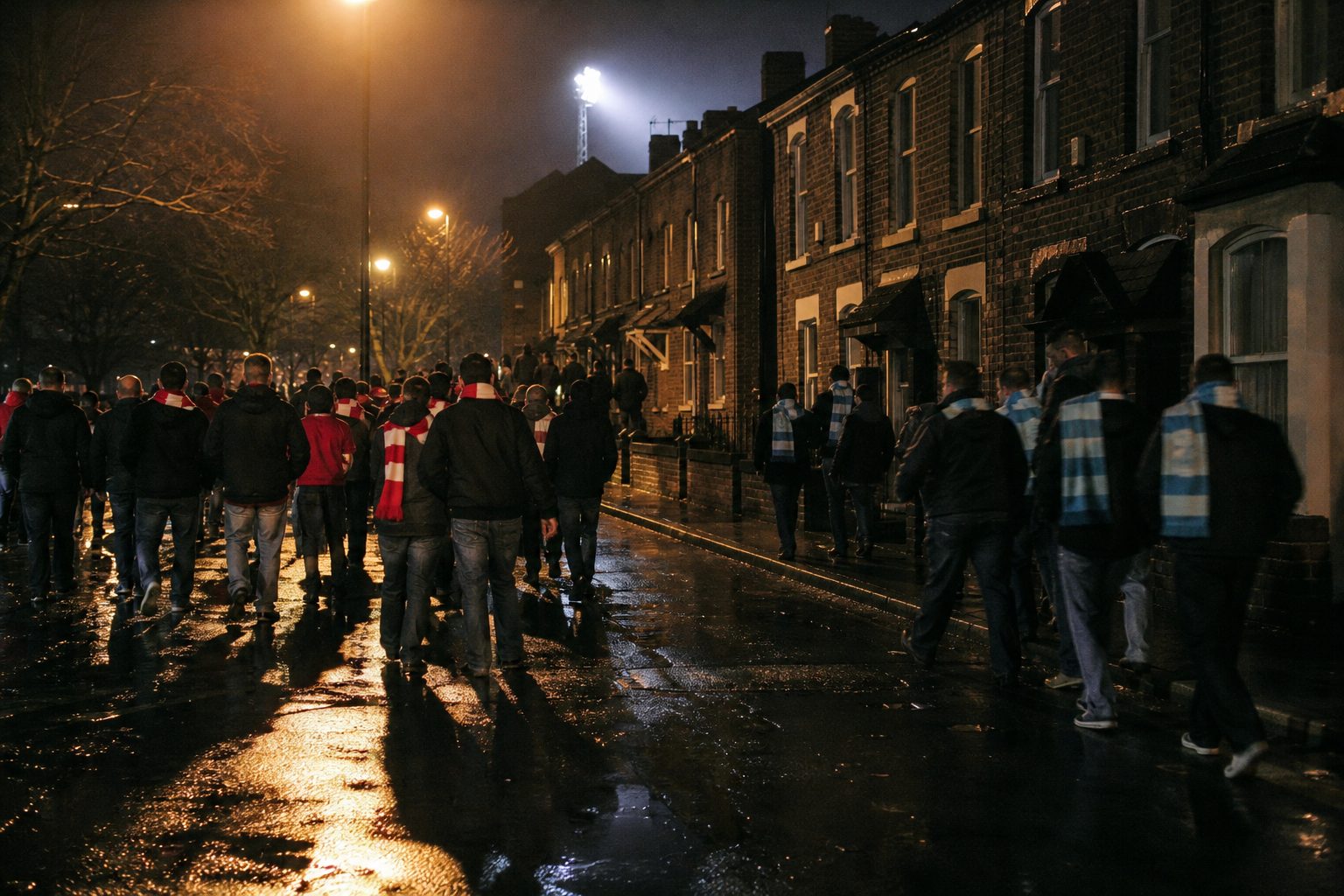
Picking the Premier League champions has rarely felt as treacherous as it did in January 2013. Manchester United were seven points clear of Manchester City at the halfway stage, which in most seasons would have settled the argument. But everybody watching had only just lived through 2011–12, a season that made a seven-point lead look like nothing at all.
The ghost of May 2012
In April 2012 United had been eight points ahead of City with six games to play. They then lost at Wigan, threw away a 4–2 lead at home to Everton and were beaten 1–0 in the Manchester derby at the Etihad. On the final day City needed to beat a relegation-threatened Queens Park Rangers at home and were losing 2–1 in stoppage time. Edin Džeko equalised, and Sergio Agüero scored the winner after 93 minutes and 20 seconds to take the title on goal difference.
It was the kind of plot that would have been rejected as far-fetched in a Hollywood script. It also meant that, at various points in 2011–12, both Manchester clubs had held the sort of lead United enjoyed the following January. No sensible observer was prepared to call the race over, and predictions for the title were made with real caution.
How the race looked at the halfway mark
The case for United was straightforward. Sir Alex Ferguson's side had signed Robin van Persie from Arsenal in the summer and he was scoring almost every week. The idea that Ferguson would let a second big lead slip in consecutive seasons felt unthinkable to most people who had watched him for 26 years.
There were doubts, though. United's defence had been leaking goals all season, often falling behind before rescuing results, and that vulnerability had cost them dearly the previous spring. They were also still in the Champions League, a draw on energy and attention that City no longer had to worry about after finishing bottom of their group.
City, the champions and pre-season favourites in many eyes, had the squad to close the gap. Backing them to retain the title looked risky, but far from crazy. And Chelsea were the outside option, capable of taking advantage if both Manchester clubs stumbled, even in a season in which Roberto Di Matteo had been dismissed only months after winning the Champions League and replaced by Rafael Benítez on an interim basis.
The way fans were following the race
By 2013 the way supporters followed and gambled on football had changed enormously. A punt on the title no longer meant a trip to the high street bookmaker; it could be placed from a phone the moment the idea struck. Online casinos were also edging towards football fans at the time, adding football-themed slot games to their line-ups alongside poker, blackjack and roulette. It was an early sign of how closely gambling firms would come to wrap themselves around the sport, something that has since prompted much tighter rules on advertising and shirt sponsorship in the UK.
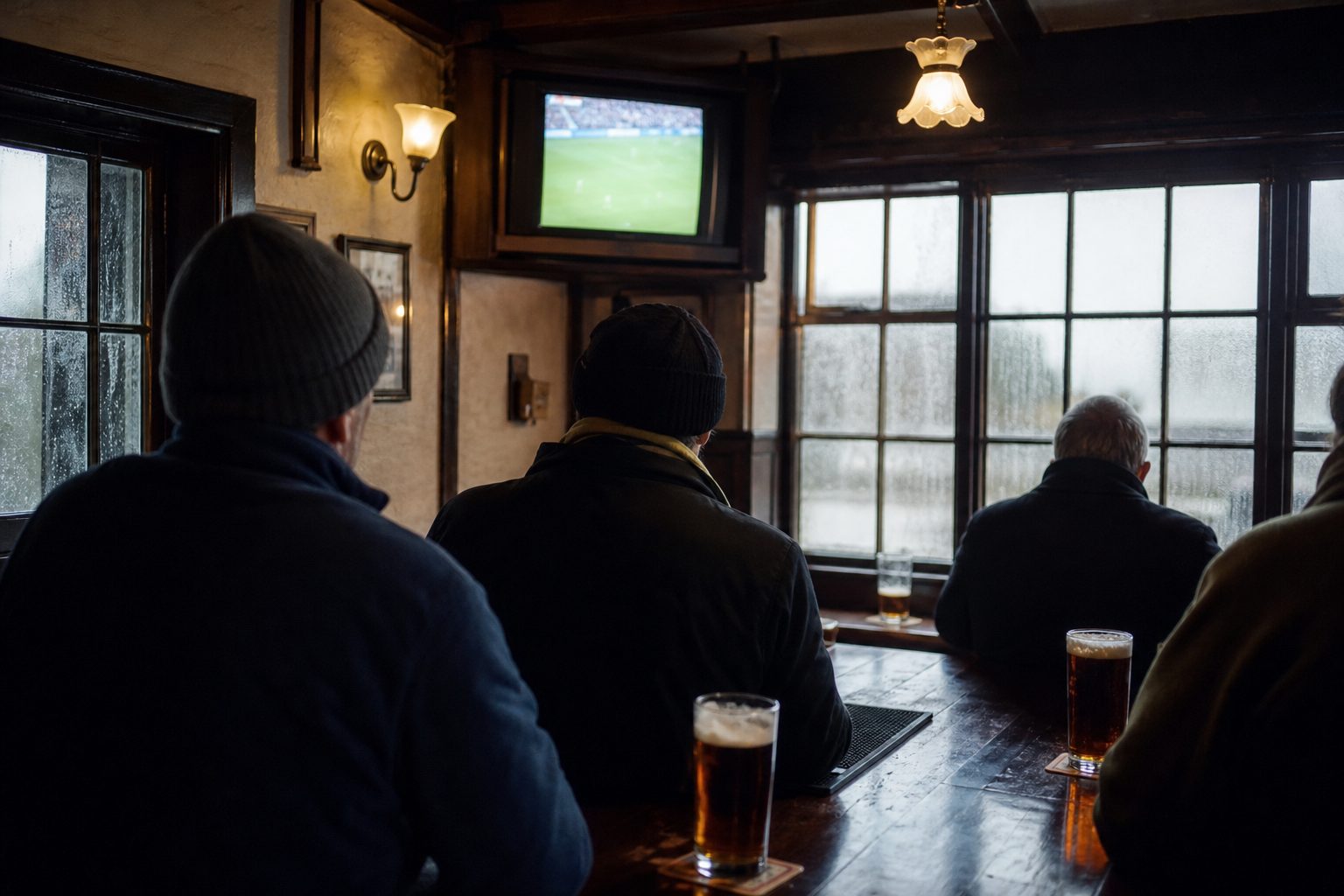
For most fans, though, the title question was simply a source of argument in the pub rather than a financial calculation, as fondly remembered as any title-winning shirt.
How the 2012–13 season actually ended
This time there was no collapse. United never really looked like surrendering their lead and clinched the title on 22 April 2013 with a 3–0 home win over Aston Villa, Van Persie scoring a hat-trick that included a stunning first-time volley from a long pass by Wayne Rooney. They finished 11 points clear of City on 89 points, and Van Persie took the Golden Boot with 26 league goals.
The Champions League turned out not to be a distraction for long. United went out to Real Madrid in the last 16 in March, a tie remembered for Nani's controversial red card at Old Trafford.
City's season unravelled at the end. They lost the FA Cup final 1–0 to Wigan Athletic, who were relegated days later, and Roberto Mancini was sacked shortly afterwards. Chelsea, the dark horses, finished third and won the Europa League by beating Benfica 2–1 in Amsterdam.
The biggest twist came off the pitch. On 8 May 2013 Ferguson announced his retirement, making the 2012–13 title, United's 20th league championship, his last. Nobody betting on the title race in January had factored that in, and in the years that followed few would have predicted how long United would wait for another.