 ThreeMatchBan
Matías Urbano is not a name on the tip of many tongues, even in Chile. In 2011 he was a journeyman striker playing for Unión San Felipe in the Chilean Primera División, a long way from the television cameras of Europe.
That changed after these two clips. Each one shows a rabona goal, and both came in the same season. One would be a career highlight. Two is a habit.
What a rabona is
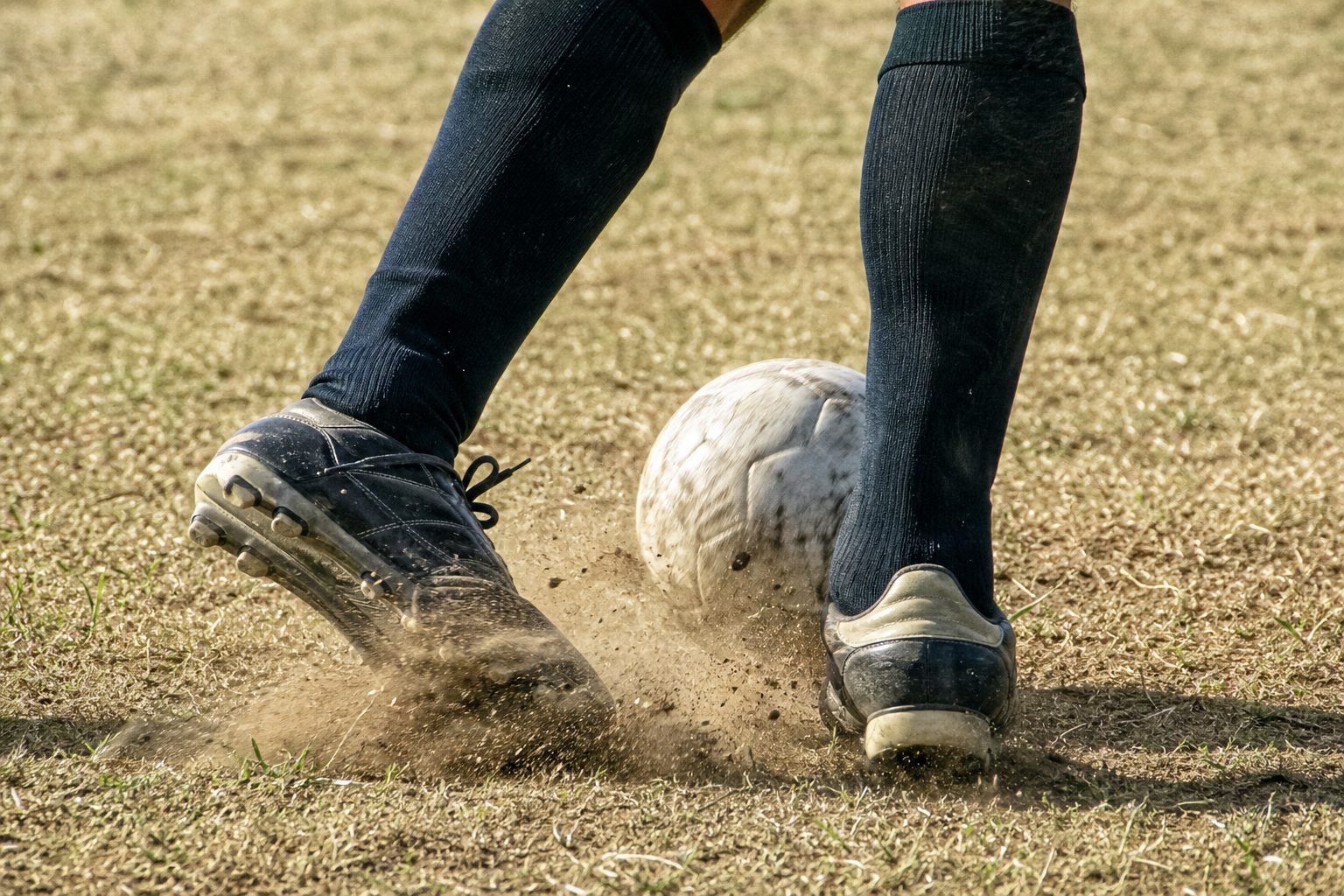
A rabona is a kick in which the striking foot wraps behind the standing leg to hit the ball. It looks ridiculous when it fails, which is often, and spectacular when it works. Players mostly use it for crosses, when the ball is on their weaker side and they would rather not use their weaker foot. Shooting with it is rarer, and scoring rarer still.
The name comes from Argentina. Hacerse la rabona is slang for playing truant, and the usual story traces it to the late 1940s, when Ricardo Infante of Estudiantes de La Plata scored with the technique and the magazine El Gráfico drew him as a schoolboy skipping lessons. True or not in every detail, the label stuck, and it is now used across the world.
Unión San Felipe
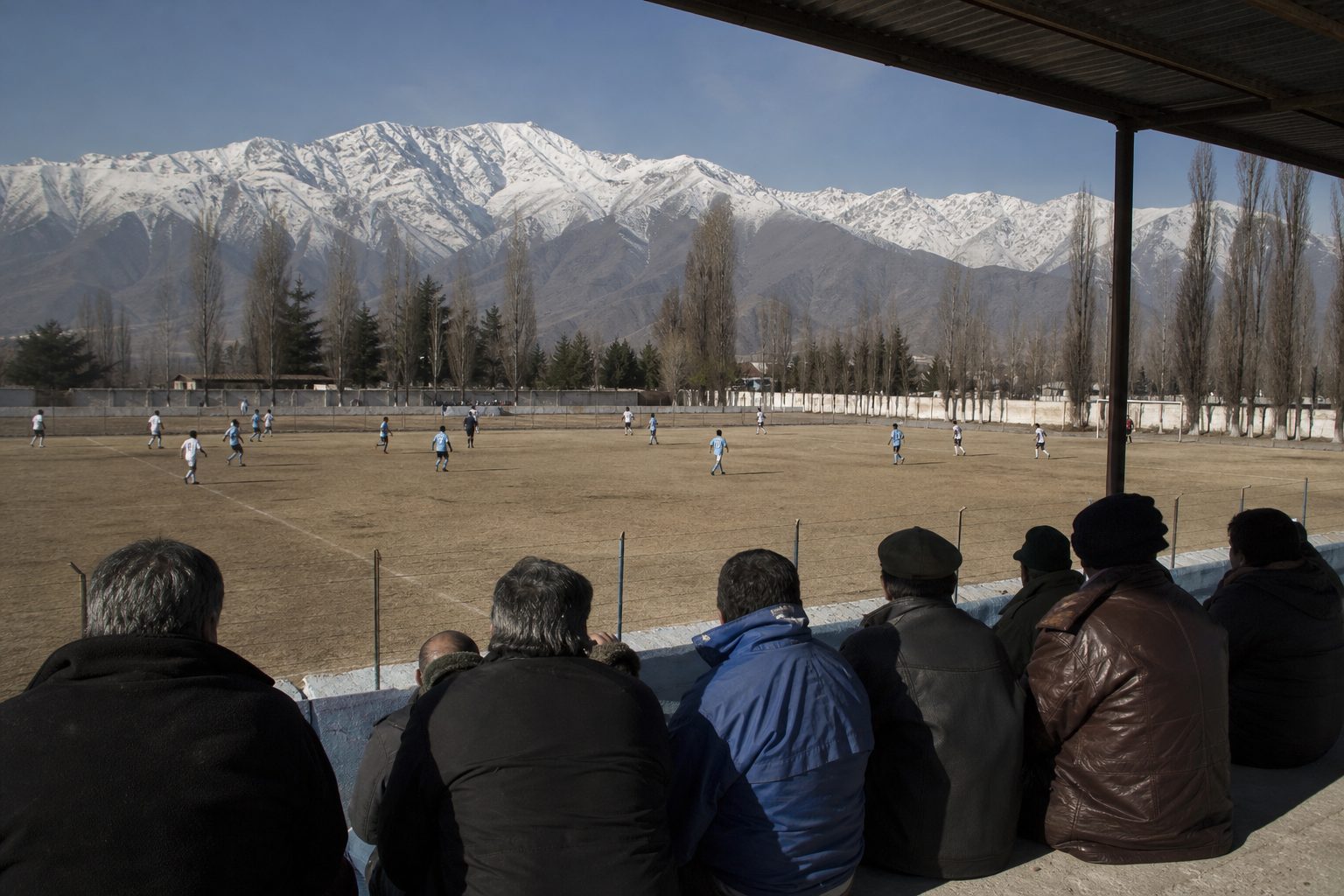
Urbano’s club comes from San Felipe, a town in the Aconcagua valley north of Santiago, with the Andes close behind. Unión San Felipe have spent much of their history outside the top flight, but they have one remarkable season to their name: in 1971 they won the Chilean championship straight after promotion.
By 2011 the club was back in the Primera División, competing in a league split into Apertura and Clausura tournaments, alongside the giants Colo-Colo, Universidad de Chile and Universidad Católica. More on the Chilean top flight is gathered under Chilean Primera División.
The goals
The clips speak for themselves, and the remarkable part is the repetition. Plenty of players have tried a rabona in front of goal once, usually to groans from the stand when it skews wide. The technique leaves almost no margin: the striking foot meets the ball from behind the standing leg, with the body twisted and the eyes barely on target, and a slight mistake on the contact sends it nowhere. To pull it off twice in competitive matches in one season suggests that, for Urbano, it was not a party trick but a finish he genuinely trusted.
The clips were picked up and shared well beyond Chile, spotted and passed on by @thedaftpunk1, at a time when video of South American league football was only starting to travel widely online.
Chilean football in 2011
It was a good year to be watching Chile. Universidad de Chile, coached by Jorge Sampaoli, won both the Apertura and the Clausura and then the Copa Sudamericana, beating LDU Quito in the final with a fast, aggressive pressing style that drew attention across the continent. The national team, under Claudio Borghi after Marcelo Bielsa’s departure, was also changing. At the 2011 Copa América in Argentina, Chile topped their group before losing to Venezuela in the quarter-finals; the guide to contenders Uruguay and Chile set out their chances beforehand.
Other famous rabonas
Most famous rabona goals belong to famous players. Erik Lamela scored one for Tottenham against Asteras Tripolis in the Europa League in 2014, and another against Arsenal in March 2021 that won him the FIFA Puskás Award. Diego Maradona and Ricardo Quaresma made the rabona cross a trademark.
Wonder goals by lesser-known names have a way of slipping out of memory, as the piece on forgotten wonder goals argues. Matías Urbano deserves better. Two rabonas in one season is two more than most strikers ever manage.