 ThreeMatchBan
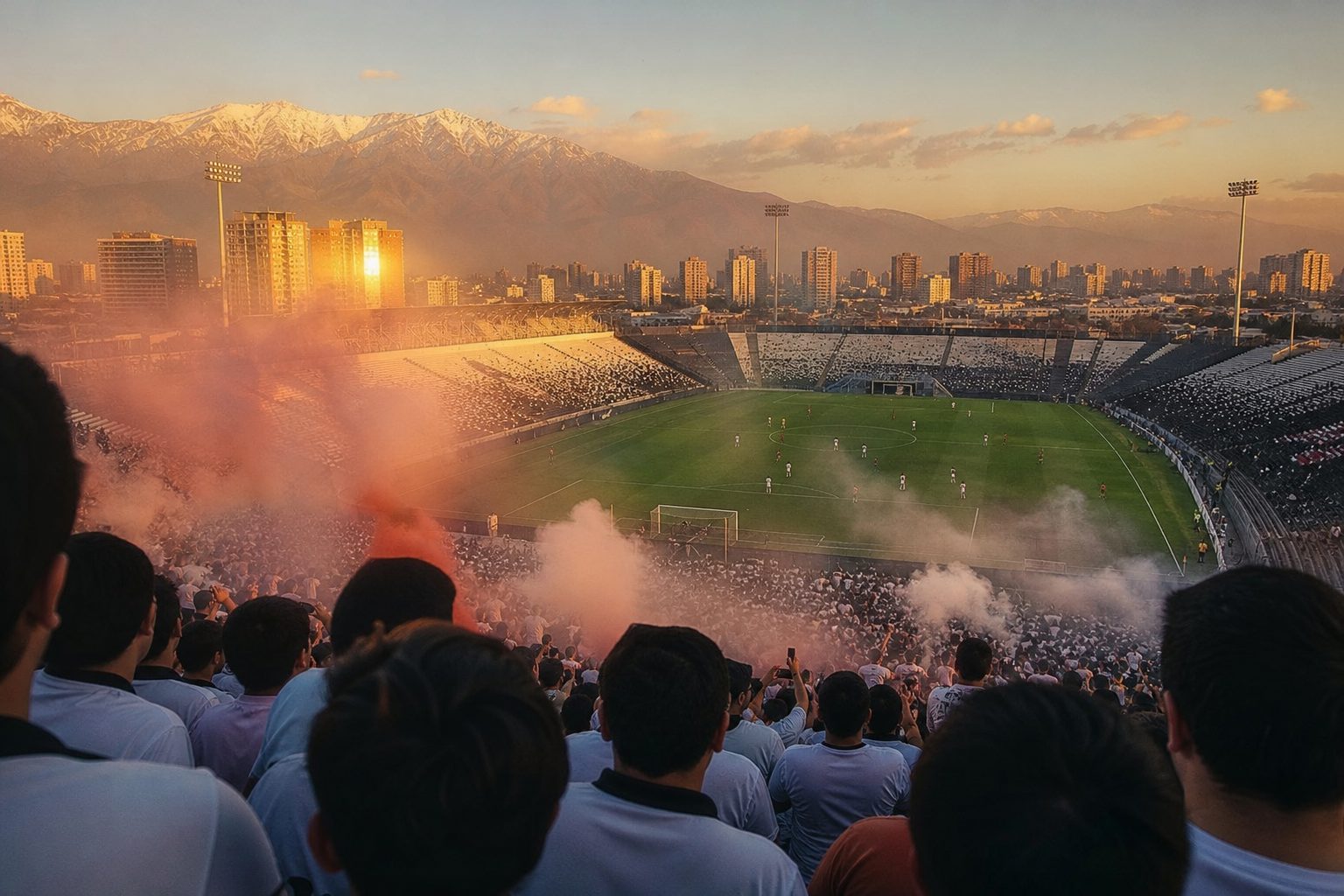
The Chilean Primera División has been running since 1933, when a group of Santiago clubs broke away to form a professional league. It has never had the money of Argentina or Brazil, and its best players rarely stay long, but it has a strong identity of its own and a habit of producing footballers far better than the size of the country suggests. Chile's two Copa América titles, in 2015 and 2016, were won by a generation that learned the game in this league.
Elías Figueroa, the defender many Chileans regard as their greatest player, captained the national team for almost 16 years, played at three World Cups and was named South American Player of the Year three times in a row from 1974 to 1976.
Colo-Colo and the night of 1991
Colo-Colo are the giants. Named after a Mapuche chief who resisted the Spanish conquest, the club from Santiago has won more league titles than anyone else and remains the only Chilean side to have won the Copa Libertadores, beating Olimpia of Paraguay in the 1991 final. The memory of that team is still the benchmark against which every Chilean club side is measured.
Claudio Borghi, the Argentine playmaker who was once an understudy to Diego Maradona, later won four consecutive league titles as Colo-Colo coach before taking charge of the national team in 2011.
The universities and the immigrant clubs
Colo-Colo's great rivals are Universidad de Chile, known simply as La U, and Universidad Católica, two clubs born from the capital's universities. La U's finest modern hour came in 2011, when Jorge Sampaoli's side, with Eduardo Vargas scoring freely up front, won the Copa Sudamericana with a high-pressing style that caught the eye of coaches across the continent.
Sampaoli carried those ideas, and several of those players, into the national team. In 2015 Chile won the Copa América on home soil, beating Argentina on penalties in the final in Santiago, and a year later, at the centenary tournament in the United States, they did exactly the same thing again against the same opponents.
The league also tells the story of Chile's immigrant communities. Audax Italiano was founded by Italians in Santiago, Unión Española by Spaniards and Palestino by the large Palestinian community, which still follows the club around the world. Few top divisions anywhere carry their country's migration history so plainly on their shirts.
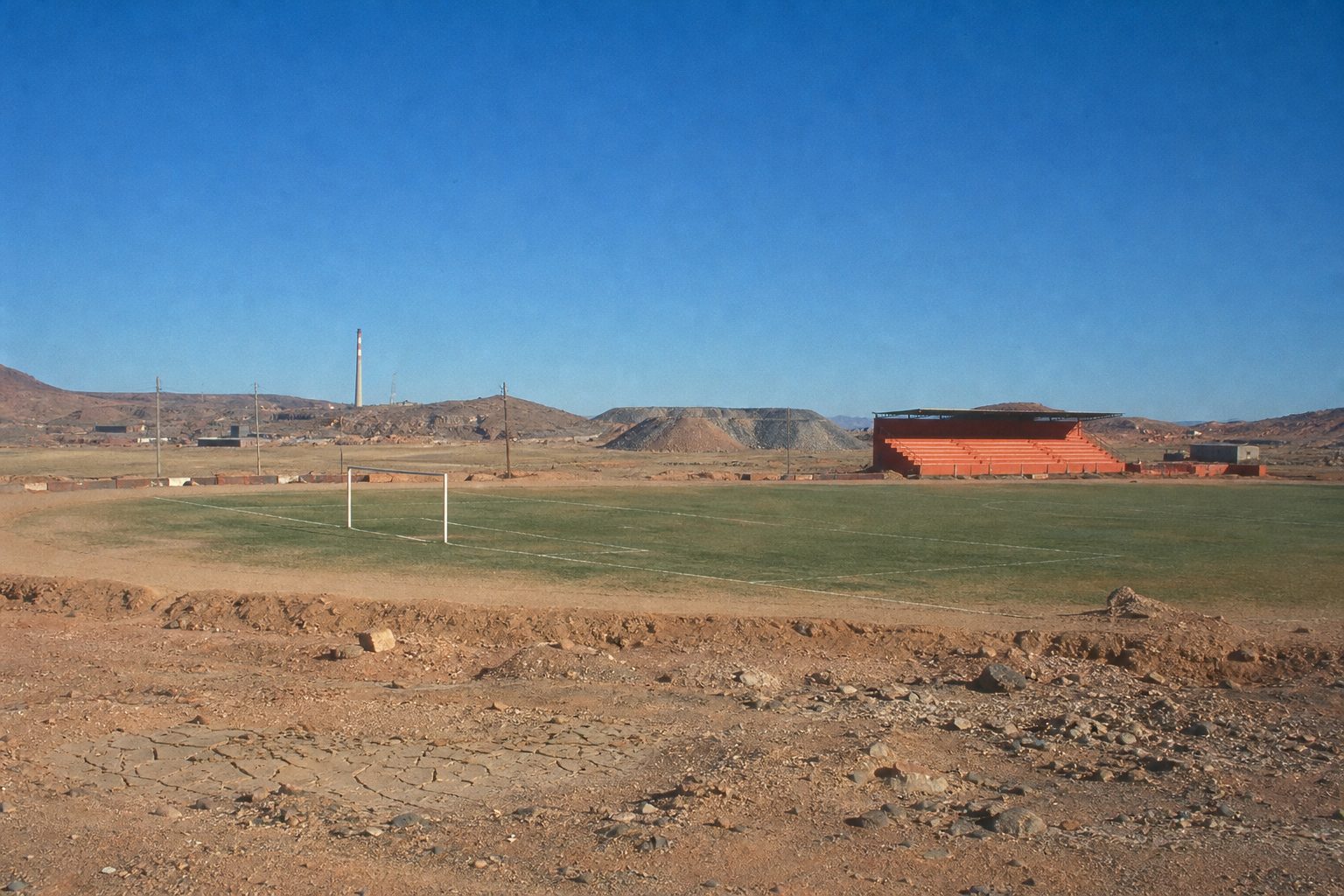
Cobreloa and football in the desert
Then there is Cobreloa, from Calama in the Atacama, one of the driest places on earth. Founded in 1977 in a town built around one of the world's largest copper mines, the club rose with astonishing speed and reached the Copa Libertadores final in both 1981 and 1982, losing to Flamengo and then Peñarol. The altitude, the heat and the long trip north made Calama a miserable place for visiting teams for years. Alexis Sánchez began his professional career there before leaving for Udinese.
Other stars started closer to the capital. Iván Zamorano came through at Cobresal, another mining club, before heading to Switzerland, Spain and Inter. Marcelo Salas scored the goals that made him a hero at La U before River Plate and Lazio. Arturo Vidal was a Colo-Colo youngster before Bayer Leverkusen took him to Europe.
More on the Chilean Primera División
The league's leading clubs and the national side under Bielsa and Borghi are covered in the 2011 Copa América guide to the contenders, Uruguay and Chile, written four years before Chile finally won the trophy. Figueroa's career gets proper recognition in the piece on great players you have probably never heard of. Stars of the continental championship are the faces to name in the Copa América star sticker quiz. The scouting report on South America's Latin wonderkids of 2012 shows how quickly the continent's best young players are snapped up. And for a neighbouring nation's finest modern hour on home soil, the footage of Uruguay's 1995 Copa América triumph is worth a look.