 ThreeMatchBan
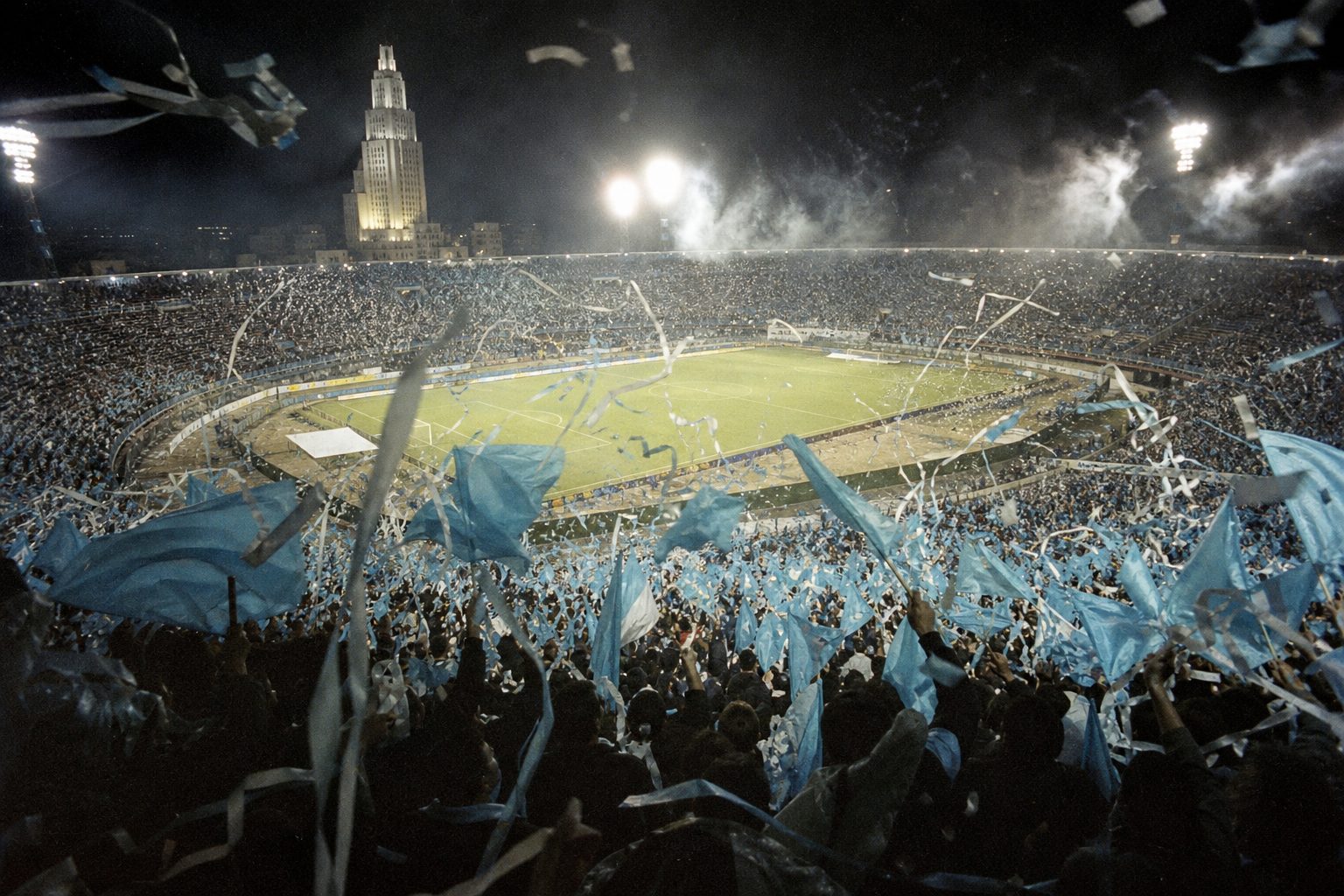
Few countries take the Copa América as seriously as Uruguay. In July 1995, with the tournament on home soil and the national team in need of redemption, Uruguay beat Brazil on penalties in the final at the Estadio Centenario in Montevideo to win the South American championship for the 14th time.
A team that needed a lift
The early 1990s had been hard on Uruguayan football. The country that won the first World Cup in 1930 and stunned Brazil at the Maracanã in 1950 failed to qualify for the 1994 World Cup in the United States. For a nation of about three and a half million people that measures itself by football, it was a painful absence.
The 1995 Copa América offered a chance to put things right. Uruguay were hosts, and the matches were spread across several cities, with the Centenario, built for the 1930 World Cup, as the centrepiece.
The coach was Héctor Núñez, and the captain and creative heart of the side was Enzo Francescoli.
Enzo Francescoli, El Príncipe
Francescoli was one of the most elegant forwards of his generation. Nicknamed El Príncipe, the Prince, he had starred for River Plate in Buenos Aires and played in France with Racing Paris and Marseille, then in Italy with Cagliari and Torino. At Marseille in 1989–90 he played in the same side as Chris Waddle, whose own French adventures include a memorable single with Basile Boli, We’ve Got A Feeling. A young Zinedine Zidane idolised Francescoli so much that he named his first son Enzo.
By 1995 Francescoli was back at River Plate and in his thirties, but he was still the player Uruguay looked to. The Copa América was his chance to win a major trophy at home in front of his own people, and he took it.
The final against Brazil
Uruguay’s opponents in the final on 23 July 1995 were Brazil, the reigning world champions after their victory at USA 94. Mário Zagallo’s side had reached the final after a dramatic quarter-final against Argentina, in which Túlio’s equaliser came after the ball appeared to strike his arm. Argentine complaints are still heard today.
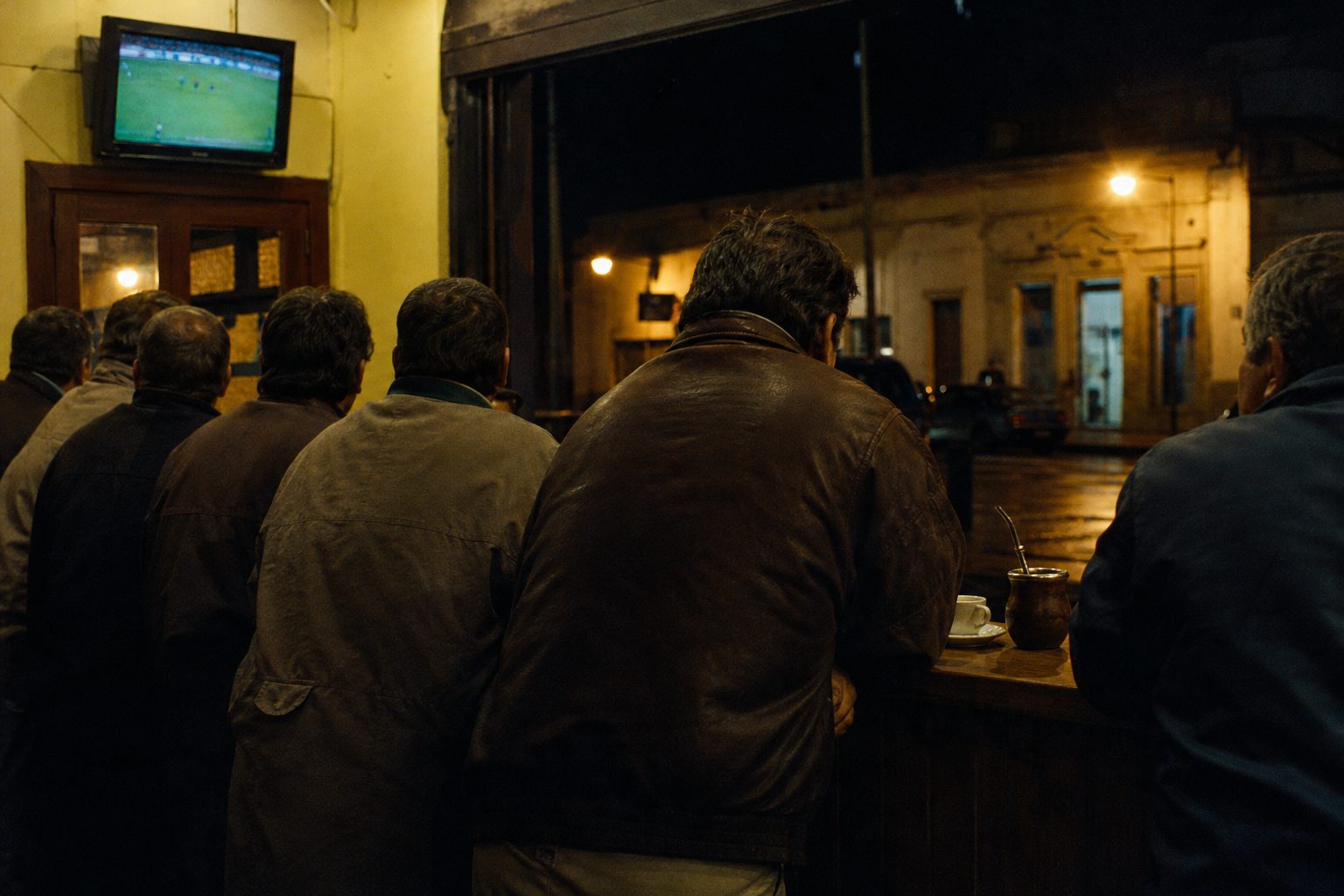
Túlio scored again in the final, giving Brazil the lead in the first half. Uruguay equalised early in the second through Pablo Bengoechea’s free kick, and the match finished 1–1 after normal time. In the shoot-out Uruguay were perfect, winning 5–3, and the Centenario erupted.
For Uruguayans, beating Brazil in a final on home soil was especially sweet. It echoed, in a smaller way, the Maracanazo of 1950, when Uruguay silenced a vast crowd in Rio to win the World Cup. Few rivalries in South American football carry quite so much history.
What 1995 meant
The 1995 title revived Uruguay’s pride after the disappointment of missing USA 94, and it kept the country level with Argentina at the top of the all-time Copa América list for a time. Uruguay added a 15th title in 2011, beating Paraguay 3–0 in the final in Buenos Aires, a tournament previewed in the 2011 Copa América guide to Uruguay and Chile.
Many of the 1995 squad are now remembered as the last generation before the great revival of the 2010s, when Óscar Tabárez’s teams with Luis Suárez, Diego Forlán and Edinson Cavani reached a World Cup semi-final in 2010 and won that 2011 Copa. The faces of Copa América stars from across the decades feature in the Copa América sticker quiz.
For anyone in Montevideo that July, though, the abiding memory is of Francescoli lifting the trophy at the Centenario, the old stadium where Uruguay first became world champions 65 years earlier.