 ThreeMatchBan
Sasa Curcic arrived in English football as one of the most exciting attacking midfielders of the mid-1990s and left it as a footnote, the man who bought a double-decker bus to throw parties on. In between he played for Bolton Wanderers, Aston Villa and Crystal Palace, earned a big-money move and lost interest in the game with remarkable speed.
Belgrade promise and a record move to Bolton
Curcic came through in Belgrade, first with OFK Beograd and then with Partizan, and he played for Yugoslavia. In the summer of 1995 Bolton, newly promoted to the Premier League after a play-off final win over Reading, paid £1.5 million for him, a club record at the time.
He was a joy to watch. Quick feet, a willingness to run at defenders and a taste for the spectacular made him the brightest thing about a side that struggled all season at Burnden Park. Bolton finished bottom in 1995–96 and went straight back down, but Curcic had done enough to earn admirers across the division.
The keenest was Brian Little. Aston Villa had just won the League Cup and wanted more creativity, and Little paid £4 million to bring Curcic to Villa Park in the summer of 1996. On paper it was a shrewd piece of business: a talented young playmaker moving from a relegated club to one chasing Europe.
Aston Villa and the Birmingham nights
It did not work. Curcic never reproduced his Bolton form in claret and blue, and he struggled to hold a regular place in a well-organised Villa side built around defensive solidity. Little lost patience, and after Little resigned in early 1998 his successor John Gregory showed no more faith.
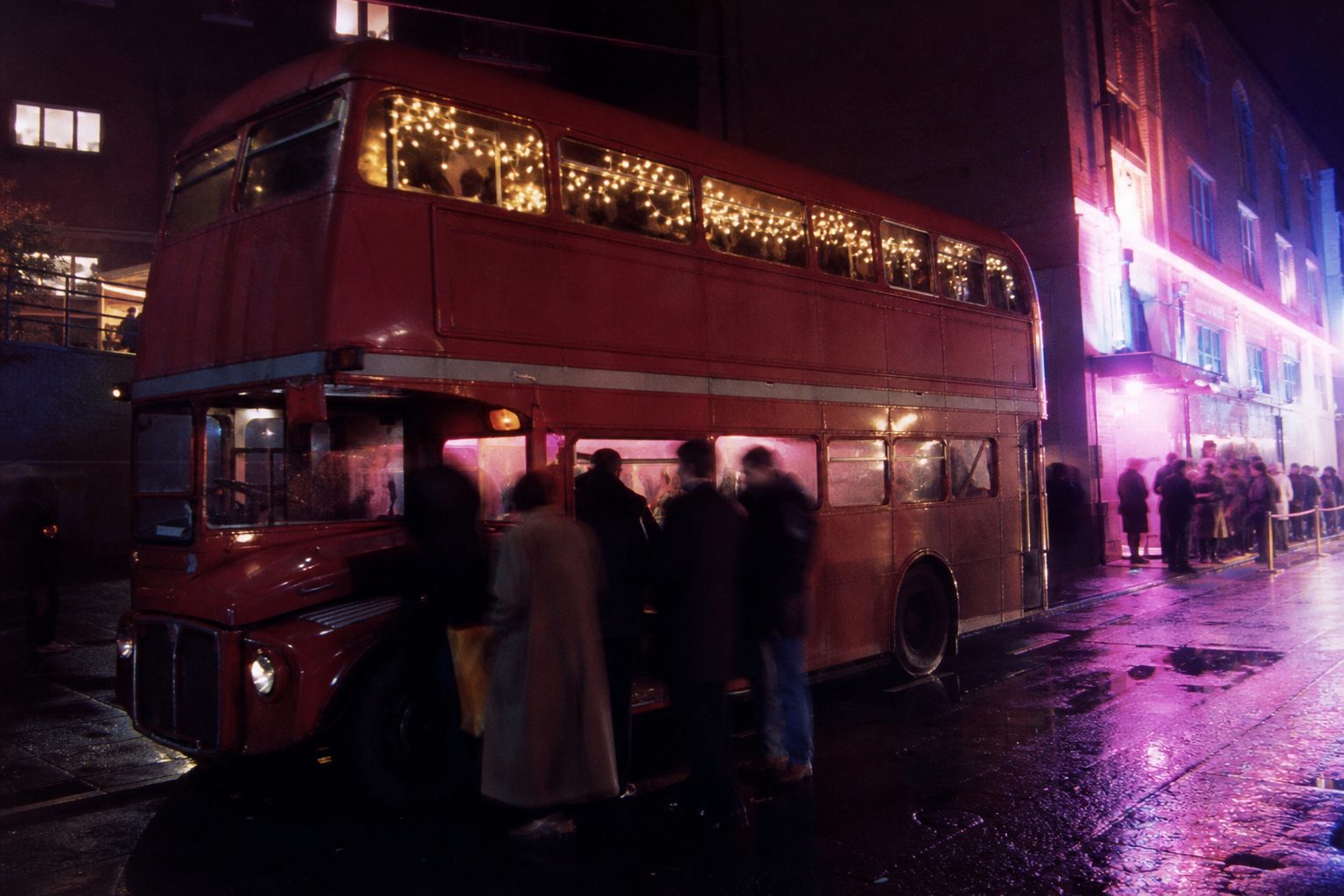
Off the pitch, by his own later account, he was enjoying himself enormously. In a television interview he spoke candidly about the excesses of his years in the Midlands, from heavy partying to the purchase that became his calling card: an old double-decker bus, which he bought so that he could hold parties on it.
It is the kind of detail that makes a player a cult figure long after anyone remembers his passing range.
Crystal Palace, a flag and an empty treasury
Late in the 1997–98 season Crystal Palace paid around £1 million to take him to Selhurst Park. He produced a few bright performances and helped Palace to their first home league win of a dismal campaign, but the club were relegated anyway. Palace supporters remember him chiefly for parading a Yugoslav flag around the pitch during the conflict in his homeland, a gesture that drew plenty of attention at the time.
The following season he was mostly a substitute in the First Division, and when Palace went into administration in 1999 he was among the players sold to cut costs. The club's later crests and colours are covered in the Crystal Palace badge history.
New York, Motherwell and the reality TV years
In 1999 he joined the MetroStars in Major League Soccer, reportedly declaring that he wanted to become the Dennis Rodman of the league. He managed only nine appearances. Short spells at Motherwell in Scotland and Obilić in Belgrade followed before he announced his retirement in 2001.
When asked about a return to football, he joked that no amount of money would tempt him and that only a very different sort of offer might, a reply that said a lot about where his priorities lay. Then he largely disappeared from view.
He resurfaced in Serbia in suitably theatrical fashion, winning the local version of Big Brother and a prize of €50,000. The renewed fame brought advertising work, including a series of commercials for Mobile Telephony of Serbia.
In August 2008, seven years after his last professional game, he turned out in a testimonial between the Partizan side of 1994 and FK Pionir, the club from his home village of Besni Fok. Partizan's veterans won 2–0, with Curcic playing a half for each team. Having rediscovered the game, he went on to coach youngsters at the village club.
A cult hero of the early Premier League
Curcic belongs to a particular wave of overseas signings, the players who arrived in the first years of the Premier League with real talent and unpredictable results. Some, like the Serbian playmaker Dejan Petković, built their reputations elsewhere. Others flickered briefly in England and went home. Curcic did both in the space of five years. Anyone who thinks they could still pick him out from his old sticker can try the Premier League import sticker quiz.
For Villa fans he remains a cautionary tale about transfer fees, and the club's long run of hits and misses is a recurring theme on the Aston Villa pages. For Bolton supporters who saw him at Burnden Park in 1995–96 he is something warmer: the one player in a relegated side who made the trip worthwhile. Plenty of Premier League midfielders have been more successful. Very few owned a bus.