 ThreeMatchBan
For a generation of Manchester United supporters, Liverpool in the 1980s were the enemy: relentless, efficient and forever winning. Even so, plenty of them make an exception for Jan Molby. The big Dane was impossible to dislike, because he played the game the way almost everyone secretly wishes it were played, with time, vision and a left foot that could put the ball anywhere he chose.
The 1986 FA Cup final
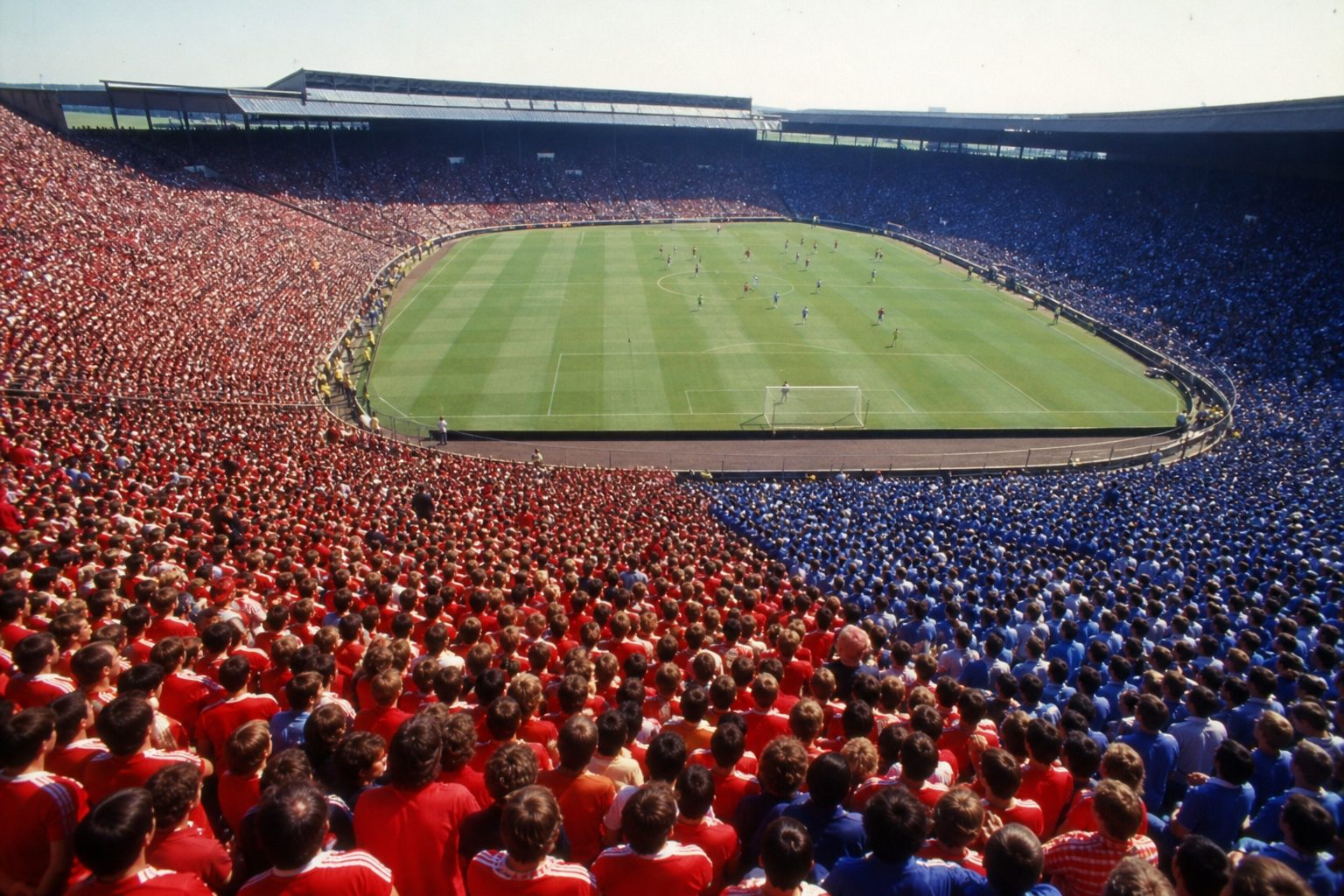
The FA Cup final once felt as big as a World Cup final. Families got up early to watch the entire build-up, with cameras on the team coaches and interviews in the stands, and Wembley always seemed to sit under a blanket of sunshine. In May 1986 the occasion matched the billing. Liverpool had just beaten Everton to the league title by two points, and the two Merseyside clubs met at Wembley with the double at stake.
The pitch was full of stars: Gary Lineker, Kenny Dalglish, Ian Rush, Graeme Sharp, Trevor Steven, Peter Reid. Molby was the best player on it by a distance.
Lineker gave Everton the lead, but in the second half the Dane took over. Wearing the number 10 shirt, as a playmaker should, he supplied the key pass for each of Liverpool's three goals: a skidding, pacy ball for the first, a deft flick into space for the second and a simple short pass that set up the third. In between he sprayed passes to every corner of the pitch and left a stretched Everton exhausted. Liverpool won 3–1 and completed the double.
From Kolding to Ajax to Anfield
Molby's pedigree was never in doubt. Ajax bought him from his hometown club, Kolding, in 1982, and he spent two years in the first team in Amsterdam, winning the Dutch championship in 1983. Technical excellence is compulsory at Ajax, and he combined a delicate touch and an enormous passing range with a thunderous shot and real physical presence.
Joe Fagan paid £200,000 to bring him to Liverpool in 1984. The timing was awkward. Graeme Souness had just left for Sampdoria after the league and European Cup double, and Molby was not a regular in his first season, which ended without a league title and with defeat by Juventus in the European Cup final on the night of the Heysel disaster.
When Fagan retired and Kenny Dalglish became player-manager, Molby became a fixture. He could sit deep, somewhere between an old-fashioned sweeper and a modern deep-lying playmaker, while Steve McMahon or Kevin MacDonald did the running. He was better still further forward, and in the double season he scored 21 goals.
He was never slim. Like Ferenc Puskás before him, he made the question of fitness seem almost irrelevant. In a side of superb passers, from Ronnie Whelan to Alan Hansen, nobody spotted an opening faster or found it more precisely.
Denmark in Mexico
That summer he flew to Mexico with one of the most exciting teams ever to grace a World Cup. Alongside Michael Laudrup, Preben Elkjær, Søren Lerby, Frank Arnesen and Morten Olsen, Molby helped Denmark through a supposed group of death with three wins: 1–0 against Scotland, 6–1 against Uruguay and 2–0 against West Germany. In the last 16 their all-out attack was picked apart by Spain, who won 5–1.
Injuries, a sentence and a career that felt unfinished
1986 was the peak. Liverpool won nothing the following season, and from 1987 injuries began to interrupt his career and add to his weight problems. In 1988 he was sentenced to three months in prison for a driving offence, and Liverpool stood by him. Until he left in 1996 he was in and out of the side, playing in midfield and sometimes at centre-half.
He still collected two league titles and two FA Cups, scoring 44 goals in 218 appearances, many of them penalties. Big continental clubs were often linked with him, and it is tempting to think his talent would have been better appreciated abroad. Instead he settled into Merseyside life and stayed.
The touch never went. Against Leeds in 1993 he first scooped a pass between two defenders to put Rush clear, then played a perfectly weighted through ball that won a penalty, both with his first touch. Clips like that still circulate on many a fan's Twitter page today.
Then there is the goal hardly anyone saw. In a League Cup tie against Manchester United at Anfield in November 1985, with Paul McGrath having put United ahead, Molby ran from his own half, nutmegged Bryan Robson, beat another defender and hit a dipping 30-yard shot into the top corner. A dispute between the clubs and broadcasters meant there were no television cameras at the game, and the goal survives only because the club filmed the match itself.
After Liverpool he became player-manager of Swansea City, taking them to the 1997 play-off final, and later led Kidderminster Harriers into the Football League before a short spell at Hull City. A career like his deserves more than the few lines it would get in capsule film reviews.