 ThreeMatchBan
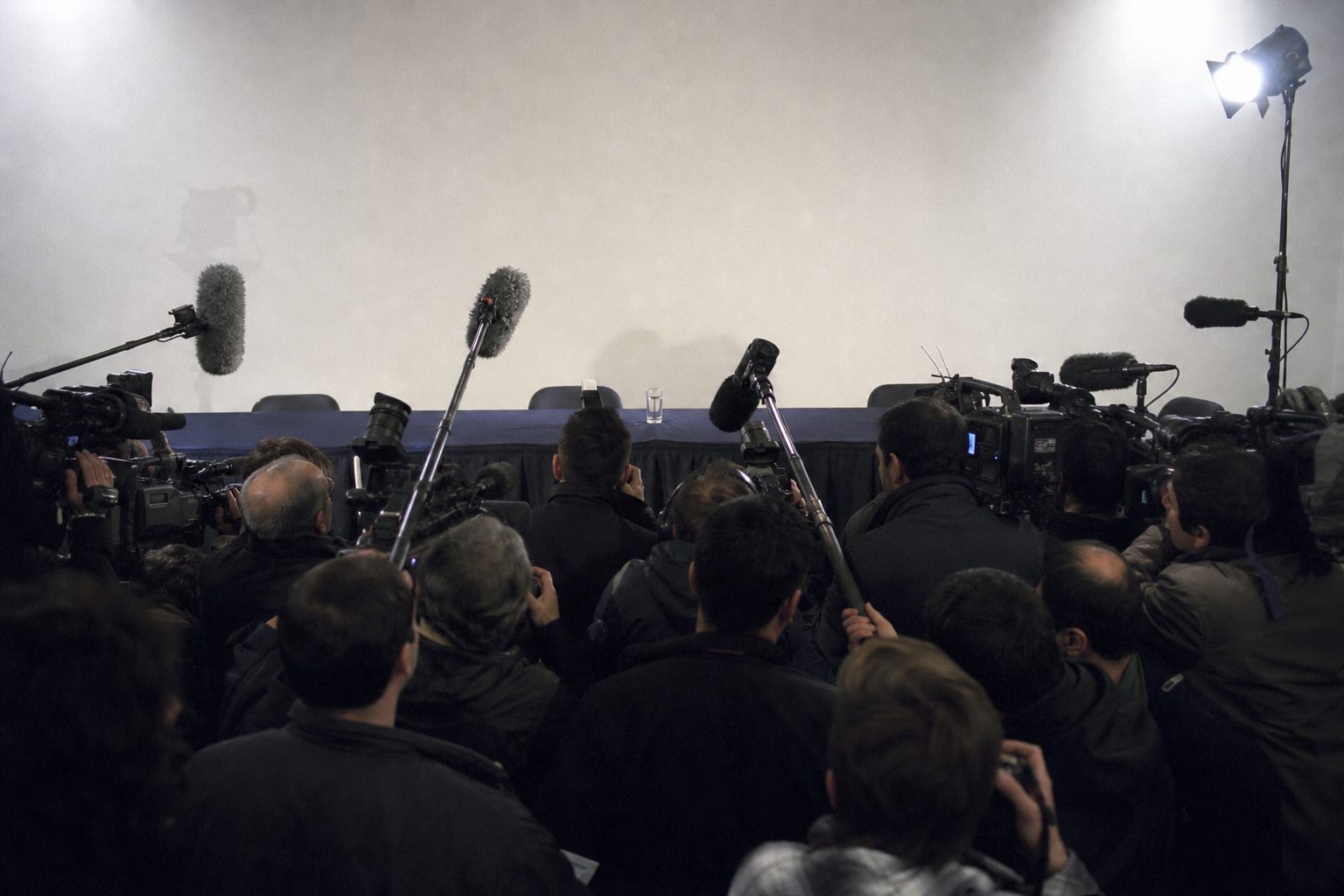
Surrounded by reporters in April 2011, the most powerful man in European football, Michel Platini, looked like someone who would rather be anywhere else. The UEFA president had been cornered by a BBC journalist and asked a simple question. Why was the cheapest seat at that year's Champions League final at Wembley going to cost £150?
That was before a £26 administration fee. Adult-and-child packages started at £338. For a final between Barcelona and Manchester United, played in England, ordinary supporters were being asked to find the price of a holiday.
A mistake, and then an excuse
The prices had been set months before. Platini had all the time he needed to prepare a defence. Instead he took a different line and came across as a man looking for an answer himself.
“It was a mistake, it was not good,” he said of the pricing structure, before drifting into the kind of non-committal statement any politician would recognise. “Perhaps, now, we need another category for families that is less expensive.”
Under pressure, the man who had captained France to the European Championship in 1984 tried a little sympathy. “It is not easy to decide the price of the tickets in the Champions League final,” he said, with something close to puppy dog eyes. The assembled press did not appear to melt.
“It was not a good communication and I apologise about that,” he went on.
The black-market argument
Towards the end of the exchange Platini reached for an idea he seemed to think would settle things. “We have received 200,000 requests for 10,000 tickets and now, if you want to buy the tickets on the black market, these tickets are 10 times the price that we decided.”
The logic does not survive a second look. He was right that touts would charge far more than face value. But that would have happened at any price, because the number of seats is fixed and demand outstrips it many times over. Tickets for a showpiece final are not an elastic product. A £150 face value does not deter the touts. It simply guarantees that the ordinary fan pays at least £150 before they have even started.
Pointing at the black market to justify a high official price is like blaming the queue for the length of the wait. If UEFA wanted families in the stadium, the answer was a cheaper allocation for them, ring-fenced and properly checked. Platini floated exactly that idea, then made no promise to do it for this final.
Grassroots talk, corporate prices
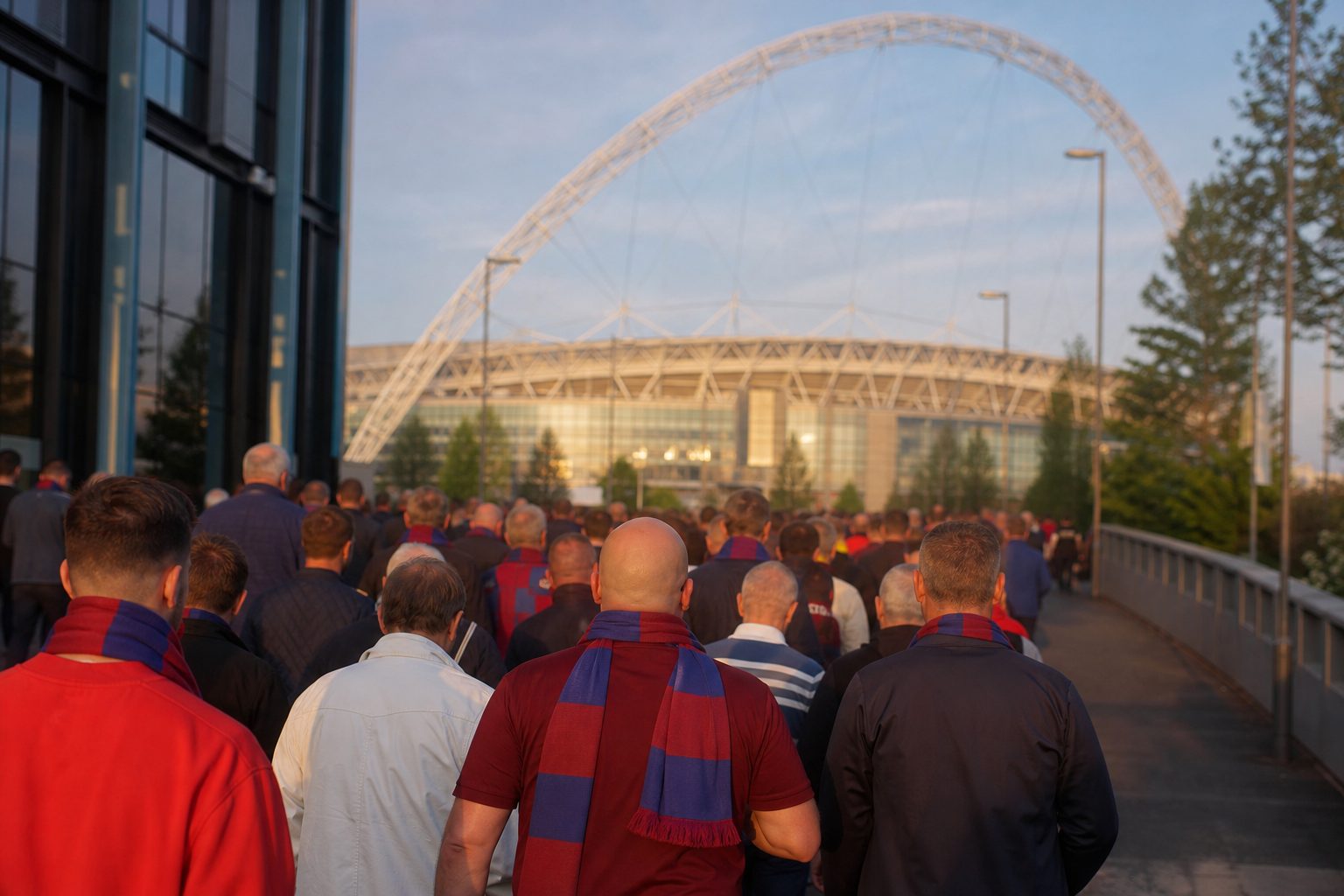
The episode sat badly with Platini's own rhetoric. He had come to power at UEFA in 2007 as the former player who would protect the soul of the game, and he spoke often of his ambition to unite the professional game with the game played at grass roots level, a pledge that rang hollow when the cheapest way into Europe's biggest club match cost more than many supporters spend on football in a season.
A final at Wembley between two of the most widely supported clubs in the world could have been a celebration for the people who follow them every week. Pricing it this way turned it into a corporate event with a football match attached.
The match itself was a masterpiece, at least for one side. Barcelona beat Manchester United 3–1 on 28 May 2011, with goals from Pedro, Lionel Messi and David Villa, Wayne Rooney scoring for United. Many who saw it rate that Barcelona side the best club team they have watched. Fewer ordinary supporters than should have been there saw it in person. For a wider look at European finalists and their kits, there is a quiz on Champions League teams by their shirts.
What came after
Platini's later years at UEFA brought more controversy, including the expansion of the European Championship to 24 teams, examined in a critical look at the bigger Euros, and a disciplinary record that often seemed light, as in the case of fines that changed little. In December 2015 he was banned from football by FIFA's ethics committee over a payment from Sepp Blatter, and he left the UEFA presidency in 2016. A Swiss court acquitted both men of fraud in 2022.
None of that was known on the April day he apologised. What was clear even then was that an apology without a price cut costs nothing. For Platini, Christmas had come early.