 ThreeMatchBan


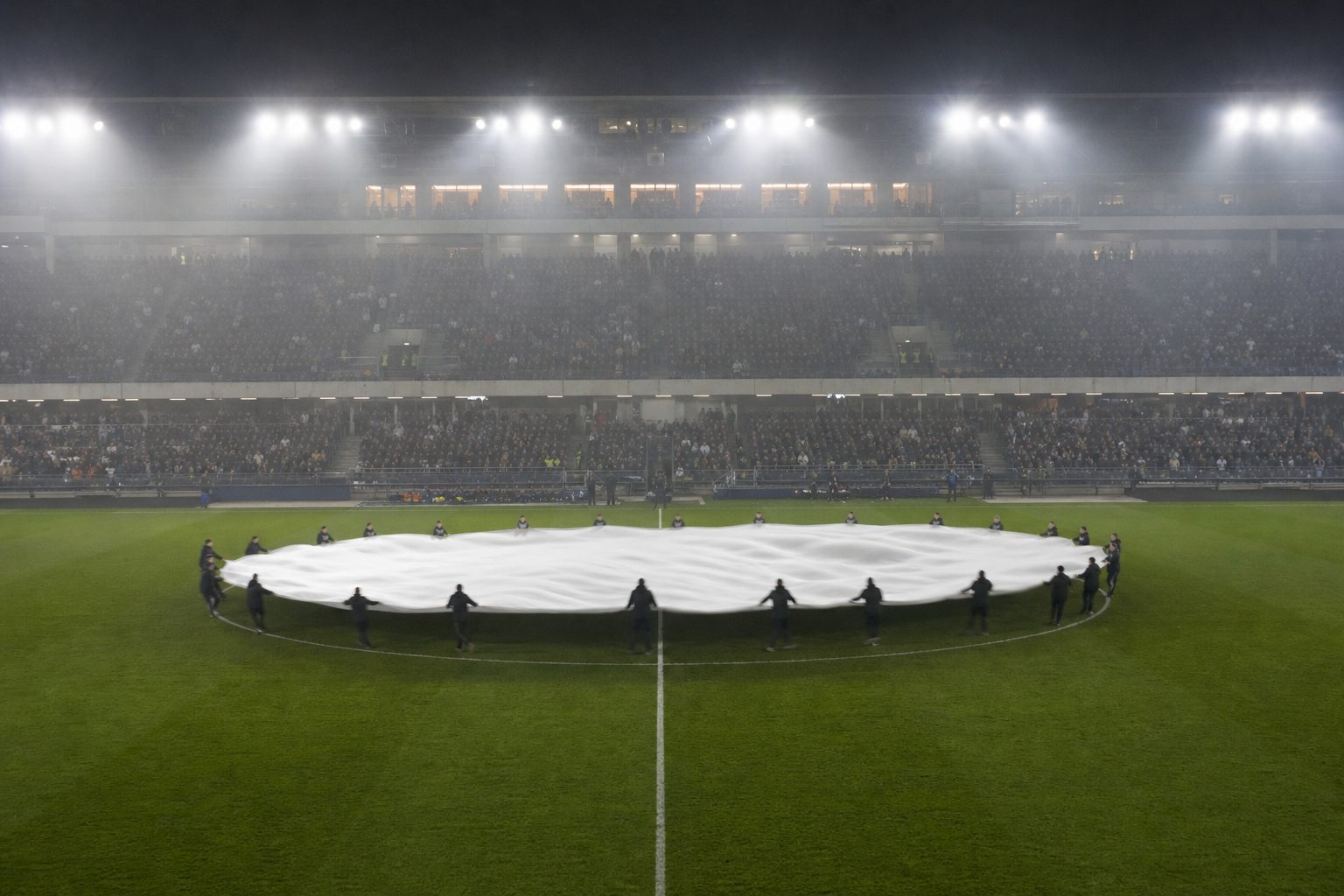
The Champions League has got the lot. It has the best teams in Europe, the best players, and of course it has the music. Few pieces of television sound are as instantly recognisable, and for a generation of supporters those few bars still mean a Tuesday or Wednesday night under floodlights.
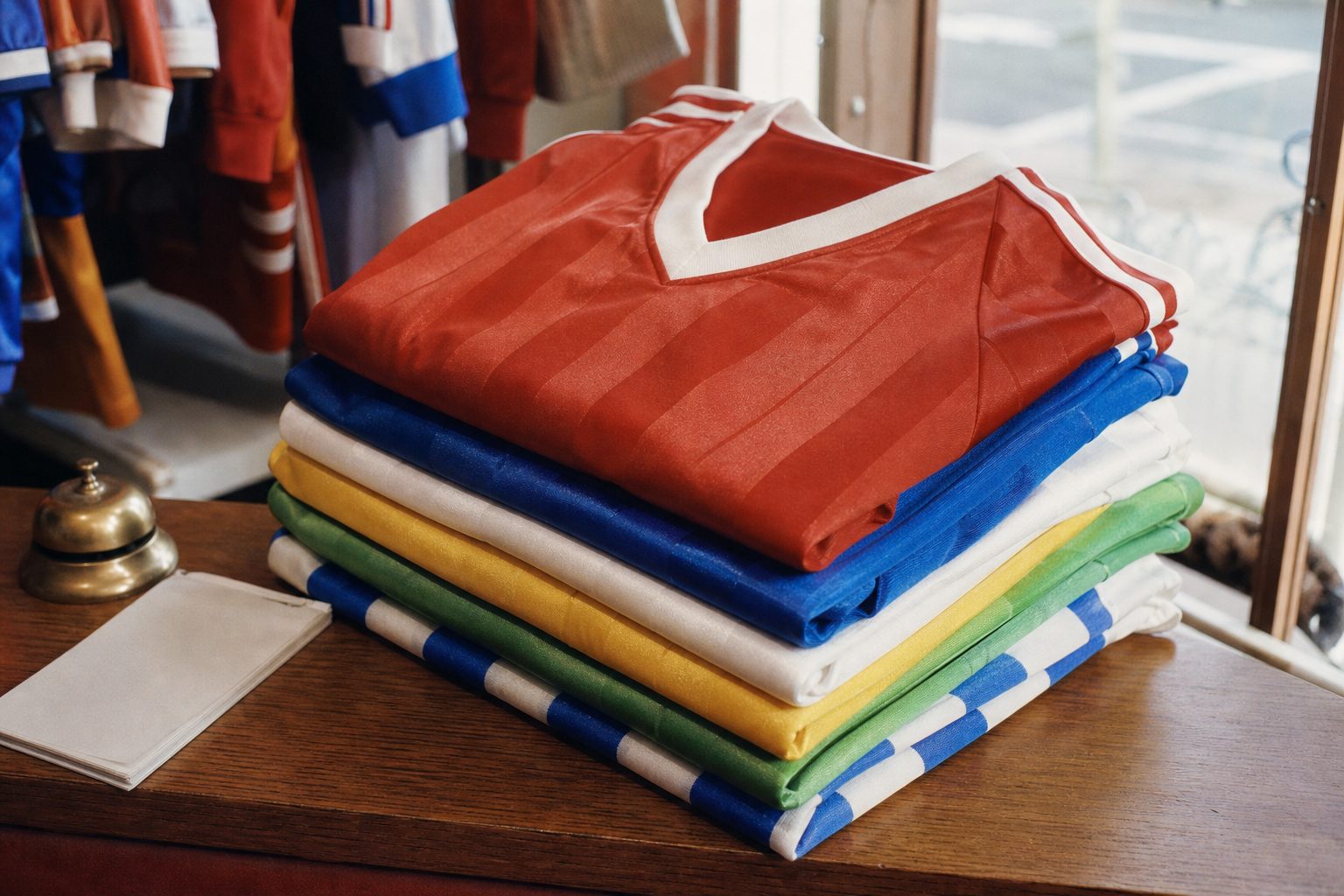
Plenty of great teams have lit up the competition since it was rebranded in 1992. The shirts of several of those sides are waiting below, alongside a handful of clubs whose association with the group stage was fleeting at best. Every one of them has kicked a ball in the Champions League at some point, chasing the biggest club prize there is, but not necessarily wearing the shirt featured here.
From European Cup to Champions League
The old European Cup was a straight knockout for league champions. Lose over two legs in the first round and the season in Europe was finished by October. In 1992–93 UEFA introduced a group phase and a new name, and the first final under the new branding saw Marseille beat Milan 1–0 in Munich.
The format kept growing. Runners-up and then third- and fourth-placed teams from the strongest leagues were let in, the group stage expanded, and the competition became a regular fixture in the diaries of the same dozen or so clubs. Critics argued it had stopped being a champions' competition at all. The television companies did not seem to mind.
The anthem, written by Tony Britten and adapted from Handel's Zadok the Priest, arrived with the rebrand and never left. So did the starball logo, which is exactly the sort of branding the new competition was built on.
Great sides and brief visitors
Some of the teams here need no introduction. Manchester United won the competition in 1999 with two stoppage-time goals against Bayern Munich in Barcelona, the climax of a treble season that still sets the benchmark in English football; the story of the club crest is told in the Manchester United badge history. Ajax won it in 1995 with a young side largely developed in their own academy. Milan, Real Madrid and Barcelona have collected the trophy several times each.
The brief visitors are just as interesting, and much harder to spot. Every season a few champions from smaller leagues come through the qualifying rounds, play six group games, collect a few points and disappear again. A rare few, like Rosenborg of Norway in the late 1990s, turned the visits into a habit. Their shirts tend to be the forgotten ones, worn on a handful of European nights and then retired.
That is where the real test lies. Recognising the white of Real Madrid is easy. Recognising the away shirt of a club that played three home group games in a single season takes a proper memory or a lot of late-night highlights.
For more of the same, the European giants shirt quiz concentrates on clubs with five or more league titles, the UEFA Cup and Europa League finalists quiz heads to the other competition, and the classic team shirts quiz keeps things closer to home. For international kits rather than club ones, the European Championship shirt quiz covers the nations who reached the finals.
How to play
Each shirt has an answer box underneath it. Type the club's name, and when it matches, the box turns green and the score counter at the top goes up by one. There is no sign-up and nothing to submit.
Use full names. Queens Park Rangers would be accepted but QPR would not, so Manchester United rather than Man Utd and Bayern Munich in its English form rather than an abbreviation.
All of the shirts can be bought from a vast online wardrobe here, for anyone whose nostalgia gets the better of them halfway down the list.