 ThreeMatchBan
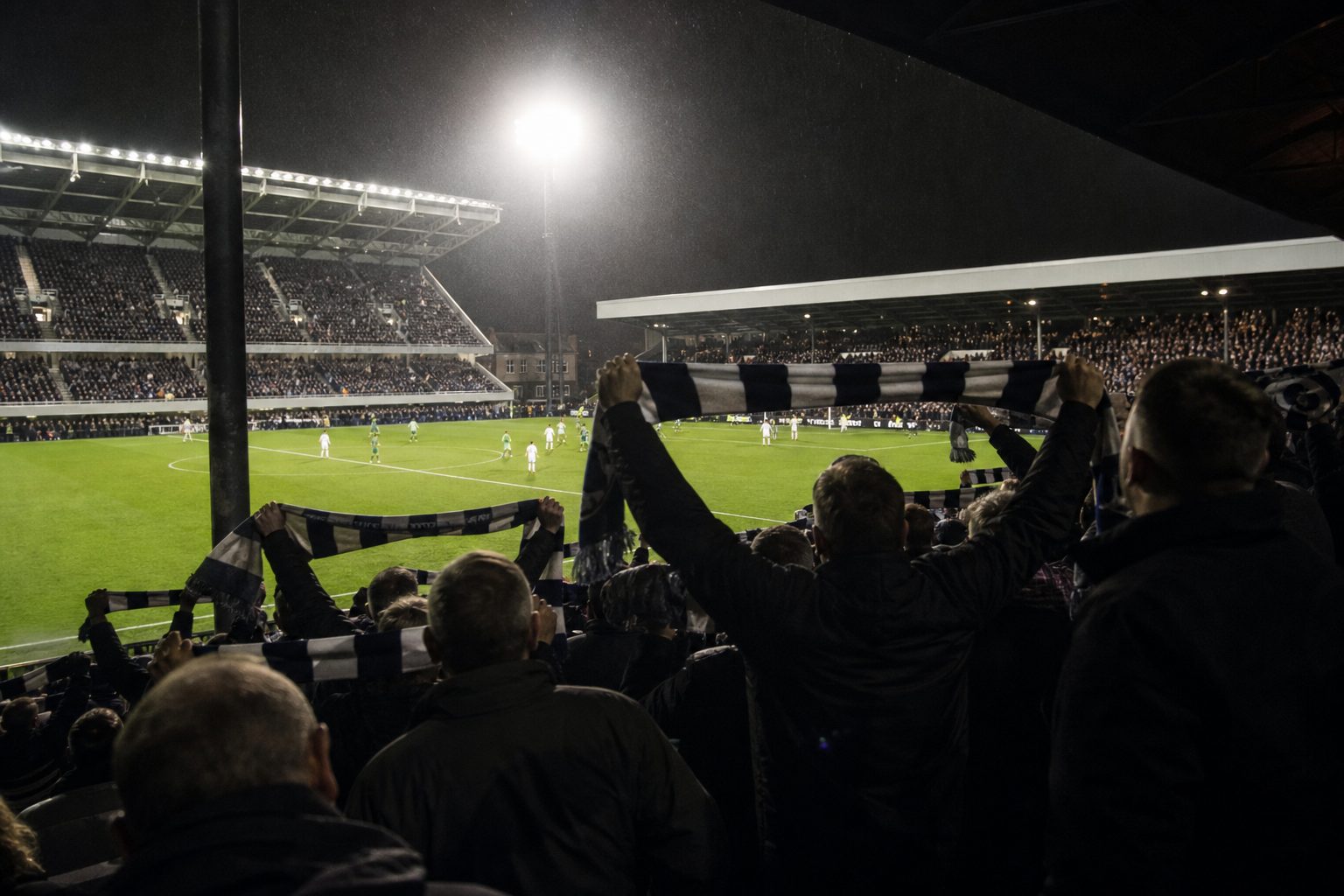
Tottenham Hotspur's progress to the group stage of the 2010–11 Champions League was a remarkable achievement for a club that, less than two years earlier, had been bottom of the Premier League. By finishing fourth in 2009–10, Spurs broke the hold of the so-called big four of Manchester United, Chelsea, Liverpool and Arsenal on the qualifying places, and they were set for a considerable financial windfall. Yet the biggest winner of all may not have been the club. It may have been the company on their cup shirts.
Levy's split shirt deal
At the start of the season, chairman Daniel Levy announced a pioneering split sponsorship. The software company Autonomy would be the shirt sponsor for Premier League matches, while the banking group Investec would appear on the shirts in the Champions League and the domestic cups for the next two years. It was a neat way to bring in extra money, and it marked Levy out once more as an astute businessman.
For Investec, though, it was a gamble. Exposure depended entirely on how far Spurs went in the cups. According to the BBC, the deal was believed to be worth around £5m over two years, although the club did not disclose the figure. If Spurs had fallen at the first hurdle and stumbled through an early cup exit or two, that would have been an expensive way to buy a few wet Tuesday nights against lower-league opposition and a short highlights package. The structure meant the deal was, as one observer put it at the time, a win-win: it paid more if Spurs did well and less if they did not, which made it far less risky for either side than it first looked.
Bern, a plastic pitch and a nervous sponsor
The nervous moment came in the play-off round. Spurs lost the first leg 3–2 away to Young Boys on the artificial pitch in Bern, and for a week Investec faced the prospect of seeing its name confined to the Europa League, then shown in the UK on channels such as Five and ITV4, and to the early rounds of the domestic cups.
The second leg at White Hart Lane settled it. Spurs won 4–0, with Peter Crouch scoring a hat-trick, and were through to the group stage.
A global audience
The reward was a different scale of exposure. The Champions League had just been reported, in research covered by the BBC, as the most-watched annual sporting event in the world, ahead of the NFL's Super Bowl, with an average global audience of 109 million. The report's authors noted that while the Super Bowl had won free-to-air deals in important European markets such as the UK, France and Germany, "its distribution and popularity in the key Asia-Pacific region lags far behind the Champions League."
Investec's global managing director, Bernard Kantor, was understandably enthusiastic. "We share a common goal for high energy performance, a strong team spirit and developing talent," he said. "We look forward to an exciting season ahead with Spurs." Shareholders who had been biting their nails after Bern could now rub their hands instead. What the bank's famously bemused-looking zebra mascot made of it all was never revealed.
How the season turned out
The gamble paid off better than anyone could have predicted in August. Spurs topped a group that included the holders, Inter Milan, with Gareth Bale's hat-trick in a 4–3 defeat at San Siro and his destruction of Maicon in the return at White Hart Lane making him a household name across Europe. In the last sixteen Spurs knocked out AC Milan, before losing to Real Madrid in the quarter-finals.
That was months of prime-time European football with the Investec name on the front of the shirt, watched by audiences that a bank founded in South Africa could hardly have reached any other way.
For the club, it was the start of a new era as a regular in Europe. For the sponsor, it was the best £5m of advertising it was ever likely to buy.