 ThreeMatchBan
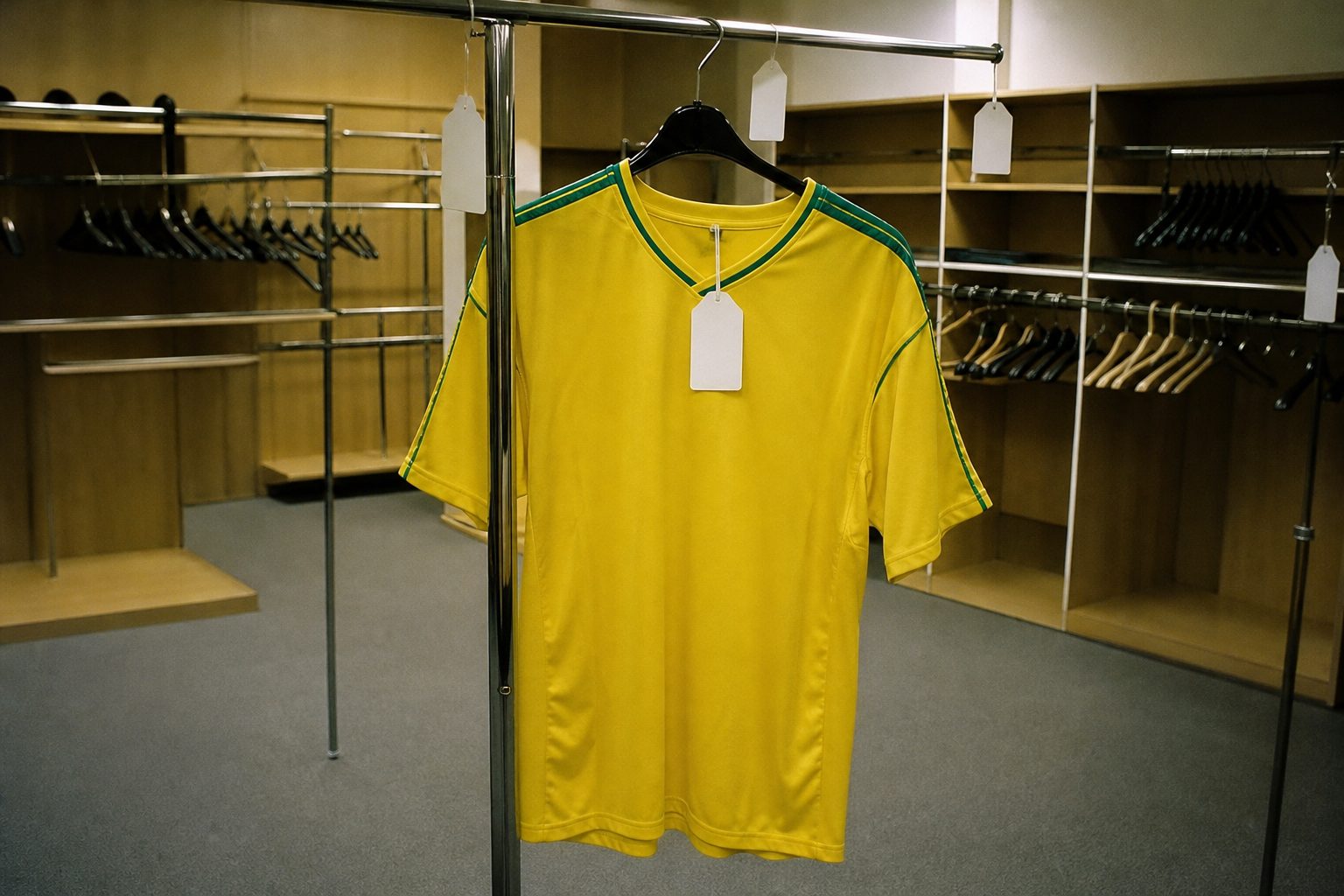
In the summer of 2009 Newcastle United launched a new away kit, and almost everyone agreed on one thing: it was horrible. A pale, sickly yellow, it was compared to egg mayonnaise left out in the sun. Yet there was a case for saying the shirt was the smartest thing the club did all summer.
Six shirts and a queue across the river
Newcastle fans are famously loyal buyers of replica kit, but this time they stayed away. Only six shirts were sold on the day of release, despite a 20 per cent discount. For a club whose black-and-white stripes are among the most recognisable in English football, the away shirt was always going to play second fiddle, but it still had to sell. A few miles down the road at the Stadium of Light, Sunderland supporters were queuing patiently for their new kit, which had the considerable advantage of not being the colour of a faded sandwich filling.
The reaction was seized on as the final nail in the coffin for a club that, that summer, seemed to have no owner willing to stay, no permanent manager and no sense of direction. Mike Ashley, who had bought the club in 2007, had put it up for sale after a disastrous season, and very few people on Tyneside were counting him as an owner in any meaningful sense.
A summer of fog at St James' Park
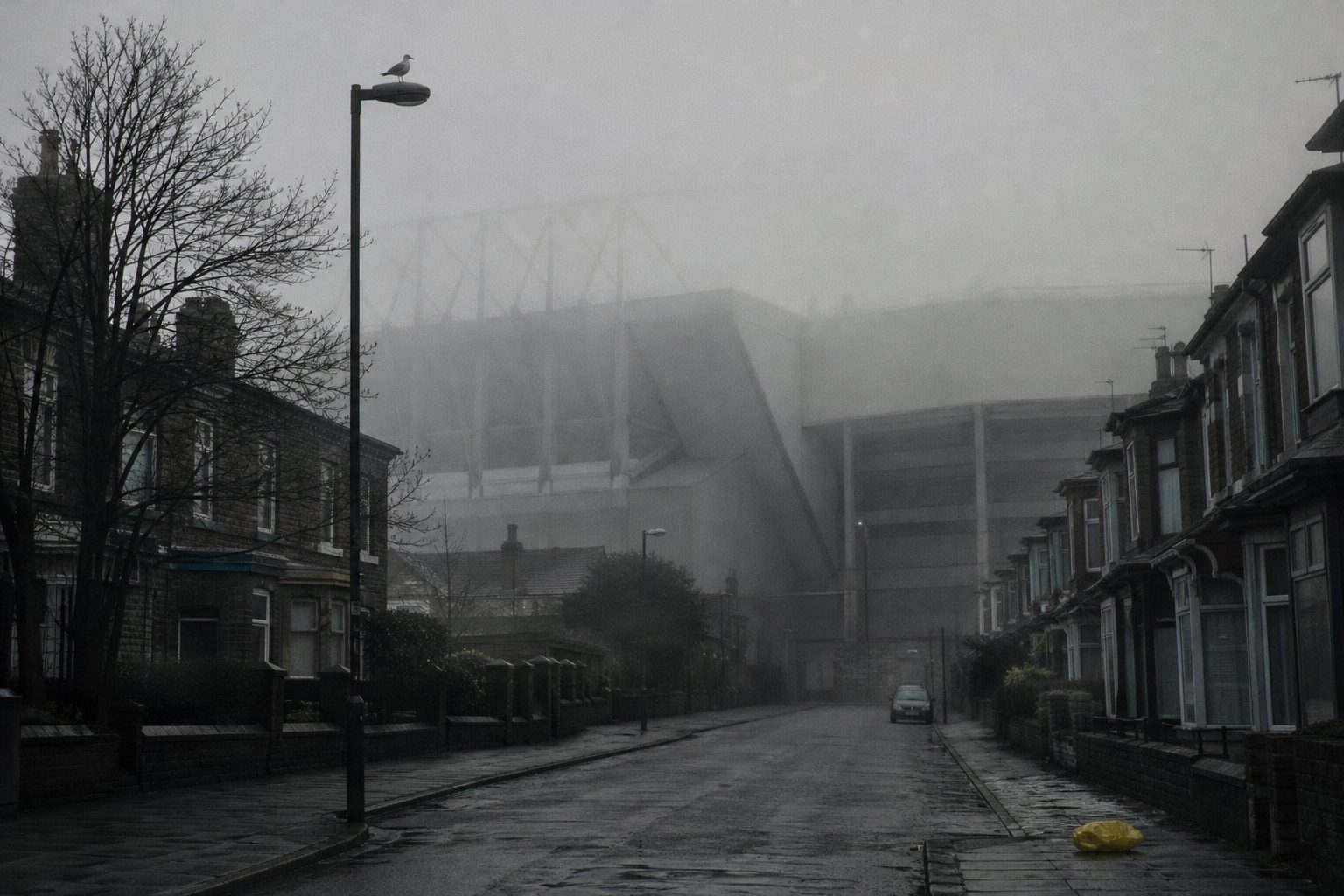
Newcastle had been relegated from the Premier League in May 2009, after a season that went through Kevin Keegan's resignation, Joe Kinnear's spell in charge and finally Alan Shearer's eight-game rescue attempt that did not come off. All summer a thick fog of despair hung over St James' Park.
The takeover saga rolled on. The Singapore-based Profitable Group, fronted by the former England and Liverpool midfielder Steve McMahon, withdrew its interest. Shearer, meanwhile, still did not know whether he would be in charge when the new season started. The club was rudderless.
And then, in the middle of all this, somebody released a bright yellow shirt. With the press predicting doom on a daily basis, a fashion disaster was a welcome change of subject. People were talking about the kit rather than the chaos. As marketing goes, whether by accident or design, it was not entirely stupid.
Things got worse before they got better. Pre-season brought a 6–1 hammering at Leyton Orient, a scoreline that would once have been unthinkable and that prompted the obvious joke that Newcastle needed all the distraction they could get.
What happened next
The surprise was how quickly the football recovered. Shearer did not return; instead the first-team coach Chris Hughton took charge, initially as caretaker and then on a permanent basis that autumn. Ashley eventually took the club off the market. With a squad that kept many of its senior players, Newcastle stormed the Championship in 2009–10, winning the title with 102 points and going straight back up.
The yellow shirt itself never won many friends. Classic shirts tend to be remembered either for great teams or for great crimes against taste, and in the view of most who saw it this one belongs firmly in the second group, whatever the team went on to achieve while wearing it.
The deeper problem took longer to solve. Ashley stayed for another twelve years, a period of relegations, protests and endless arguments over ambition, before finally selling the club in 2021. Hughton himself was sacked in December 2010, a decision that baffled supporters and is covered in a look at the comic end of Newcastle's patience with Mike Ashley.
Somewhere on Tyneside there are presumably still six people who own the original. Their shirts, at least, should be in good condition. Nobody wore them.