 ThreeMatchBan
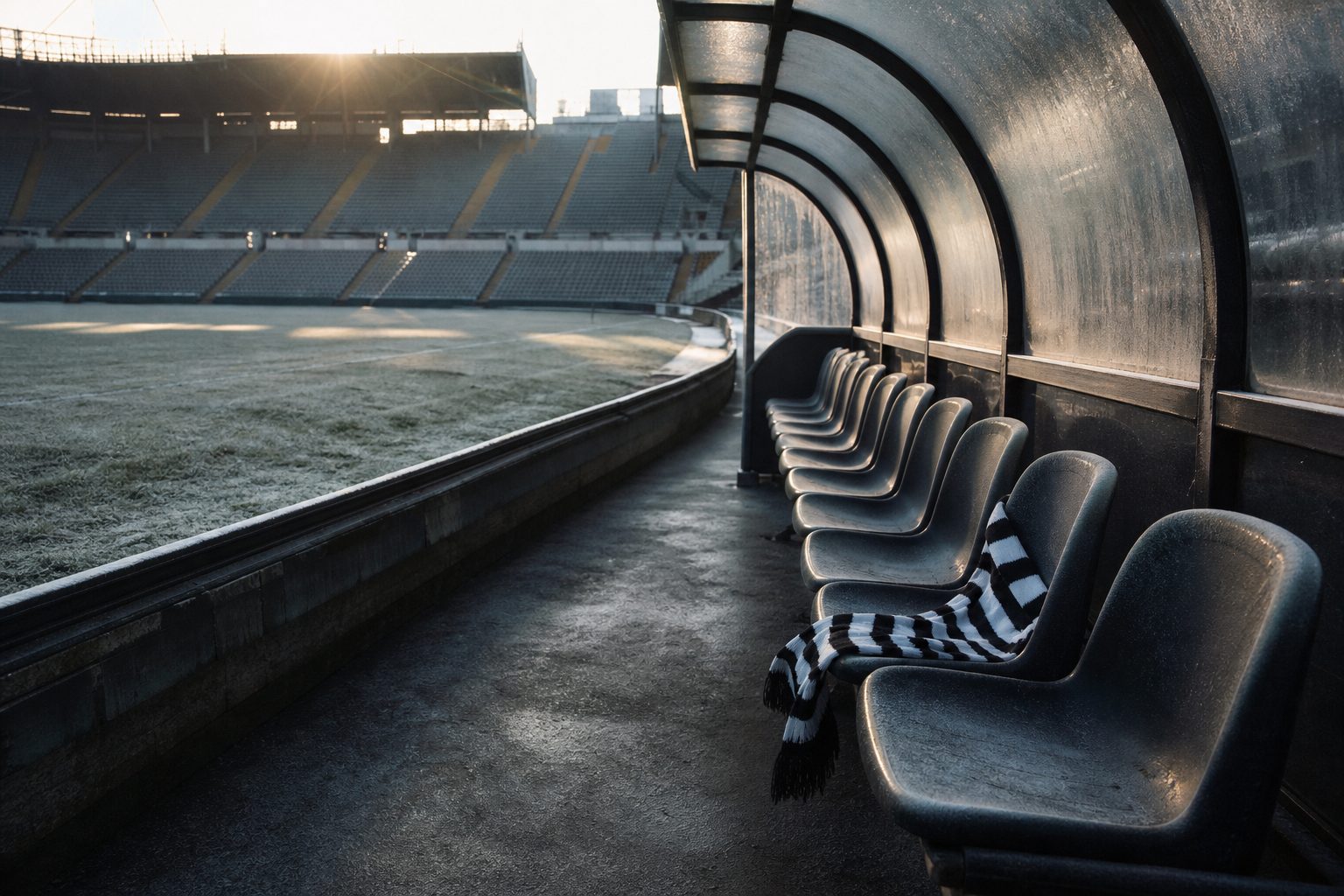
On 6 December 2010 Newcastle United sacked their manager, Chris Hughton. On the face of it, the decision made very little sense. Hughton had taken over a club in chaos after relegation in 2009, steadied it, and led it straight back to the Premier League as Championship winners with 102 points. Back in the top flight, Newcastle were comfortably mid-table, and only weeks earlier they had beaten Sunderland 5–1 at St James' Park, with Kevin Nolan scoring a hat-trick.
The board said it wanted a manager with more experience. Few outside the boardroom were convinced, and the reaction on Tyneside was a mixture of fury and weary disbelief. To many supporters it was the latest scene in a story that had long since tipped from drama into farce.
The Ashley years so far
Mike Ashley, the founder of Sports Direct, bought Newcastle in 2007. His early days, when he drank pints with fans in the away end in a replica shirt, quickly gave way to turmoil. Kevin Keegan returned as manager in January 2008 and resigned that September, later winning a case for constructive dismissal over the way transfers had been handled behind his back. Joe Kinnear followed, then Alan Shearer in a last-ditch rescue, and in May 2009 the club went down.
Ashley put the club up for sale that summer, failed to find a buyer and took it off the market. Hughton's success in the Championship had been the one genuinely good story of the period, which made his removal all the harder to swallow. He had first arrived as a coach under Keegan in 2008, survived every upheaval since, and stepped in as caretaker more than once before getting the job properly.
The squad Hughton left behind was a lively one, full of characters who generated headlines of their own: Nolan, Joey Barton, Andy Carroll and James Perch among them. Few supporters doubted that Hughton had kept the dressing room together.
Pardew, a stadium name and a striker sold
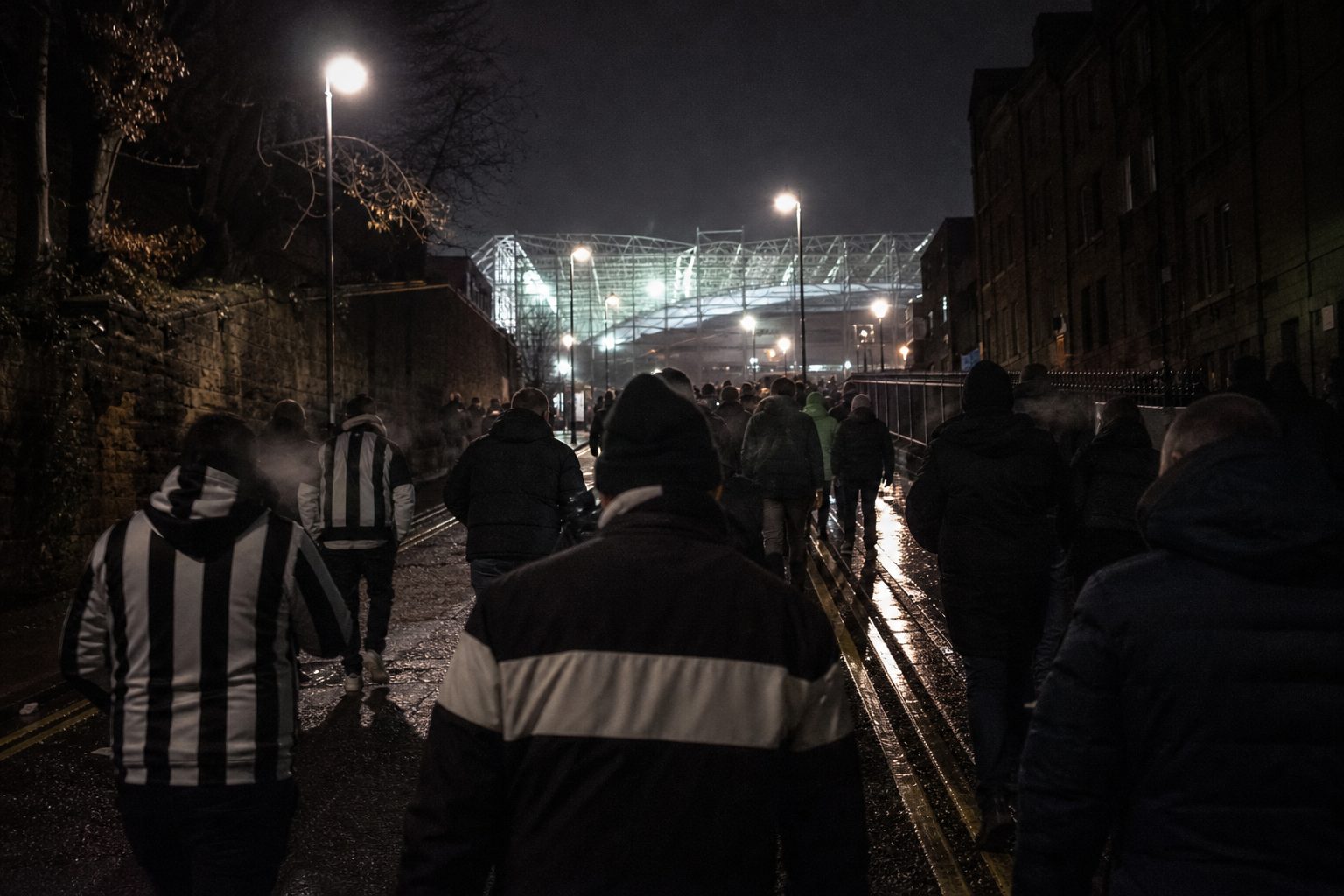
Three days after Hughton's departure Alan Pardew was appointed, to a lukewarm welcome. Weeks later Andy Carroll, the local striker who had become the symbol of the team's revival, was sold to Liverpool for £35 million on the final day of the January window.
To Pardew's credit, Newcastle finished fifth in 2011–12. But the Ashley era kept supplying moments that felt more like satire than football management. In November 2011 St James' Park was renamed the Sports Direct Arena, a decision that was reversed the following year when a new sponsorship deal brought back the old name. Sports Direct advertising remained a fixture around the ground for years.
Hughton, meanwhile, repaired his reputation elsewhere. He took Brighton into the Premier League in 2017 and kept them there, which suggested the Newcastle board's verdict on his experience had been less than wise.
How the story ended
Newcastle were relegated again in 2016. Rafael Benitez brought them straight back, but left in 2019 after his own disagreements with the owner, and supporter protests became a regular feature of matchdays. Ashley finally sold the club in October 2021 to a consortium led by Saudi Arabia's Public Investment Fund, ending fourteen years of ownership.
What followed was a different world. Newcastle reached the Champions League in 2023, and in March 2025 they beat Liverpool 2–1 at Wembley to win the League Cup, their first major domestic trophy since the FA Cup of 1955.
For those who sat through the Ashley years, the December 2010 sacking remains one of the defining images: a manager who had done everything asked of him, dismissed for want of experience.