 ThreeMatchBan
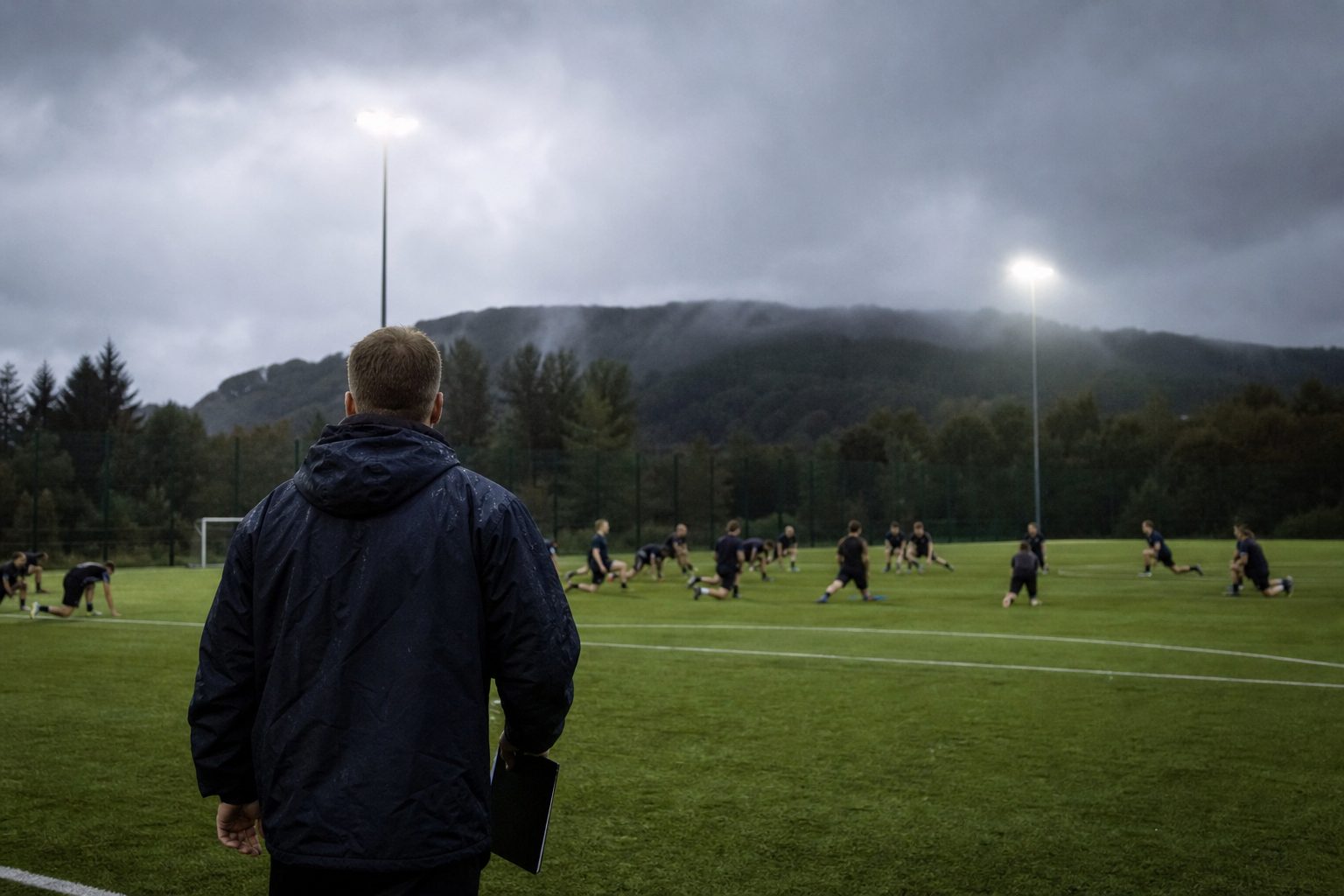
"It has been a little bit of a distraction from the media and so on, but hopefully it calms down," said Shelley Kerr in September 2014. A month earlier she had been appointed manager of Stirling University in the Lowland League, becoming the first woman to take charge of a senior men's team in British football.
The appointment drew headlines far beyond the usual reach of Scotland's fifth tier. Kerr, a former centre-back who won 59 caps for Scotland, had left her job at Arsenal Ladies in June after a 16-month spell in which the Gunners won two FA Cups and a Continental Cup.
A happy coincidence
She had not planned to make the move so soon. Kerr had set up a football consultancy, offering mentoring, scouting, training content and some media work, and had enrolled on an MSc in Sports Management at Stirling. Coaching in the men's game was an ambition, but she knew how hard it would be.
"It is something that I've always had aspirations of being involved in the men's game and I knew it would be very difficult just because I'm a female," she said. "There's such competition out there between a lot of qualified coaches all looking for the same jobs."
The step to the fifth tier of Scottish football came about almost by accident. "I got my own website up and running and I was going to combine my own academic studies with doing a little bit of work through the business," Kerr explained, "and then I heard that the Stirling University were looking for a new coach."
She saw the advert, sent in her CV, was interviewed and got the job. By early September Stirling, who had lost their opening three league fixtures before her arrival, had taken a win and two draws from her first four games in charge.
Credentials and personality
Kerr was one of only four women in the UK to hold a UEFA Pro Licence, according to Sky Sports, and she saw that qualification as a great leveller in a sport still coming to terms with equality. She was equally clear that a badge alone would not open every door.
"Obviously, you have to have the right credentials and it's not just about having the accolade of that coaching licence, it's about your experiences and a lot to do with your personality," she said. She also accepted that not every female coach wanted to work in the men's game, but hoped that her appointment might encourage others who did.
The Clermont precedent
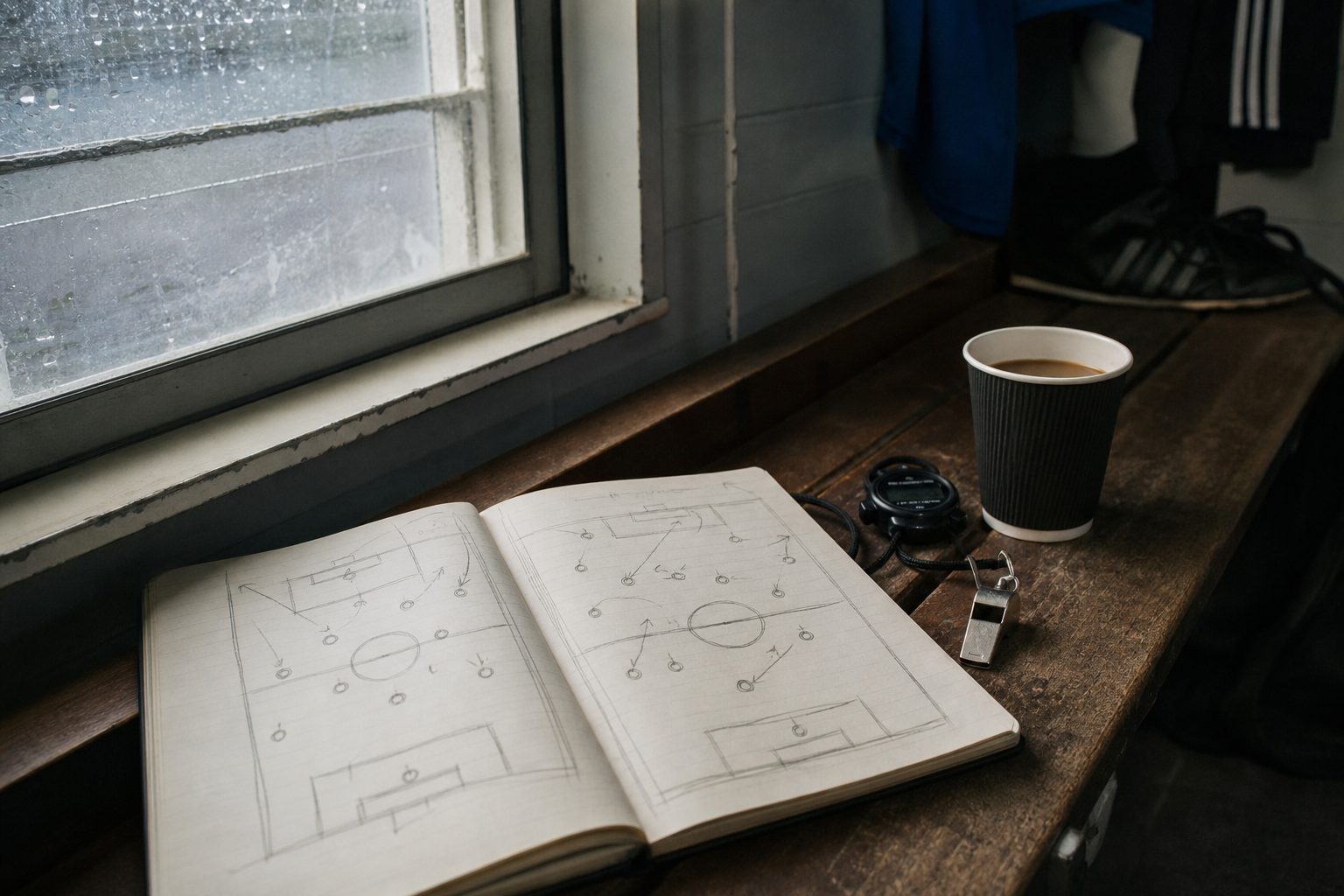
Kerr's move came a few months after a similar breakthrough in France. In May 2014 Ligue 2 club Clermont Foot appointed Helena Costa as the first female head coach of a professional men's team in Europe. The Portuguese coach never took charge of a competitive game. She quit after discovering that players had been signed without her consent, later accusing the club of "total amateurism" and a "lack of respect".
Clermont did not abandon the idea. A month later they gave the job to Corinne Diacre , the former France international, who went on to spend three seasons in charge before leaving in 2017 to manage the France women's national team.
Kerr saw those appointments as a stepping stone. "When you talk about other professions, you've got female and male doctors with the same experience and they do the same job, so why not in football?" she asked. "If someone has the right credentials then I don't think gender should come into it."
What came next
The workload in 2014 was considerable: a master's degree, around 20 hours a week of other work, the consultancy business, coaching in the Lowland League and raising a teenage daughter. Kerr stayed at Stirling until 2017, when she was appointed head coach of the Scotland women's national team.
In that role she led Scotland to their first Women's World Cup, in France in 2019. The tournament ended in heartbreak, a 3–3 draw with Argentina after Scotland had led 3–0 sending them out at the group stage, but qualification alone was a landmark for the women's game north of the border.
The argument she made in 2014 about credentials over gender has become far more common since, helped by the growth of the women's game documented in films such as Den Andra Sporten. Equality in football has many fronts, from the story of Stonewall FC to the windswept pitches of Sunday league football. Kerr's route began with a job advert at a university club, and an application that most people assumed would never be taken seriously.