 ThreeMatchBan
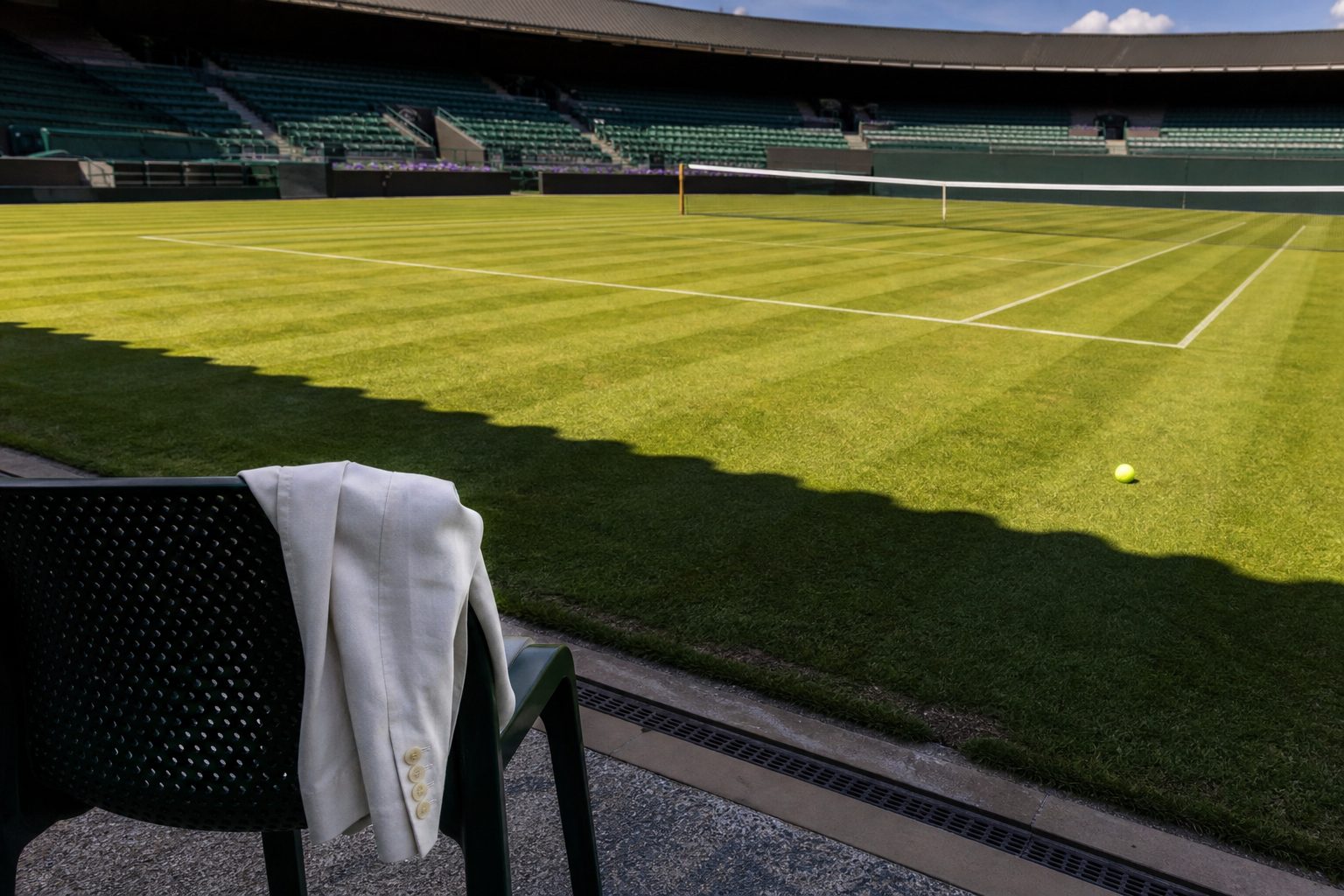
On 5 July 2009 Roger Federer beat Andy Roddick 5–7, 7–6, 7–6, 3–6, 16–14 in a Wimbledon final that lasted more than four hours. The 30-game fifth set was the longest in a men's Grand Slam final, the win was his sixth Wimbledon title and his 15th major, one more than Pete Sampras, who was watching from the Royal Box.
Football fans, being football fans, noticed something else. With the Premier League's new kits arriving in the shops that same month, the tailored, almost military look Federer had adopted at the All England Club bore an uncanny resemblance to the latest Arsenal third shirt. The best tennis player in the world appeared to have dressed for a midweek cup tie in north London.
Tennis gets dressed up
Federer had been turning his Wimbledon appearances into a fashion show for a couple of years. In 2008 he walked out in a cream cardigan; by 2009 the outfits were sharper still, all clean lines and smart trim, a deliberate nod to the gentlemen players of the early 20th century. Wimbledon's rule that competitors wear almost entirely white gave his designers little room, which only made each detail more noticeable.
The same retro instinct was running through football kit design at the time. Manufacturers had discovered that supporters loved a collar, a button placket, a stripe borrowed from a famous old shirt. Every summer launch now came wrapped in references to some heritage season or other.

Pinstripes for everyone
That summer's fondness for pinstripes and smart tailoring drew a sharp reply from one fan, Paul(No1Fan), who suggested that pinstripes should really be reserved for clubs that play close to the City of London, such as West Ham and Millwall, ideally with the goalkeeper in a bowler hat. It was a joke, but not a bad idea for a kit launch.
The bowler hat line had legs. If teams and tennis players were going to dress this smartly, a club-branded accessory for the increasingly fashion-conscious Premier League seemed only a matter of time. Managers would be next, and José Mourinho, then at Inter Milan, would surely have been first in the queue for a tailored touchline coat.
Not every new kit was greeted so warmly. Aston Villa supporters noted that vertical stripes at least had a slimming effect, but the bigger complaint was about value. Replica shirts were not cheap, and a new away kit that changed little more than the collar did not feel like much of a redesign. The one-upmanship of owning the newest shirt was what kept the cycle turning, which is exactly why the manufacturers needed each version to look noticeably different. The credit crunch was biting, and fans were not shy about saying so.
Arsenal and the art of the change kit
Arsenal have always been a good club for kit watchers. The red body with white sleeves introduced by Herbert Chapman in the 1930s is one of the most recognisable designs in football, and the change kits have produced plenty of cult classics: the yellow and blue of the 1971 Double era, the much-loved "bruised banana" away shirt of the early 1990s and the redcurrant shirt worn for the final season at Highbury in 2005–06.
A third shirt sits lower down that pecking order. It is usually worn a handful of times a season, often in Europe, and it is where designers are allowed to take a few risks. That is precisely why the comparison with a Wimbledon champion worked: third kits and Federer's outfits shared the same mission, to look smart and a little different without frightening anyone.
Fans who enjoy that kind of detail can test their eye with the classic football shirt quiz, or compare the summer of 2009 with the Premier League kits of 2012–13. The story of the Arsenal badge is another reminder that what a club wears is never just cloth.
What came next
Federer went on to win Wimbledon again in 2012 and 2017, finishing with eight men's singles titles at the All England Club, a record. He retired in 2022 with 20 Grand Slam titles. Arsenal have released many third shirts since, some forgettable and some instant classics, and replica prices have climbed far beyond what so annoyed supporters in 2009.
And still no Premier League goalkeeper has taken the field in a bowler hat. Paul(No1Fan) may yet be proved right.