 ThreeMatchBan
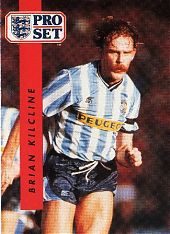
Looking like a wet and disgruntled St Bernard, Brian Kilcline was an imposing figure on any pitch, and anybody who earns the nickname Killer deserves some recognition as an enthusiastic tackler. The Brian Kilcline Coventry supporters still toast is the captain who lifted the FA Cup in 1987, but his career stretched across seven clubs and ended with a spell as a cult hero on Tyneside.
As was the fashion of the time, Kilcline sported a dangerously short pair of shorts and a fantastically bushy moustache, neither of which is a common sight in the Premier League today. There were no pop-star looks and no celebrity styling, just honest, fresh-out-of-bed hair and an obvious desire to play football.
His appearance matched his reputation. Kilcline was a strong, old-fashioned centre-half who headed anything that came near him, and the fact that he looked like a fearless extra from Braveheart was simply a bonus.
Brian Kilcline, Coventry and the 1987 FA Cup
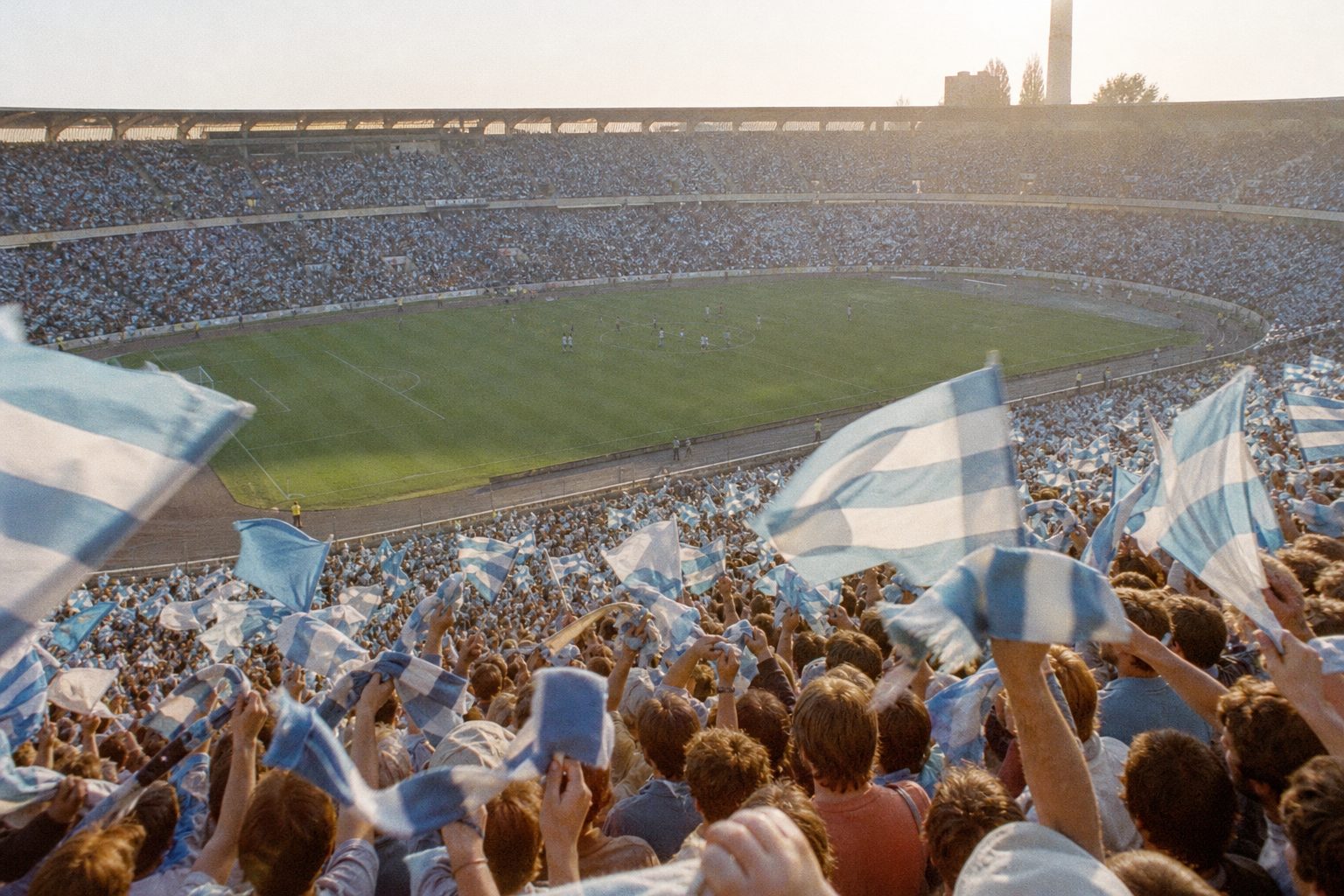
Kilcline arrived at Highfield Road from Notts County in the mid-1980s and became the backbone of a Coventry side better known for escaping relegation than for winning anything. John Sillett and George Curtis changed that in 1986–87. The run to Wembley gathered momentum round by round, and by May the whole city seemed to be wearing sky blue.
The 1987 FA Cup final, played on 16 May against Tottenham Hotspur, is still regarded as one of the best Wembley finals. Spurs had Glenn Hoddle and Chris Waddle, and Clive Allen scored inside two minutes. Dave Bennett equalised, Gary Mabbutt put Tottenham back in front, and Keith Houchen's famous diving header made it 2–2. In extra time a cross deflected off Mabbutt's knee and looped over Ray Clemence for the winner.
An FA Cup winner's medal is the obvious career highlight, but treating it as his only achievement would do him a disservice. Kilcline was a real team player who would always put his body on the line, and the final showed it. In the closing stages he flew into a fully committed tackle on Mabbutt to stop a Spurs attack, injuring himself in the process.
He was substituted, replaced by Graham Rodger. Yet when the whistle went Kilcline still managed to limp up the steps to collect the first and only major trophy in Coventry's history. The picture of the moustached captain hobbling towards the Royal Box is the Brian Kilcline Coventry fans of that generation carry around in their heads.
Behind him that day stood goalkeeper Steve Ogrizovic, another Highfield Road institution, whose career at Coventry ran for far longer than anyone in the 1987 FA Cup side could have predicted. Supporters who fancy testing their memory of Wembley sides can try the FA Cup finalist sticker quiz.
Brian Kilcline at Newcastle
Kilcline left Coventry in 1991 for newly promoted Oldham Athletic, but his stay at Boundary Park was short. In 1992 Kevin Keegan, freshly installed as Newcastle manager with the club in danger of falling into the third tier, signed him and immediately made him club captain.
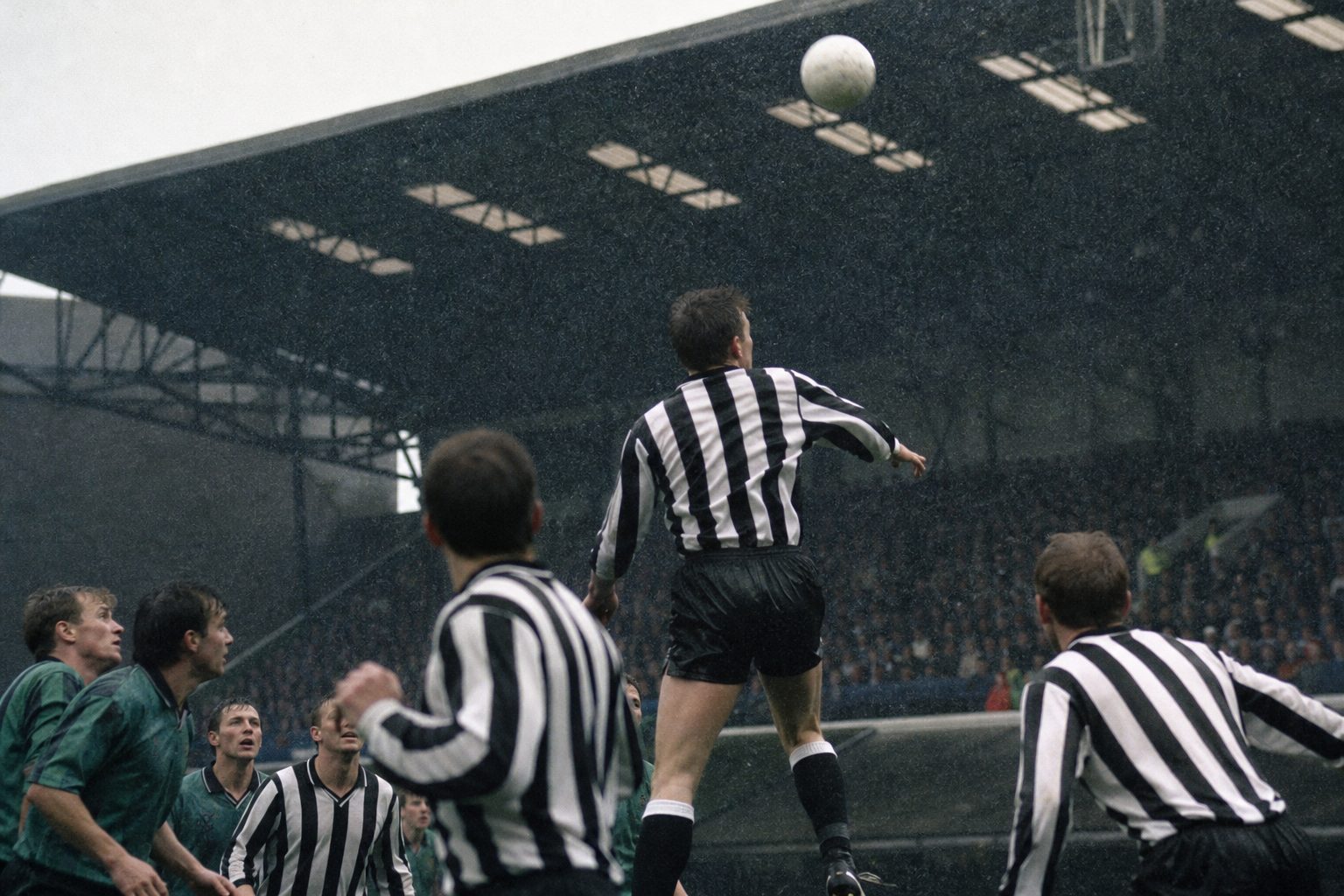
It was an inspired piece of business. Newcastle needed experience and nerve in a relegation fight, and Kilcline provided both. The club survived, and the season after Keegan's side romped to the new First Division title and promotion to the Premier League. The Brian Kilcline Newcastle supporters remember was a dressing-room presence as much as a defender, and his role in that turnaround is often forgotten amid the glamour that followed.
The Premier League brought a different kind of centre-back to St James' Park. As Keegan brought in more cultured defenders such as Darren Peacock, Newcastle judged that Kilcline's services were surplus to requirements. The Brian Kilcline Newcastle chapter was brief, but it came at exactly the moment the club needed him. More on the club sits on the Newcastle United hub.
Career profile: from Notts County to Halifax
Born in Nottinghamshire, Kilcline began his career with Notts County before the move to Coventry made his name. After Coventry came Oldham, Newcastle and then Swindon Town, where he made 17 appearances, followed by Mansfield Town and finally Halifax Town, where he finished his playing days in 1998.
The Halifax years made for a quiet ending. A defender who had started out at Meadow Lane finished well away from the spotlight, still heading clearances and still organising younger team-mates, long after the Wembley medal had gone into a drawer.
It is a typical profile of a footballer of his era. He spent long years at one club, then moved around the divisions as the legs slowed, never earning a fortune and never trying to be anything other than a stopper.
- Notts County: where it all started
- Coventry City: captain and 1987 FA Cup winner
- Oldham Athletic: a short top-flight stint
- Newcastle United: Keegan's first captain, relegation escape and promotion
- Swindon Town, Mansfield Town and Halifax Town: the final years, up to 1998
Why the moustache still matters
Part of Kilcline's enduring appeal is visual. He belongs to a time when footballers looked like the men on the terraces, and a profile of him without the moustache would be like a history of the 1980s without the miners' strike or the Walkman.
The other part is that limp up the Wembley steps. Modern captains lift trophies to a pyrotechnic soundtrack. Kilcline did it with one good leg and a face that suggested he would happily have gone back on to finish the job.