 ThreeMatchBan
Football is full of greatness. Some are born to it, some achieve it, some have it thrust upon them. Then there are the others, the ones who seem to seek out disaster and spend whole careers under its influence. For all its grace and skill, the game is populated mainly by the second group, and supporters love them for it.
Peter Schmeichel redefined goalkeeping in England, yet none of his saves has been replayed as often as Massimo Taibi letting Matt Le Tissier's tame shot squirm through him against Southampton in September 1999. Nwankwo Kanu produced impossible things with a ball at his feet, but the misses from inches out are the clips that raise the widest smiles. Even the photograph of Manchester United's treble winners celebrating in Barcelona in 1999 has its famous scene-stealer: David May, who had not played in the final, beaming at the top of the picture above Beckham, Giggs and Scholes.
The dugout supplies more than its share of these moments. When a season collapses, the manager takes the blame, and the Premier League era has produced some gloriously chaotic tenures. Here are five who worked harder than most to amuse anyone who enjoys a pratfall.
Christian Gross, Tottenham Hotspur, 1997–98
Christian Gross arrived at White Hart Lane in November 1997 and turned up to his first press conference waving a London Underground ticket, announcing that he wanted it to become his "ticket to the dreams". Plenty of observers could already see the stitching coming loose. The Swiss coach was soon presiding over a dismal winter: a home defeat to relegation favourites Crystal Palace, then a 6–1 thrashing by Ruud Gullit's Chelsea at White Hart Lane.
Spurs survived that season reasonably comfortably, which in those days was about all that was demanded, but the club's image took a battering with Gross as its confused and confusing spokesman. Alan Sugar dismissed him in September 1998, blaming the media's mockery for destroying his manager's reputation.
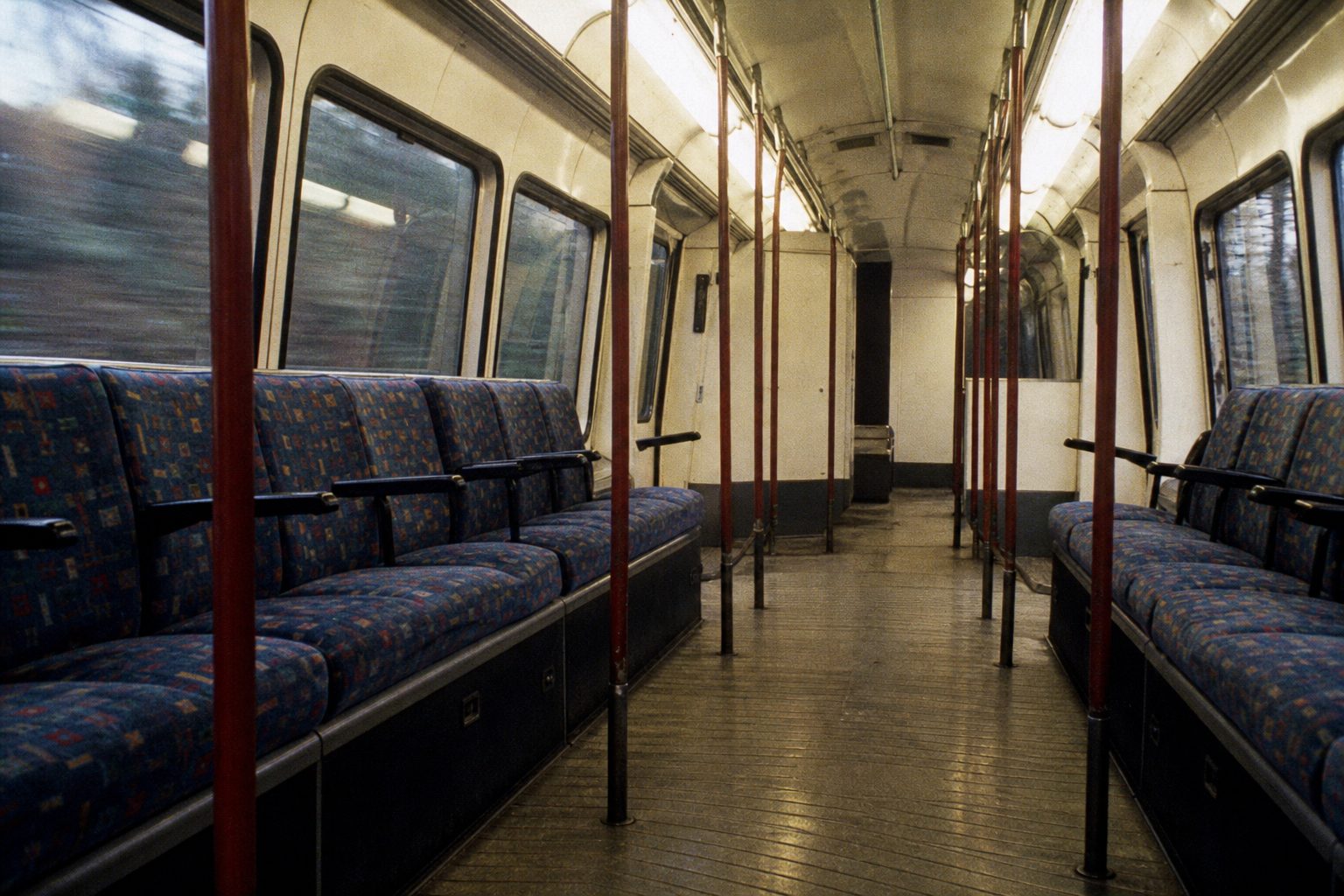
The story has a kinder ending than north London remembers. Back in Switzerland, Gross built the FC Basel side that won several league titles in the 2000s and reached the Champions League second group stage in 2002–03, and he later worked in Germany, Saudi Arabia and Egypt. The Tube ticket, though, is what English football kept.
Alan Shearer, Newcastle United, 2009
It should have been perfect. Tyneside's favourite son, the club's record goalscorer, was called away from the Match of the Day studio in April 2009 to rescue his boyhood club from relegation with eight games left.
Eight games later, after a single win against Middlesbrough, Shearer walked off the Villa Park pitch on the final day of the season with Newcastle relegated, beaten 1–0 by a Damien Duff own goal. He had no previous managerial experience, and the appointment looked more like an act of faith than a plan. The decision to hand him the job with so little time left said more about the chaos inside St James' Park than about Shearer himself.
He went back to the BBC sofa, where he remained a fixture for years. Newcastle went straight back up as Championship winners in 2009–10 under Chris Hughton, which made the episode easier to laugh about on Tyneside.
Mick McCarthy, Sunderland, 2003–06
McCarthy is the outlier on this list, a good manager undone by circumstances. He arrived at Sunderland in March 2003 with the club already sinking under Howard Wilkinson and could not add a single win to the meagre 19 points they finished with. Two years later he had reshaped the side and won the Championship title in 2004–05.
The return to the Premier League was brutal. With almost no money to strengthen the squad, Sunderland managed only a couple of league wins before McCarthy was dismissed in March 2006, and they finished with 15 points, at the time the lowest total in Premier League history. McCarthy's reputation recovered well enough: he later won the Championship again with Wolves in 2008–09 and kept them in the Premier League for two seasons.
Paul Jewell, Derby County, 2007–08
Derby's 15-point record low lasted precisely two seasons. Billy Davies had won promotion through the play-offs in 2007 and left the club in late November, with Derby already adrift and with their only league win of the season, 1–0 against Newcastle United thanks to Kenny Miller, banked back in September.
Paul Jewell inherited the wreckage and did not win a single league match in the rest of the campaign. Derby finished with one win and 11 points, records for futility that still stand at the top level. Arsenal's unbeaten season was a few years old by then, and Derby's season became its mirror image. The winless league run stretched into the following autumn, ending only in September 2008 with a victory over Sheffield United in the Championship.
Jewell, whose earlier work at Bradford City and Wigan Athletic had been genuinely impressive, later had a spell at Ipswich Town that never caught fire.
Chris Hutchings, Bradford City and Wigan Athletic
Remember, remember, the fifth of November. On that date in 2007 Chris Hutchings was sacked as manager of Wigan Athletic, only a few months into the job. Seven years earlier, in November 2000, he had been shown the door at Bradford City.
The symmetry goes further. On both occasions Hutchings had stepped up to replace Paul Jewell, for whom he had long served as assistant, and on both occasions he inherited a club coming off its best spell in generations. Following Jewell once was hard enough. Doing it twice, and lasting only months each time, is the kind of coincidence that makes a pub quiz question write itself.
When the two men compare CVs, they share a bond that no other managerial partnership in English football can quite match. More dugout faces from the same era turn up in the manager sticker quiz, while the managerial churn of the second tier gets its own treatment in 20 changes of management in 10 chaotic Championship months. Shearer's later television work is weighed up in a tale of terrestrial TV tedium.
More writing from the same author can be found on his blog and on Twitter.