 ThreeMatchBan
Everyone roots for the underdog, don't they? Or at the very least, plenty of armchair neutrals have glanced at the Euro 2012 odds and quietly found themselves backing the minnow.
The appeal is easy to understand. The underdog has a charm the all-conquering giant cannot match, because its football feels closer to the game played in parks across the country than the neat, logical and sometimes bewilderingly brilliant football of the favourites. Watching the giants is fun. Watching the giants get caught out by a side that should not be on the same pitch is better.
A perfect mismatch on paper
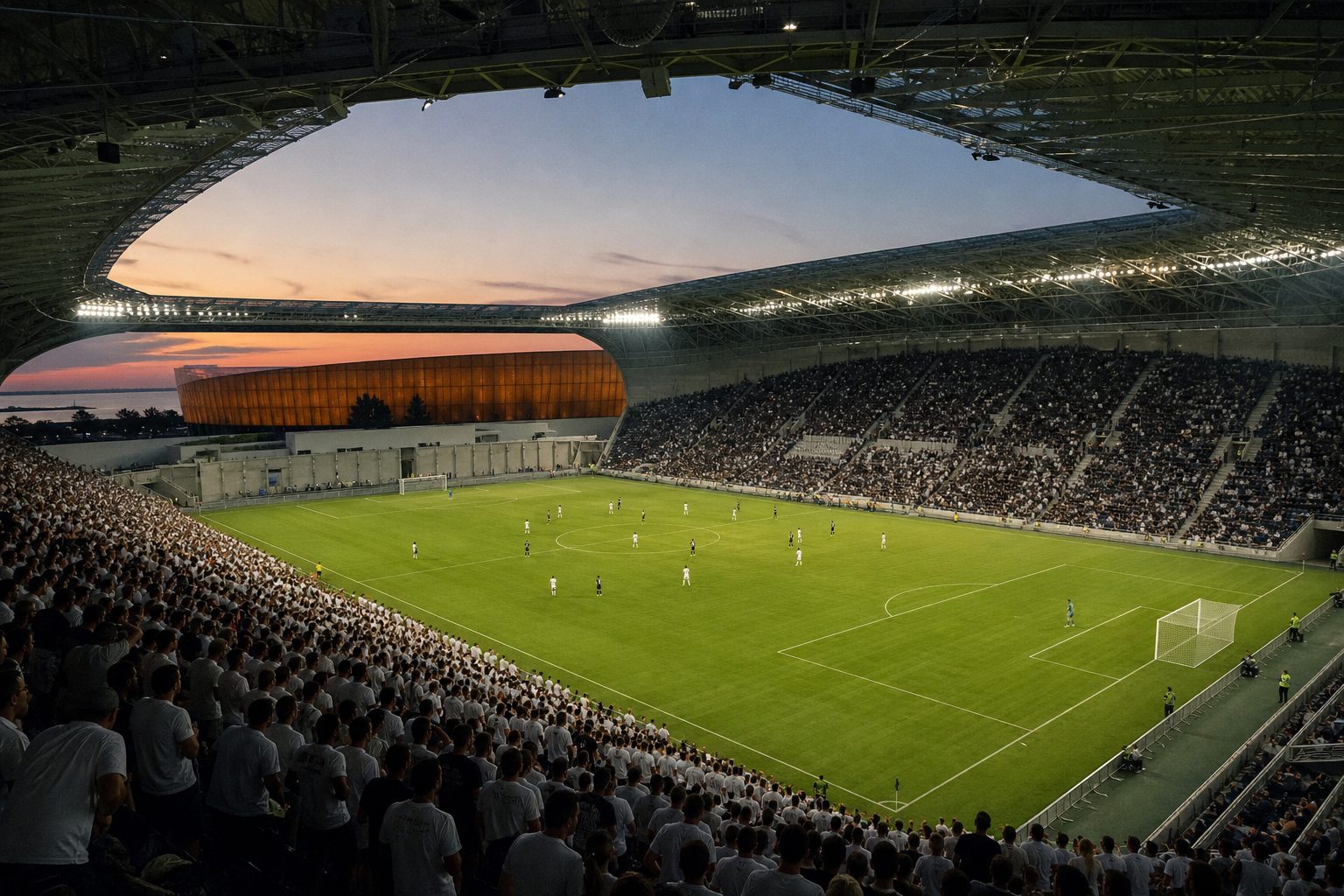
On that basis, the Euro 2012 quarter-final between Greece and Germany in Gdańsk on 22 June should have been irresistible. On one side, a battling, unfashionable Greek team who had scraped out of their group. On the other, Joachim Löw's Germany, efficient, fluid in attack and among the strong favourites for the title.
The politics added another layer. Greece were deep in a debt crisis, Germany was the largest contributor to the bailouts that kept Athens afloat, and talk of the country leaving the eurozone filled the news. Commentators could hardly resist the storyline.
Yet for many neutrals the tie prompted little more than a shrug. The reason lay with Greece themselves.
The ghost of 2004
Greece had played the heroic underdog many times in the preceding decade, never more famously than at Euro 2004, when Otto Rehhagel's side won the whole tournament through rigid defending and the head of Angelos Charisteas, who scored the only goal of the final against hosts Portugal in Lisbon. It remains one of the great shocks in international football.
It was also a template. Greek sides since then had leaned on the same formula: defend deep, stay compact and wait for a set piece or a counter-attack.
At Euro 2012 they did it again against Dick Advocaat's Russia. The Russians had breezed through their opening game, thrashing the Czech Republic 4–1, but in the final group match they were ambushed by a goal from captain Giorgos Karagounis just before half-time and a Greek side perfectly willing to sit on the slimmest of leads. Greece went through; Russia went home.
Why the charm wore off
That success had a side effect. It created an expectation of Greece as the tournament's populist underdog, the nation routinely tipped as a surprise package, without any of the qualities that usually make underdogs lovable.
Compare them with the great adopted teams of the past. Cameroon at the 1990 World Cup beat Argentina in the opening match and played with a joyous attacking spirit all the way to the quarter-finals. South Korea at the 2002 World Cup ran on unfettered enthusiasm all the way to the semi-finals. Wimbledon's win over Liverpool in the 1988 FA Cup final, settled by a Lawrie Sanchez header, had energy and snarl, and Dave Beasant's penalty save from John Aldridge made the afternoon unforgettable.
Those teams were thrilling. Greece, by contrast, offered little to the neutral beyond organisation. For the quarter-final they would not even have Karagounis, their talismanic captain, who had picked up a second yellow card of the tournament against Russia for what the referee judged to be a dive.
None of this is a criticism of the players. Quietly productive and well organised, they were a credit to themselves and their supporters, and their coach, Fernando Santos, knew exactly how to get the most out of a limited squad. Santos would go on to win Euro 2016 with his native Portugal using a similarly pragmatic approach, which says plenty about whether neutrals' affection is the right measure of success.
Gdańsk, and the end of the road
As it turned out, Germany won 4–2. Greece briefly equalised early in the second half through Giorgos Samaras and pulled one back late from the penalty spot, but the gap in quality was obvious. Germany were knocked out in the semi-finals by Italy, and Spain went on to win the tournament, beating Italy 4–0 in the final in Kyiv.
The European Championship has since expanded, a change that some feared would dilute the tournament (a debate explored in the death of the European Championships in their old form). The studio coverage that summer also had its moments, reviewed in the piece on ITV's Euro 2012 studio. Classic tournament kits feature in the European Championship shirt quiz.
Underdogs need more than a low ranking to win hearts. They need a little swagger. In Gdańsk, the temptation to root for Greece was there for every neutral, but it was hard to go Greek when the football offered so little in return.
Please gamble responsibly. GambleAware.org 18+