 ThreeMatchBan
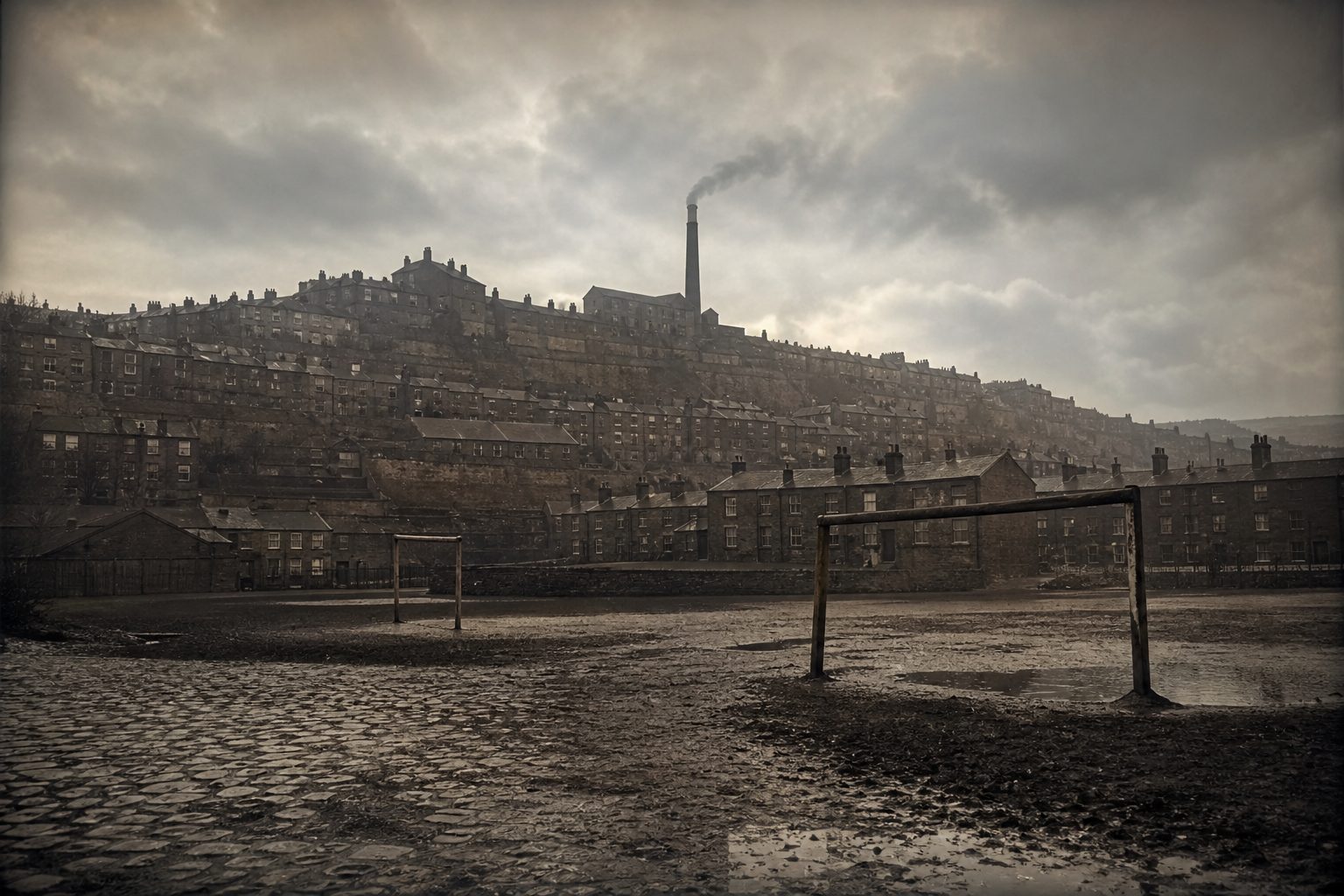
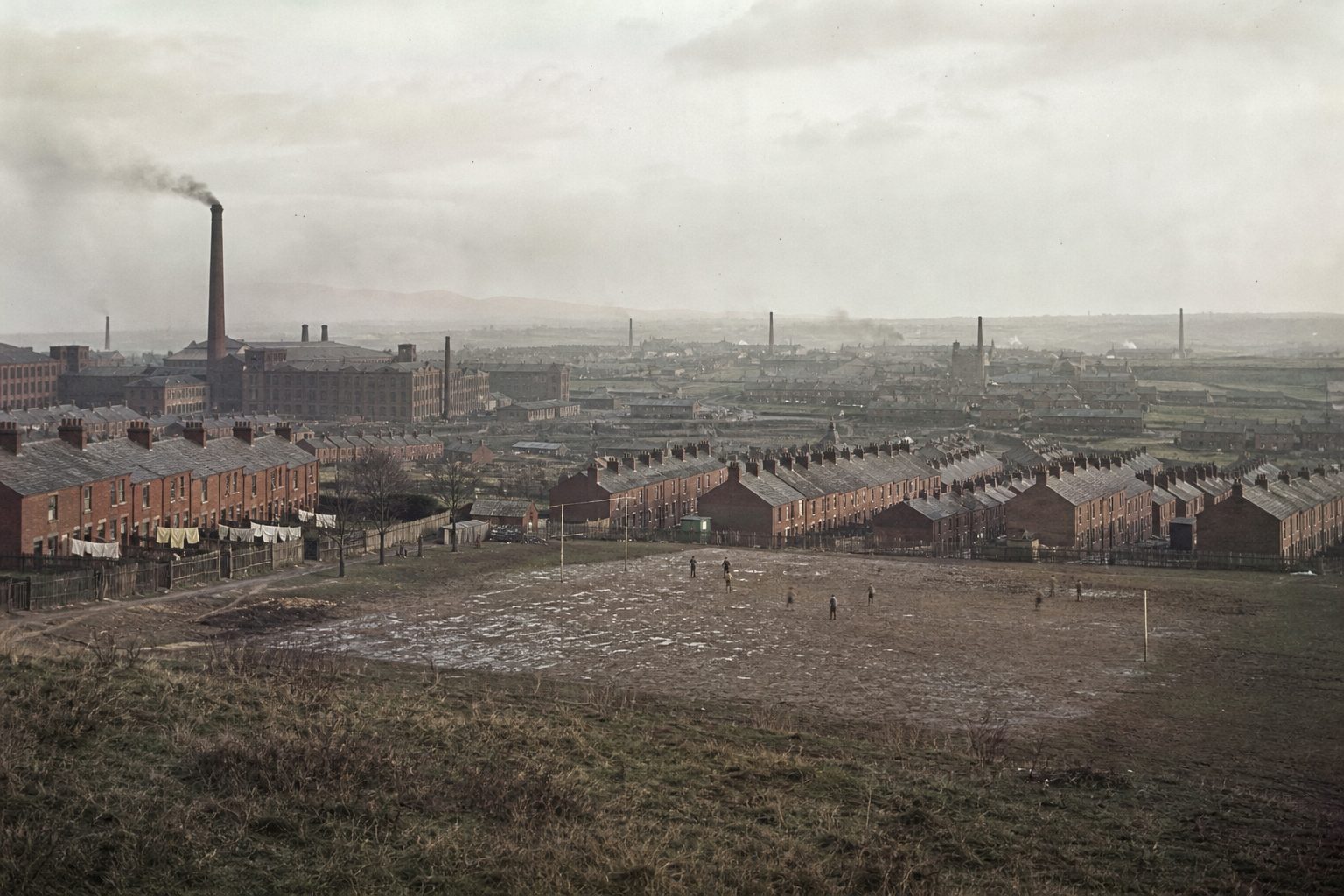
Darwen FC history starts in a cotton town on the edge of the West Pennine Moors, and it ends up somewhere far bigger: at the moment English football stopped being a hobby for the well-off and became a job. In the 1870s the game belonged to public schools, universities and army officers. A team of mill workers from Lancashire helped change that, and paid a heavy price for being first.
Darwen FC and a game owned by the gentry
For the first decade of the FA Cup, which began in 1871–72, the trophy stayed in the south. Wanderers, Old Etonians, Royal Engineers, Oxford University and Old Carthusians were the names on the honours board, sides made up of men who did not need to clock on for a shift on a Monday morning.
The only serious challenge came from Scotland. Queen's Park of Glasgow entered the early competitions but could barely afford the trains to London, and in the first seasons they had to withdraw rather than pay for repeated trips south. When they finally reached the finals of 1884 and 1885, with a short passing game that was far ahead of the English dribbling style, they lost both times to Blackburn Rovers, Darwen's neighbours and fiercest rivals.
That Scottish way of playing, where the ball was moved between team-mates instead of being carried forward by one man until he lost it, had already caught the eye in Lancashire. The men running Darwen FC, Mr J.C. Ashton and the three sons of cotton-mill owner Nathaniel Walsh, wanted a piece of it.
Fergus Suter and the start of professional football
The chance arrived on New Year's Day, 1878, when Partick visited Darwen. Lining up at full-back for the Glasgow side was Fergus Suter, alongside his team-mate James Love. Both impressed the Darwen committee enough that the club set about bringing them south.
There was a problem. The game was fiercely amateur, and a club could not simply buy a player or put him on wages. So Darwen did what many clubs would quietly do over the following years: it offered the pair work away from the pitch. Love's story is hard to trace. Suter's is not.
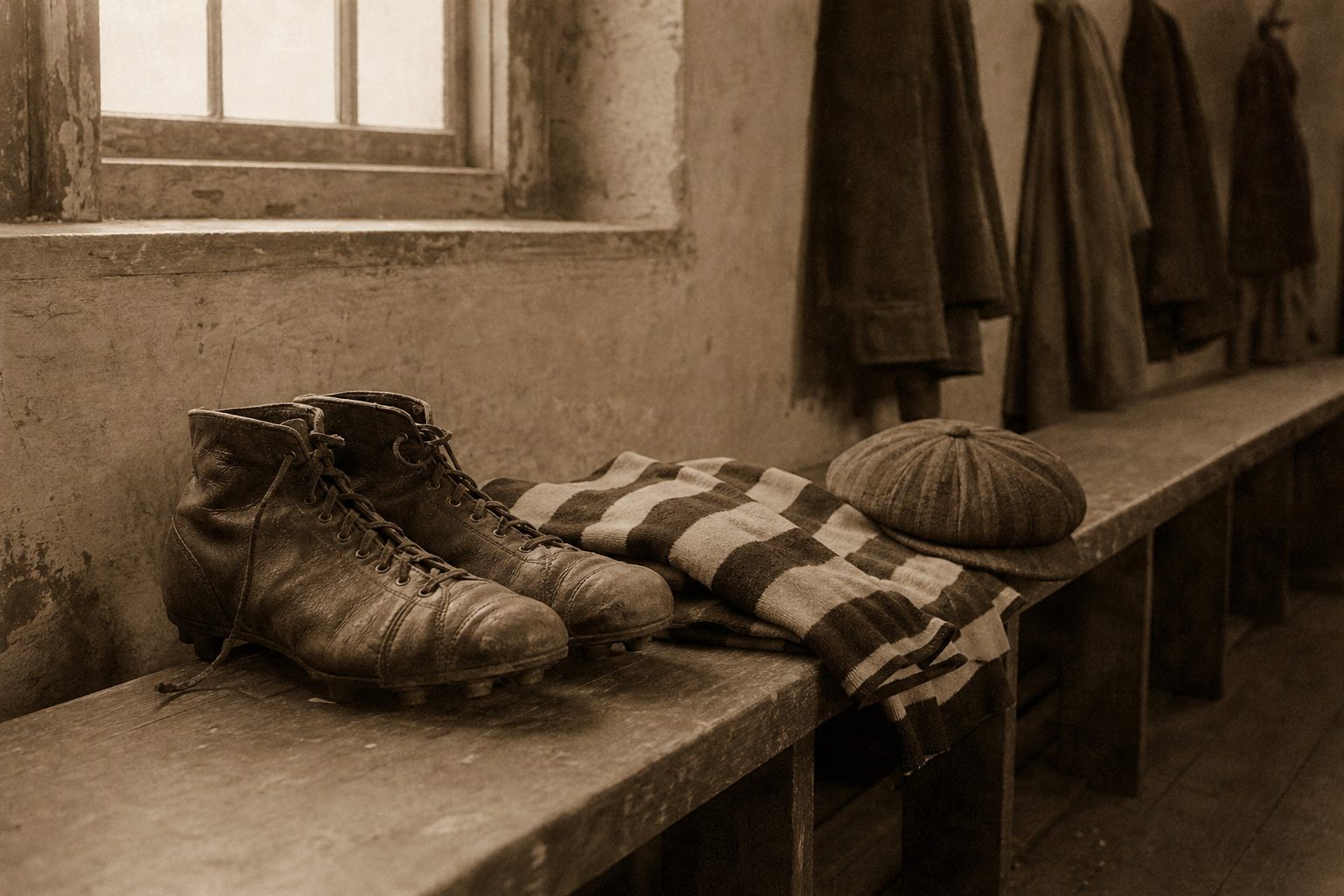
Suter was a stonemason in Scotland. Not long after arriving in Lancashire he gave up his trade, saying he could not work with the local stone. Few people believed that was the whole reason, and the suspicion that he was being paid to play has followed him ever since. That is why he is so often named as the first professional footballer, years before professional football was allowed.
He did not look the part of a defender. Suter was slight and thin-faced, with a carefully kept moustache and a slick side parting of the kind that survived in English team photographs for another eighty years, as the champions of 1958–59 show. His size did not matter. His influence on the Darwen side was said to be enormous.
The 1879 FA Cup run against the Old Etonians
Darwen never admitted that Suter and Love were anything other than amateurs, and the bluff paid off in 1878–79. The club reached the FA Cup quarter-final, a landmark for a working-class side, and was drawn against the Old Etonians, the eventual winners.
The northerners turned up in London looking nothing like their hosts: trousers cut off at the knee, shorts that did not match and, in a few cases, braces. The crowd found it very funny. Then Darwen scored four times in the last fifteen minutes to draw 5–5.
The rules said the replay had to be played in London again. The trip cost the club around £175, a fortune for a mill-town side, and the money was raised mostly by public subscription in the town, with £5 coming from the Old Etonians themselves. The replay finished 2–2. Darwen asked for the third game to be staged in Lancashire and were refused, so an exhausted team went south once more in 1879 and lost 6–2. Most of the players had worked full shifts in the mills between matches.
The defeat hardly mattered. Newspapers across the country followed the three games, and the tie became a bridge between the amateur football of the gentlemen's clubs and the professional football that was coming whether the authorities liked it or not. The cup itself still produces that kind of story, as the early rounds of the FA Cup show every autumn.
Blackburn, Suter's switch and the slow decline
In the autumn of 1879 Darwen went out in the second round to Blackburn Rovers. Derbies between the two often ended in fights over the doubtful amateur status of some of the Darreners, as Darwen people call themselves. Blackburn's complaints became harder to make a year later, when Rovers took Suter for themselves.
Darwen kept improving for one more season. In 1880–81 they beat Romford 15–0 and reached the FA Cup semi-final, where they lost 4–1 to Old Carthusians, who went on to lift the trophy. It was the peak of the club's achievements.
The trend Darwen had started spread quickly. Players were turning up at clubs across Lancashire with jobs that existed mainly on paper, and the authorities could no longer pretend otherwise. In 1885 the FA legalised professional football. The Football League followed in 1888, and Darwen missed out on a place among the founding twelve by a single vote, beaten by another local rival, Accrington.
Darwen spent three seasons in the Football Alliance instead and joined the Football League in 1891, finishing bottom of a division full of names that still play league football today, more than half of them in the top flight. The club dropped into the new Second Division, won its way back up after the 1892–93 season, and was relegated again after one year. A run of mediocre seasons ended in 1898–99 with Darwen dropping out of the league. The committee did not apply for re-election, and one of the pioneering clubs of English football faded from view.
Darwen FC history: what the club left behind
Suter finished his career at Blackburn in 1889, having helped Rovers win three FA Cup finals in a row between 1884 and 1886. Blackburn are still a big name. Darwen FC carried on in Lancashire non-league football for more than a century before folding in 2009, and AFC Darwen now plays at the old Anchor Ground.
So how should Darwen FC history judge Suter? Either he cleared the path for working men to earn a living from the game, or he started the long road to the agents and fees that fans grumble about now. Football has argued about money and loyalty ever since, and so do people who give up their weekends to the game without being paid a penny. Probably both views are fair.
The Blackburn team photograph of 1884 is worth a long look: flat leather-soled shoes, outstanding moustaches, one player in the front row gazing at the lens with real devotion, and a manager dressed like a wild-west gold prospector. More team photographs of Darwen sides from the turn of the century to the present day can be found here.