 ThreeMatchBan
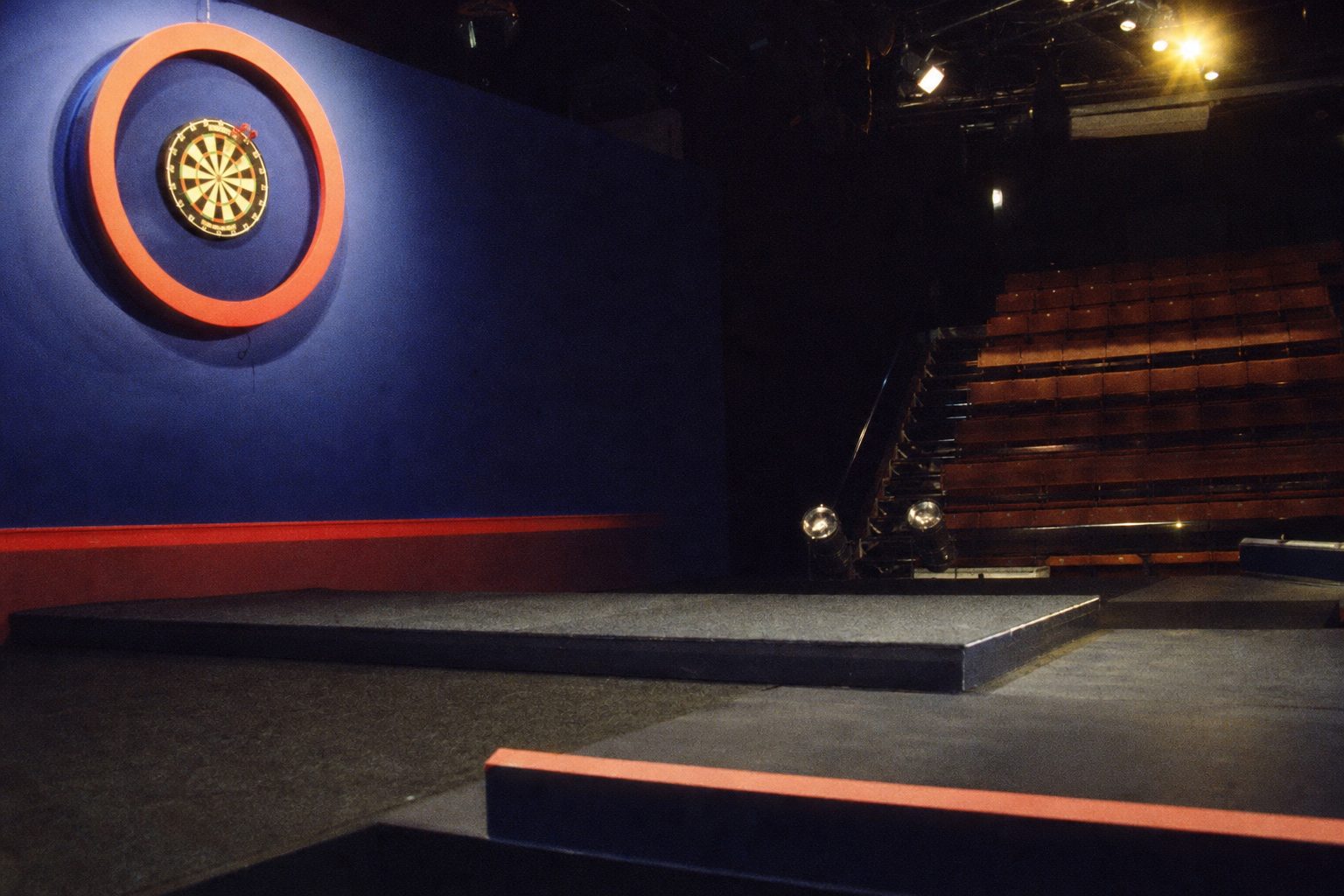
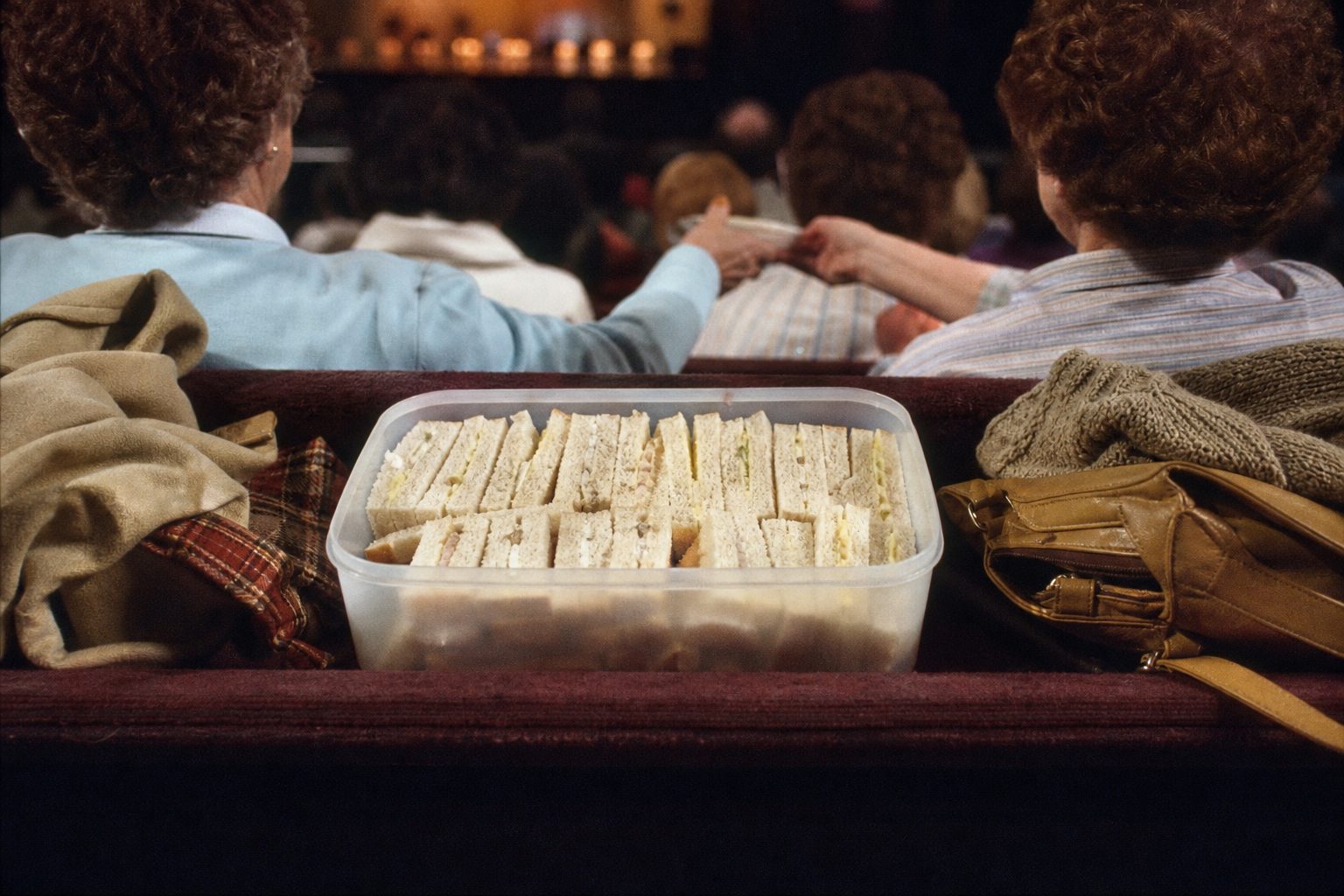
George Best lobs the arrows for charity. Jim Bowen does a piece to camera. And behind him, quite unbothered by either, members of the studio audience pass along a large plastic box of sandwiches.
It is a small clip and an entirely British one, the kind of thing only Saturday-teatime television could produce, and it was dug out and shared by @lukewilliams84.
Bullseye
Bullseye ran on ITV from 1981 to 1995 and became one of the most loved game shows of its era. Contestants answered general knowledge questions by throwing darts at a board, and the host, Jim Bowen, a former teacher who had come through the northern comedy clubs, held it together with catchphrases that outlived the programme: super, smashing, great.
The mascot was Bully, a cartoon bull. The scorer was Tony Green, a familiar voice from the darts on BBC. The prizes ranged from tankards to speedboats, and at the end of each show the losing pair were shown what they could have won, a moment Bowen delivered with real sympathy and some relish.
The show also made room for charity throws, which is how a footballer could end up at the oche with a camera on him. Darts was booming on British television in the early 1980s, the era of Eric Bristow and Jocky Wilson, and a famous guest made the slot even more watchable.
The footballer at the oche
Few famous guests were more famous than George Best. Born in Belfast in 1946, he joined Manchester United as a teenager and made his debut in 1963. Within a few years he was the most talked-about player in Britain.
He won the league with United in 1964–65 and again in 1966–67. In May 1968 he scored in extra time as United beat Benfica 4–1 at Wembley to become the first English club to win the European Cup, ten years after the Munich air disaster. Later that year he was named European Footballer of the Year. In February 1970 he scored six times in an FA Cup tie at Northampton Town, an 8–2 win, in what was supposed to be his comeback from a suspension.
He left United in 1974, still only in his late twenties, and the rest of his career was spent moving: Stockport County, Fulham alongside Rodney Marsh and Bobby Moore, the Los Angeles Aztecs and other clubs in the North American Soccer League, Hibernian, and Bournemouth near the very end. He won 37 caps for Northern Ireland but never played at a major tournament.
The club he left was changing too, on the pitch and off it, and the way its crest evolved through and after his era is traced in the history of the Manchester United badge.
Football on Saturday teatime television
By the time Bullseye was on air, retired footballers had become regulars across British light entertainment. They opened supermarkets, sat on quiz panels and turned up on Saturday afternoon sport. The golden age of The Big Match on ITV had made football part of the weekend schedule, and later, ITV’s Saint and Greavsie showed how much warmth two former players could bring to a studio.
Best moved through that world easily. He was funny, quick and, despite everything written about him, often very good company on screen.
He died in November 2005, aged 59. A year later Belfast City Airport was renamed in his honour.
Why the sandwiches matter
What makes the clip, though, is not Best and not even Bowen. It is the audience behind them, quietly getting on with lunch. Television is rarely that honest now. Studios are lit, cleared and managed, and nobody brings a packed lunch.
Somewhere in an ITV studio in the 1980s, a box of sandwiches went down a row of seats while one of the finest footballers of all time tried to hit treble twenty. Nobody in the row looks up.