 ThreeMatchBan
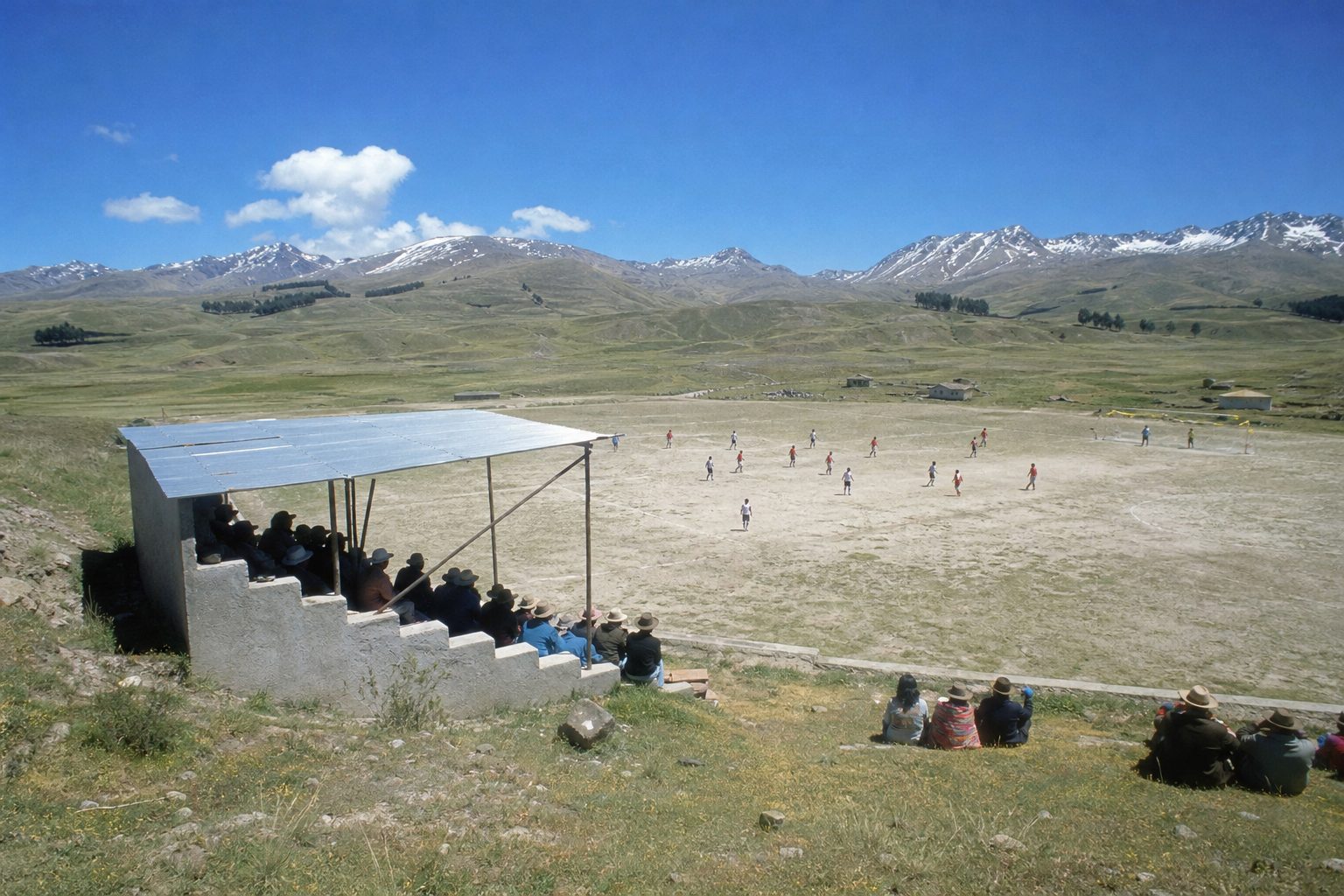
Deportivo Wanka is a club from Huancayo, a city in the central Andes of Peru, and its name has nothing to do with English slang and everything to do with local history. The Wanka (or Huanca) people farmed the Mantaro Valley long before the Inca Empire arrived in the fifteenth century, and the region still carries their identity with pride. When a new football club was formed in Huancayo in 1996, choosing the name of the valley's original inhabitants was a statement of where it came from.
It is easy for English-speaking fans to smirk at the name. Peruvians do not, and they are right.
Football in Huancayo and the Mantaro Valley
Huancayo sits at well over 3,000 metres above sea level, a busy market city several hours by road from Lima across some of the highest passes on the continent. Peruvian football has always been heavily centred on the capital, where Alianza Lima, Universitario and Sporting Cristal have taken the lion's share of national titles. Provincial clubs from the Andes have long had to fight for attention, money and players, and they have one weapon the Lima clubs do not: the thin air.
Visiting players arriving from the coast routinely complain of heavy legs, headaches and a ball that flies further and faster than they expect. The effect is real enough that FIFA tried in 2007 to stop international matches being played at high altitude, before backing down after protests from the Andean nations. Clubs like Deportivo Wanka built their home record on it.
A short spell among Peru's elite
Deportivo Wanka climbed into the Primera División, Peru's top flight, within a decade of its foundation. It was a period when a club from Huancayo could host the giants of Lima in front of a crowd that wanted nothing more than to see them suffer in the altitude. The spell did not last. Wanka were relegated from the Primera División in 2004, and what followed was more unusual than a simple drop.
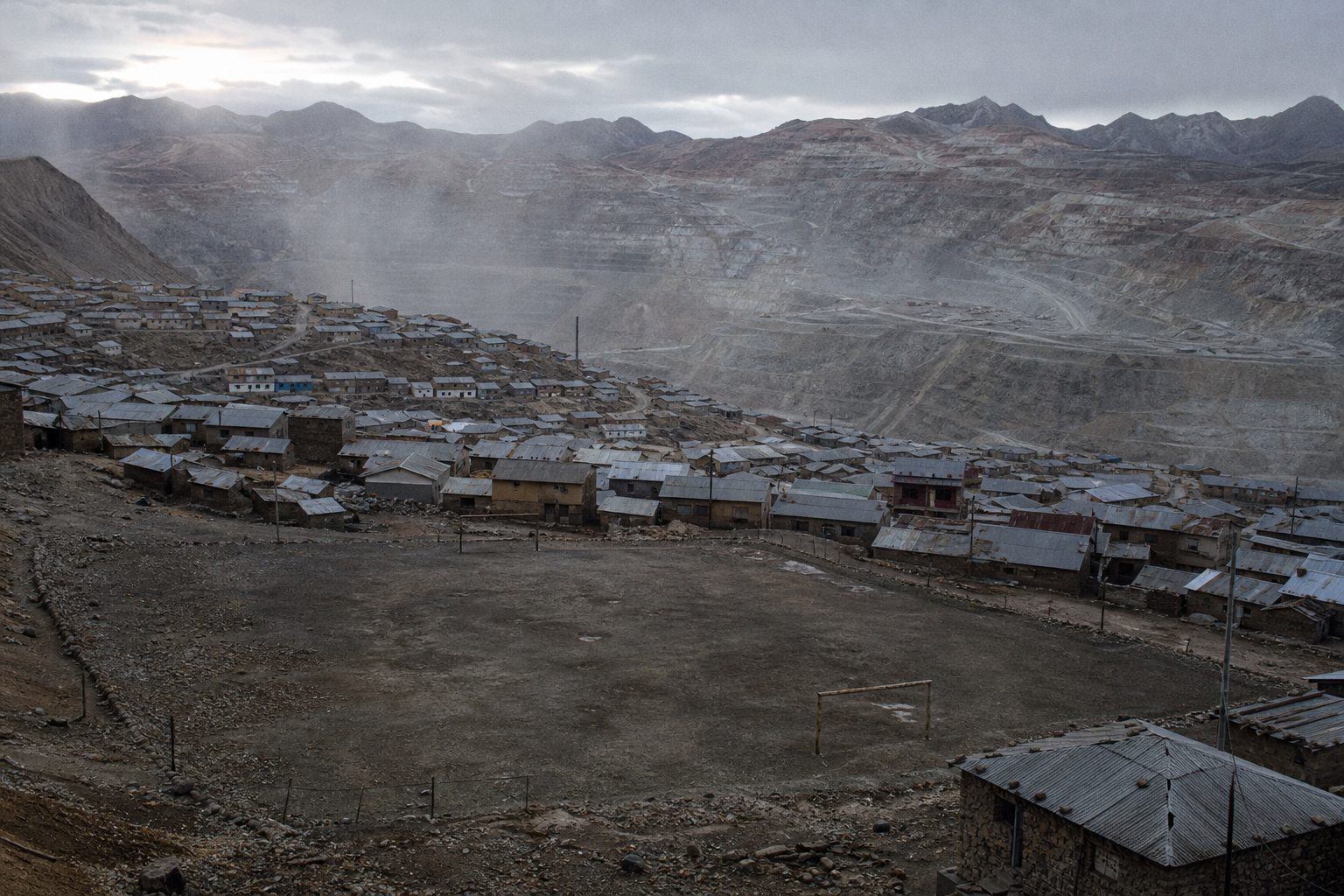
The club moved its home base to Cerro de Pasco, a town that stands around 4,300 metres above sea level and ranks among the highest cities in the world. Cerro de Pasco is built around an enormous open-pit excavation, and the conditions there are punishing even for those who live in them. The move did not work out: Deportivo Wanka were suspended from all league competition, and the club that had briefly carried the name of the Mantaro Valley into the national league faded from view.
Today Huancayo's flag in Peruvian football is carried mainly by Sport Huancayo, a younger club that reached the top division in the late 2000s. The city's appetite for the game never went away; it simply found a new club to follow.
Why the name still travels
Outside Peru, Deportivo Wanka has become one of those names that circulates on lists of unusual team names, usually shared for a cheap laugh. That says more about English vocabulary than about the club. Football is full of names rooted in the history of a place: Athletic Club in Bilbao, Pachuca in Mexico, Cobreloa in Chile (named after the copper of the Loa region). Wanka belongs in that company, a club that took the oldest name its valley had and wore it on its shirts.
The wider story of Peruvian football deserves more attention than it gets in Britain too. This is the country that produced Teófilo Cubillas, the attacking midfielder who scored five goals at the 1970 World Cup and five more in 1978, and whose national team won the Copa América in 1939 and 1975. Peru's return to the World Cup in 2018, after a gap of 36 years, brought tens of thousands of fans to Russia.
More on Deportivo Wanka
The club takes top billing in a light-hearted round-up of the best team names in world football, which also covers its relegation in 2004 and the move to Cerro de Pasco alongside clubs from Switzerland and beyond. For the state of the Peruvian national team, the guide to the 2011 Copa América under-achievers, Colombia and Peru sets out the squad that went on to finish third in Argentina that summer. Cubillas features on the list of supremely gifted players from smaller football nations in the piece on great players you have probably never heard of. And the smallest teams at that same tournament get their turn in the Copa América guide to the minnows, Bolivia and Venezuela, two more nations used to playing in conditions visitors dread.