 ThreeMatchBan
Some club names carry around the world. Manchester United, Chelsea and Barcelona are recognised far beyond their own borders, built on decades of trophies and the image that comes with lifting them. Their names, though, are about as exciting as a postcode: a city, sometimes a district, occasionally a word like "United" or "City" bolted on for good measure.
Plenty of smaller clubs do far better. Here are five whose names are a step ahead of their more illustrious rivals, plus a short detour into the corporate side of football naming.
Deportivo Wanka and the heights of the Andes
Founded in 1996, Deportivo Wanka come from Huancayo in the Peruvian Andes and take their name from the Wanka people who once inhabited the region. The name is entirely respectable at home. Translated into British playground English, it becomes something else.
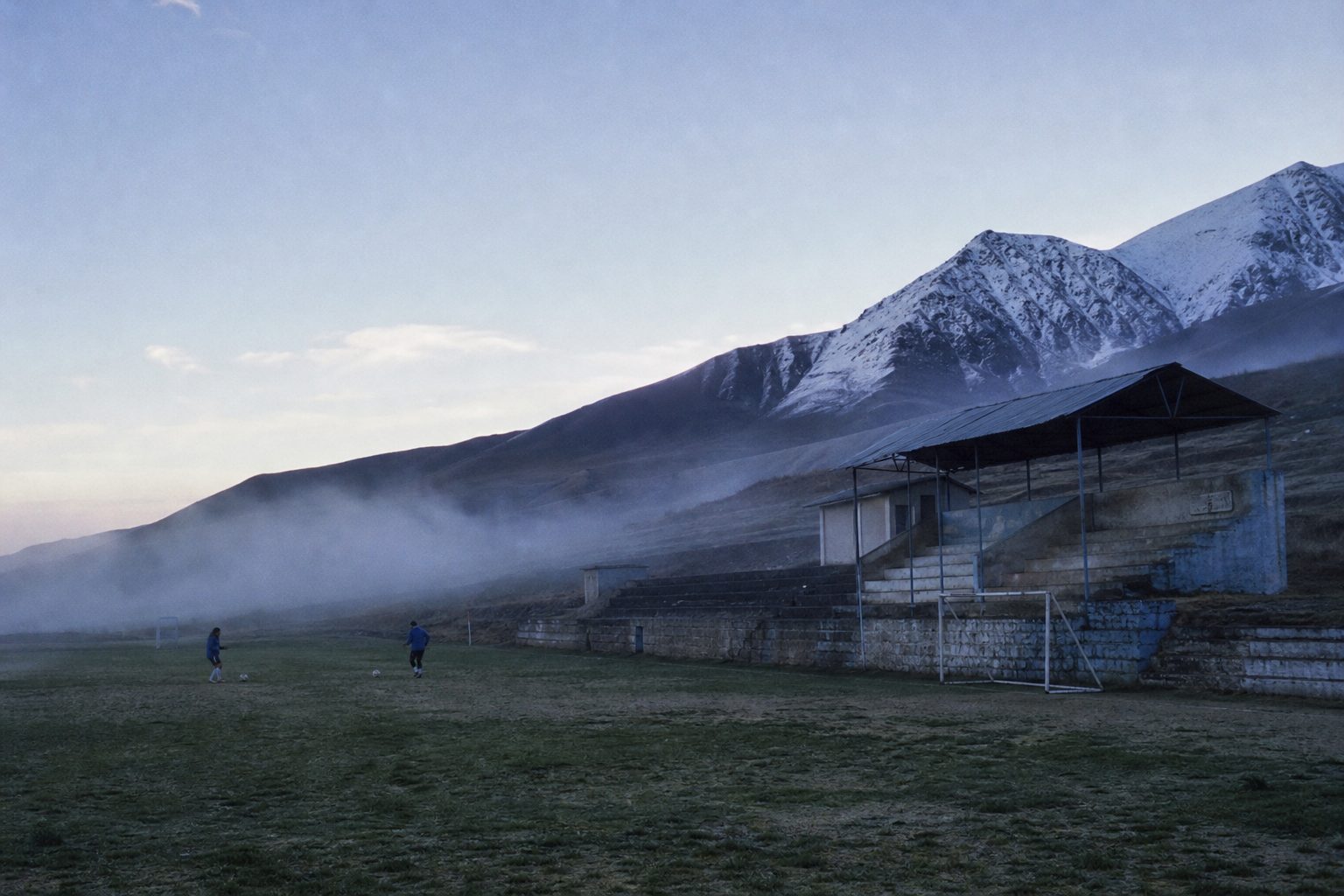
The club's top-flight life was short. They were relegated from the Peruvian Primera División in 2004 and later suspended from league competition after moving their base to Cerro de Pasco, a mining town that sits roughly 4,300 metres above sea level, high enough to leave visiting players gasping before kick-off. Football at that altitude has always been a talking point in South America, and Cerro de Pasco is one of the highest inhabited towns on the continent.
The history matters less to a British reader than the nickname, which completes the set: Los Wankeros. There is a small collection of pieces on Deportivo Wanka for anyone who wants more.
BSC Young Boys and the Wankdorf
The Swiss side play at the Stade de Suisse, built on the site of the old Wankdorf Stadium in Bern, where West Germany beat Hungary in the 1954 World Cup final. The new ground was completed in July 2005 and is still widely known as the Wankdorf, which means Young Boys can genuinely be described as playing their home games at Wankdorf.
In 2012 their honours board looked dusty. The last major trophy had been the Swiss Cup in 1987, and ten years after that the club were relegated to the second tier. The supporters could only hope the team would eventually grow from boys into men.
They did. Young Boys won the Swiss title in 2018, their first championship since 1986, and followed it with three more in a row, becoming the dominant side in the country and a regular in European competition. The name still raises a smile abroad, but nobody in Bern is laughing at the results.
Arsenal, named after a stock of weapons
Almost every club in the English Football League carries its town or city in its name. Arsenal are the obvious exception, named instead after a store of weapons. The club was founded in late 1886 by workers at the Woolwich Arsenal armaments factory in south-east London, and the Woolwich was dropped soon after the move north to Highbury in 1913.
When the original list was drawn up in the summer of 2012, Arsenal had gone seven years without a trophy since the 2005 FA Cup, and you would not have found long odds at bwin on a return to winning ways. The wait finally ended with the FA Cup in 2014, and a run of further cup wins followed. More on the club sits in the Arsenal section.
Fotballaget Fart, kicking up a stink since 1934
Fotballaget Fart play their home games at the Fartbana, in Vang near Hamar in southern Norway, and have been raising eyebrows among English speakers since their formation in 1934. In Norwegian "fart" simply means speed, which makes the name a perfectly sensible choice for a football club. It does not travel well.
The women's team have been the club's real success story. They were promoted to the Toppserien, Norway's top division, in 2011, having previously played there three years earlier. The men's side were far less potent, lingering in the fifth tier at the time.
Short and memorable, though.
Thailand Tobacco Monopoly and the corporate names
Tobacco and football have a long and uncomfortable relationship. Even the great Stanley Matthews promoted Craven 'A' cigarettes in 1952, an advert that looks extraordinary today. A club named after the whole concept of one company controlling the tobacco trade without competition is a different matter entirely.
Thailand Tobacco Monopoly FC eventually decided their original name was a health hazard. In 2009 the club became TTM Samut Sakhon FC, then by the end of the year TTM Phichit after relocating to the northern province, before returning to Chiang Mai and adopting the name TTM Chiangmai FC. Outside Thailand, hardly anyone remembers the later versions.
Corporate names are more common in European football than British fans sometimes realise. Bayer Leverkusen were formed in 1904 by workers at the Bayer pharmaceutical company, and PSV Eindhoven are, in full, the Philips Sport Vereniging, the sports club of the electronics giant. Both have won major European trophies under those names. Neither has quite the same honesty as a club that simply called itself a monopoly.
The prize for the best name in Britain is still open to debate, though Queen of the South, from Dumfries, have been introduced for decades as the only football club mentioned in the Bible, a joke that no amount of league football has managed to wear out.
Please gamble responsibly. GambleAware.org 18+